The Radical James Baldwin
James Baldwin was many things: a brilliant writer, a trenchant social critic, a dogged activist. He was also an unapologetic radical.
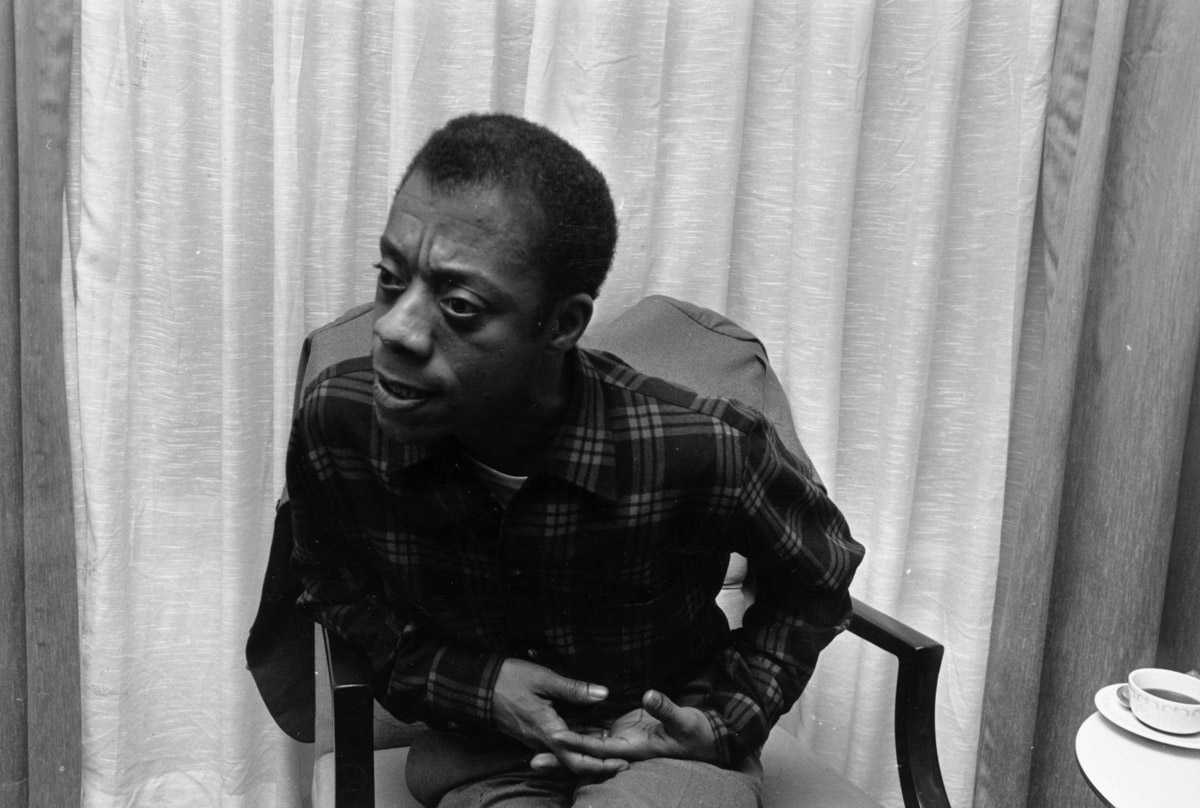
American writer and civil rights activist James Baldwin (1924–1987). (Townsend / Getty Images)
Living in Fire, Bill Mullen’s new biography of James Baldwin is many things: a short, accessible introduction to Baldwin’s life and work drawing on his letters and unpublished writings; an argument for his place among left artists and writers; and an overview of his less well-known writings on queer identity and anti-imperialism, including their relation to Palestine. It’s also a great advertisement for the New York City public schools.
Baldwin grew up as the oldest of nine children. His father was a storefront preacher who worked at a soda bottling plant, making $27.50 a week. His childhood took place largely during the Great Depression, when black unemployment reached 50 percent, but Baldwin’s teacher, Orilla Miller, nonetheless called the poverty of Baldwin’s house among the worst she had seen. Taking a liking to Baldwin, Miller brought him along to the movies, an experience he would recount many years later in The Devil Finds Work, his book-length essay about American films; her husband took Baldwin to the May Day parade, where he got his first taste of what he later described as “the universal and inevitable ferment which explodes into what is called a revolution.”
There were more felicitous encounters. At Frederick Douglass Junior High School, Baldwin met the poet Countee Cullen, who would encourage his writing and his move to DeWitt Clinton High School in the Bronx — where, on the staff of the school literary magazine, he would meet two of his future editors as well as Richard Avedon, later a famous photographer and collaborator of Baldwin. And one of Baldwin’s teachers was Abel Meeropol, the communist lyricist of “Strange Fruit” and adopted parent of the Rosenberg children.