How Writers Survived Fascism
The last years of the Weimar Republic are often thought to have witnessed an outpouring of politically engaged literature. But the history is more complicated. Writers more often avoided antagonizing a resurgent right to protect their lives and careers.
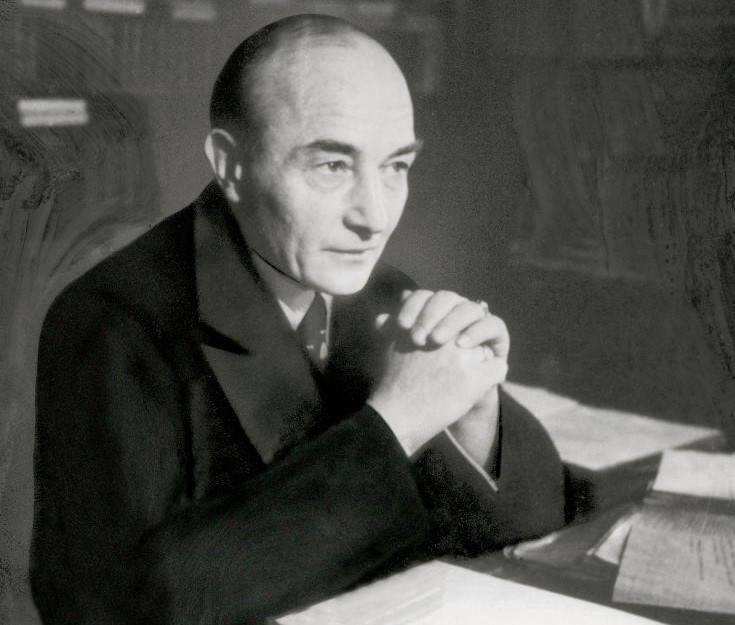
Austrian writer Robert Musil, circa 1930. (Hulton Archive / Getty Images)
The years leading up to the rise of the Nazi Party are often thought to be paradoxical ones from a cultural perspective. The Weimar Republic collapsed while the republic of letters flourished. Books by Thomas Mann and Robert Musil were sent to press while fascists battled communists in the streets. But this was only a prima facie paradox.
For most German writers, the fall of the Weimar Republic brought little literary inspiration. Some were crushed by the weight of exile; many were killed; most preferred to forget all about it. As Erich Kästner, who had stayed in Germany throughout the Nazi period in order to chronicle it in fiction, observed: “The Thousand-Year Reich does not have the stuff for a great novel.”
February 1933: The Winter of Literature, a recently published book by the critic and former literary editor at the Frankfurter Allgemeine Zeitung, Uwe Wittstock, traces Germany’s cultural sphere throughout the month when Hitler seized power and largely confirms Kästner’s verdict. The rise of fascism was not defined by the growing political awareness of men and women of letters, but their inability to meet the challenge of the moment. There were of course exceptions. Some, like Joseph Roth, perceived the threat of Hitlerism early. Others channeled it into poetry, like Bertolt Brecht, who’d go on to pen The Resistible Rise of Arturo Ui, with its imperishable closing stave: