Bombas and the Futility of “Mission-Based” Capitalism
When it comes to easing the burden of homelessness, free sock donations from a “mission-driven” company like Bombas have nothing on public funding and state intervention.
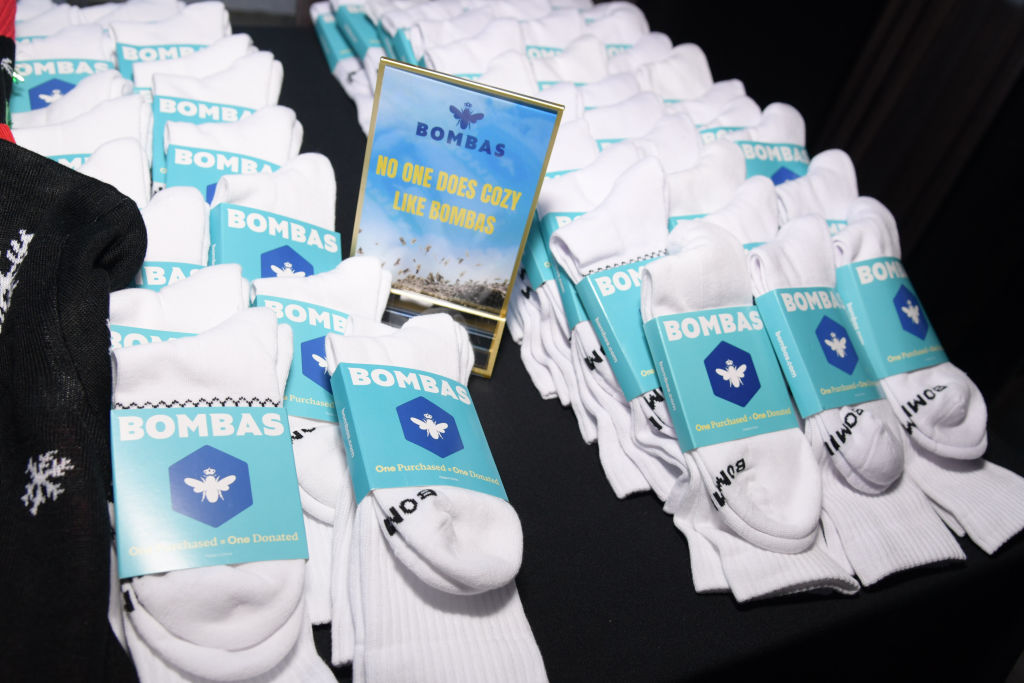
Appearing on Shark Tank, the startup Bombas provides one pair of socks to the homeless for every one it sells. (Kristina Bumphrey / Disney via Getty Images)
It’s been over three years since Jacobin last checked in on Shark Tank, the ultracapitalist reality TV juggernaut that socialists love to hate. Now in its fifteenth season, not much has changed for the show. It’s added some decorative guest sharks, including Nirav Tolia, hit-and-run artist and cofounder of local racism enhancer Nextdoor; upstart sports monopolist Michael Rubin of Fanatics; and Emma Grede, whose Good American clothing line has been accused of being neither good nor American.
But beyond those additions, and the end of the ZIRP era allowing resident supervillain Kevin O’Leary to brag about being able to put the screws to investees again, it’s the same show it always was, with the same message: entrepreneurship is the way out for every American. While Shark Tank doesn’t draw the huge viewership numbers it once did, it’s still a ratings powerhouse, with over three million people tuning in every week to see billionaires rain their largesse on start-up brands. It routinely picks up Emmy nominations and has put OG tech bro Mark Cuban in the conversation about future presidential candidates.
Still, if Shark Tank hasn’t changed, the world has. The pandemic and its accompanying economic downturn exposed a lot of Americans to the sharp edges of capitalism. The show is as much propaganda as it is entertainment, and since 2019, the sharks have become much warmer and fuzzier, battling their reputation for favoring white men by investing in more women- and minority-owned business, becoming angel investors for companies with an inspiring story, and, most of all, leaning into so-called “mission-driven” companies.