We Need a Shark Tank Without the Sharks
The entrepreneurial reality show Shark Tank is saturated with the absurdity of twenty-first-century capitalism. But watching it, you can’t help but think about how its basic premise — helping ordinary people with extraordinary ideas implement them on a wide scale — could be carried out under socialism.
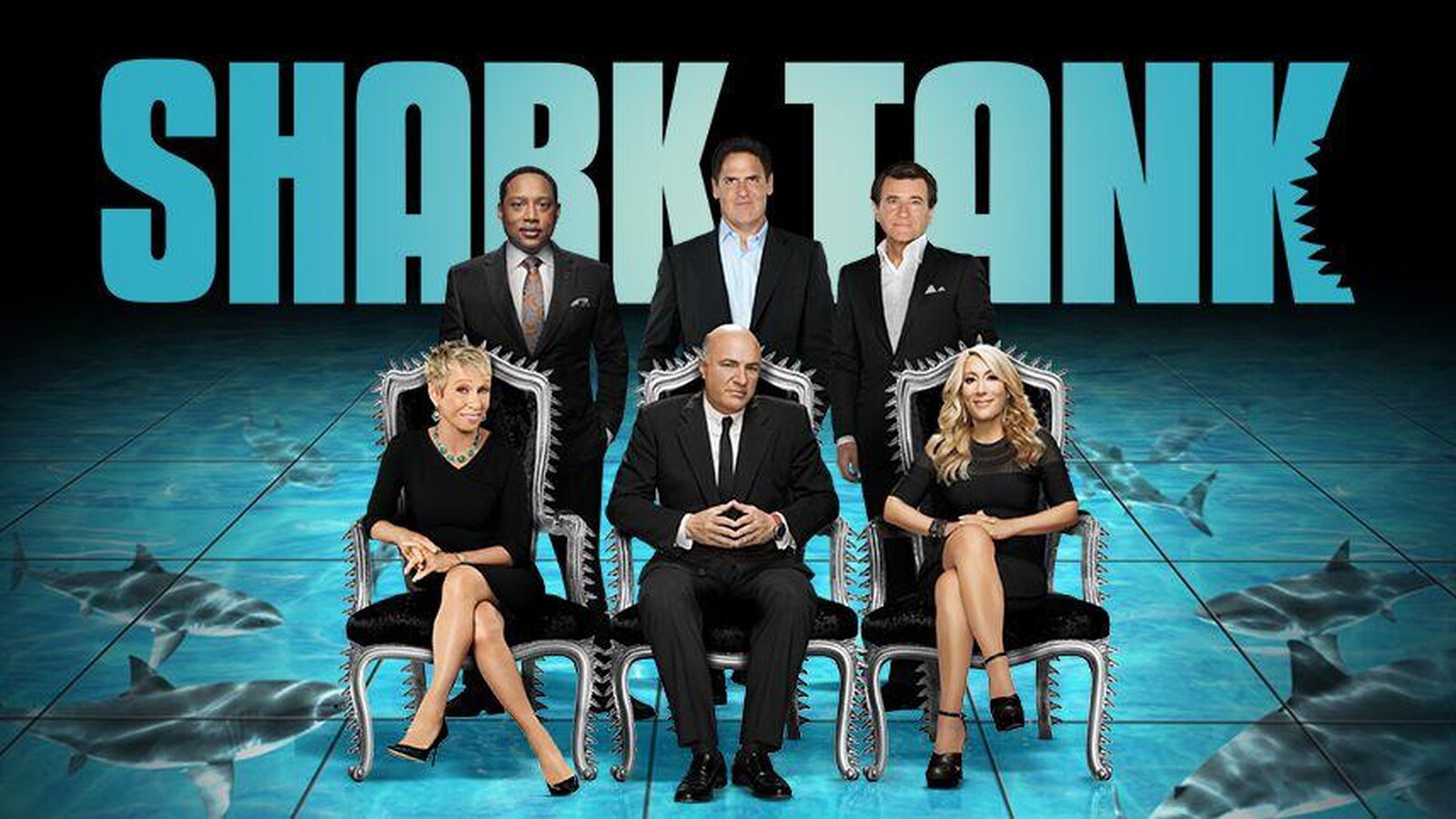
The hosts of ABC’s Shark Tank. (Photo: ABC)
Watching reality television is usually either a guilty pleasure or a hate-watch. For socialists, ABC’s Shark Tank — now returning for its twelfth season — is a little bit of both.
Shark Tank borrows its format from Japan’s Tigers of Money, and the United States is one of more than forty countries to imitate the premise. Other than switching up the titular apex predator, the format is mostly unchanged: contestants pitch their ideas for often flagrantly unnecessary products and services to five wealthy capitalists (the “sharks”). Following the presentations, the sharks — including Dallas Mavericks owner Mark Cuban, QVC maven Lori Greiner, New York real estate wheeler-dealer/snack enthusiast Barbara Corcoran, FUBU founder and amateur beekeeper Daymond John, anti-communist man-child Robert Herjavec, and Canadian oenophile Kevin O’Leary, who nicknamed himself “Mr Wonderful” — negotiate with contestants and one another over how much of their hoarded gold to invest, bickering about landed costs and profit margins, with frantically calculated back-of-the-envelope numbers and music cues that heighten the drama by shamelessly ripping off the Jaws theme.
When Shark Tank premiered in August 2009, the world was reeling from a global economic crisis. In response to the unprecedented loss of jobs, property, and personal savings, Shark Tank touted entrepreneurship as the remedy for working people’s economic ills: recovery means taking personal responsibility, not a government bailout. Since then, the products have only gotten more absurd, the valuations have only gotten more inflated, and the sharks have only gotten more greedy.