The Lost Matriarchs of Hollywood
American cinema was once full of formidable, charismatic older women. What happened to them?
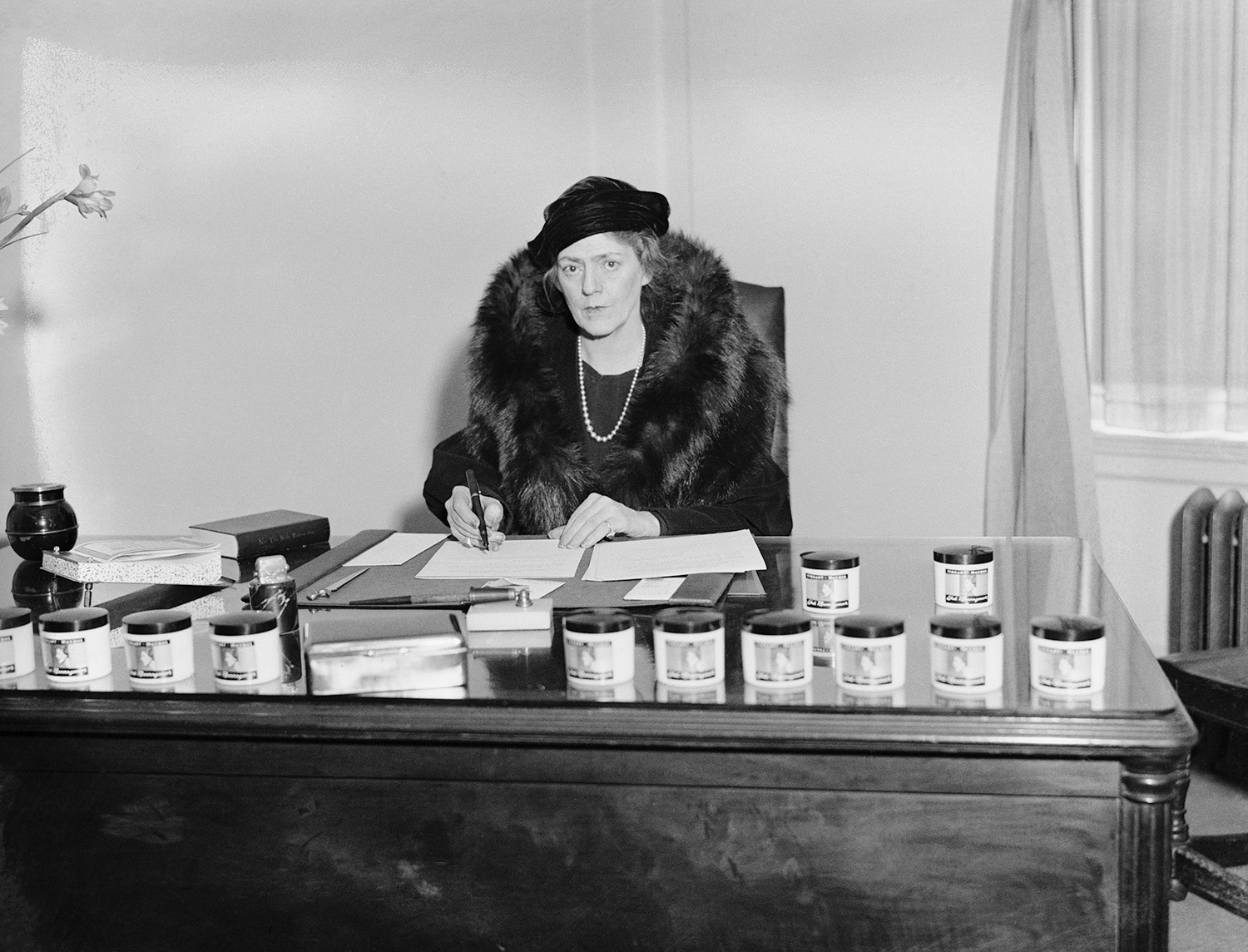
(Bettmann / Contributor)
Perhaps the most formidable woman of classic Hollywood was the strong, eagle-eyed matriarch. She’s generally missing from screens now, but from the 1930s till the 1960s, certain character actors — Lucile Watson, Edna May Oliver, May Robson, Jane Darwell, and Gladys Cooper, among others — put their unique signatures on these roles.
Ethel Barrymore brought her commanding height, hawklike profile, and legendary stage eminence to bear on a late-in-life film career that consisted almost entirely of powerful, no-nonsense matriarchs up and down the class scale. She played the rich head of a politically powerful dynasty in 1947’s The Farmer’s Daughter, the regal, sagacious aunt in an idealized middle-class family in 1954’s Young at Heart, and the impoverished, slum-dwelling, and cancer-suffering but still iron-willed mother of a rebellious Cockney son in 1944’s None but the Lonely Heart.
All these actors were of Anglo-American Victorian vintage, born in the mid-to-late nineteenth century. This was a time when patriarchal power was so oppressive that it catalyzed a longing for a quasi-mythical matriarchy. The revered character of wise and stalwart Marmee in Little Women is a good illustration of this phenomenon, which found its way readily into popular fiction, theater, and films.