Canada’s First Female MP Was a Socialist Champion of the Rural Working Class
Agnes MacPhail, elected in 1921 as Canada’s first female MP, championed working-class farmers. Her agrarian socialism has as much to offer the decaying rural areas of North America as it did her hardscrabble constituency a hundred years ago.
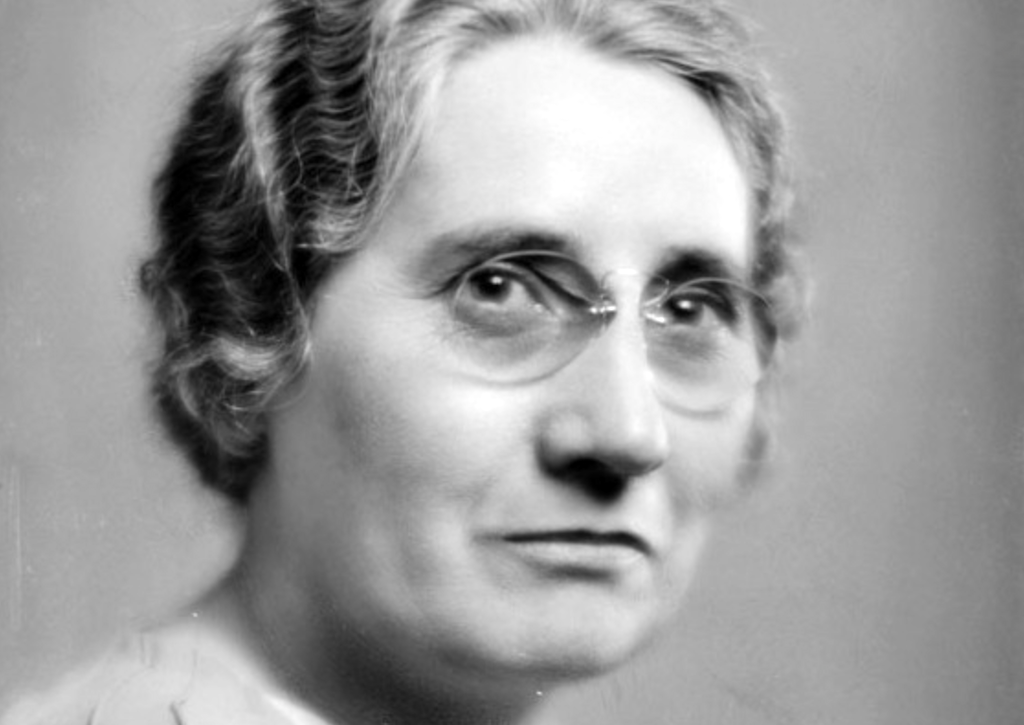
Portrait of Agnes MacPhail, 1934. (Wikimedia Commons)
In 1936, Agnes MacPhail, a forty-six-year-old member of parliament (MP), representing Grey-Bruce, Ontario, found herself included in a roster of traveling lecturers managed by an agency in New York. This eclectic ensemble also featured prominent figures such as Winston Churchill, H. G. Wells, Bertrand Russell, and Thomas Mann. While MacPhail earned the moniker “Lady Astor of Canada” in promotional tours — a nod to Nancy Astor, the first British female MP — her political ideology stood in stark contrast to the conservative Astor. Indeed, the socialist commitments of MacPhail, Canada’s first female member of parliament, set her apart from most of her political contemporaries in prewar Ottawa.
MacPhail came from rural roots in the sparsely populated and harsh farmland of Ontario’s Grey County. Throughout her long political career, she championed the working-class farmers of her constituency, women’s rights, prison reform, and antiwar activism. Enlisting a brand of socialism born out of material necessity, she was a dominant force in the populist agrarian movements engulfing rural Canada and the United States at this time. MacPhail’s relevance has only grown as her former constituency suffers the hollowing out of industry, drug epidemics, and the destruction of the working-class farmer.
Early Days
MacPhail’s parents were the descendants of Scottish settlers who owned a log cabin on a rugged plot of land. Despite financial challenges, she managed to attend the region’s only high school, where a young Norman Bethune, a future international socialist icon, would later enroll. Local girls ridiculed her for her simple working-class attire, particularly her worn-out blue dress, which her parents had proudly provided for her. Throughout her political career, MacPhail wore this outfit as a badge of honor, donning a trademark blue dress at practically every public appearance as an embrace of her working-class roots.