Chief Justice Roberts Wants Absolute Power in the Supreme Court — If It’s Conservative
In the early 1980s, Chief Justice John Roberts, then a young lawyer, worked with the Reagan administration to strip power from a liberal judiciary. Today he has reversed course to shield the Supreme Court’s absolute power.
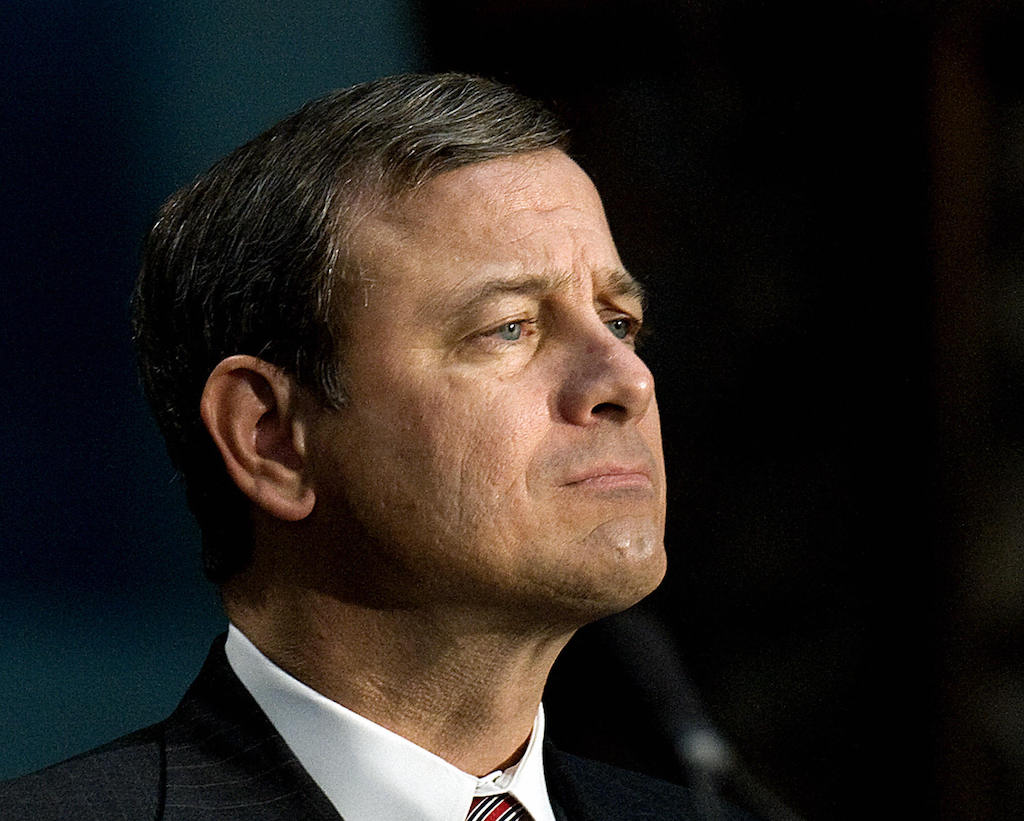
Chief Justice John Roberts in Washington, DC, January 26, 2009. (Jim Watson / AFP via Getty Images)
In the early 1980s, a young John Roberts was working as a lawyer in President Ronald Reagan’s administration, crafting legal and constitutional arguments in favor of Republican efforts to strip power from a liberal judiciary that threatened their agenda.
Roberts argued in a 1983 memo defending term limits for federal judges that the “federal judiciary today benefits from an insulation from political pressure even as it usurps the roles of the political branches.”
Now, as chief justice of the most conservative Supreme Court in a century, Roberts has reversed course to shield the court’s absolute power. He has defended the court’s decisions revoking rights from tens of millions of people against public outcry, arguing that “you don’t want the political branches telling you what the law is.”