The Technocratic Socialism of Otto Neurath
The Austrian economist and philosopher Otto Neurath devised elaborate ideas for a democratically planned economy. They are a monument to the most optimistic strands of the interwar socialist movement.
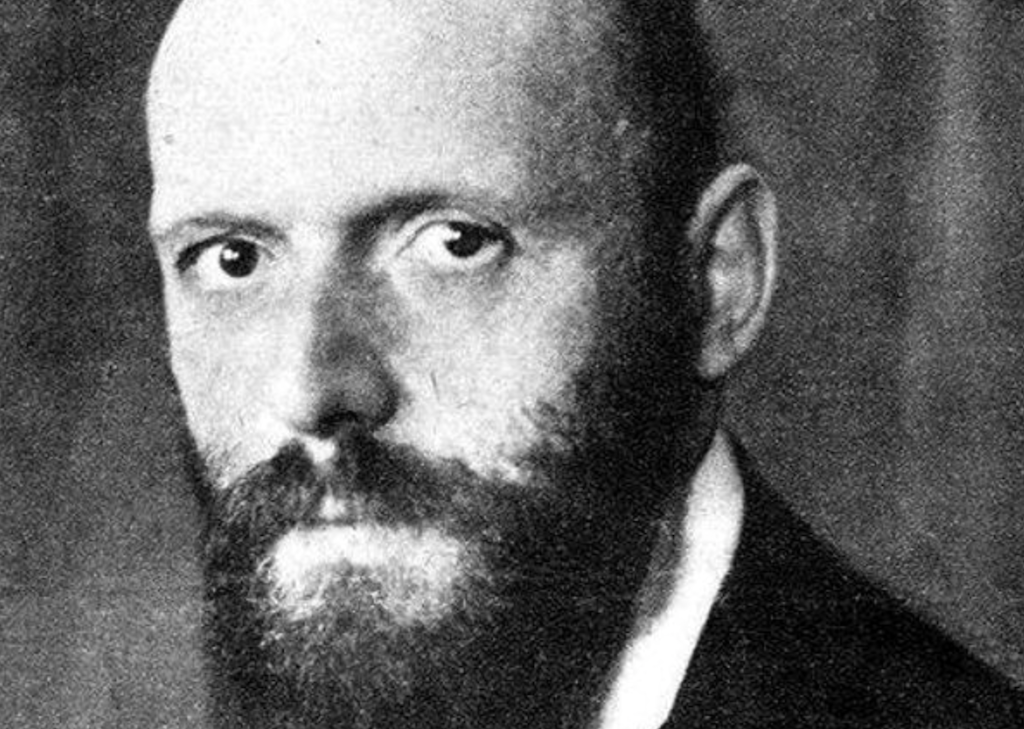
Otto Neurath photographed in January 1919. (Wikimedia Commons)
Standing next to the radicals of this and the preceding century, the Austrian technocrat, socialist, and utopian Otto Neurath cuts a strange figure. In our age, technocracy is everywhere a byword for complacent liberalism. Cadres of wonks who, bunkered away at the European Central Bank or the International Monetary Fund, devise piecemeal solutions to environmental destruction and rising inequality. They are as far as one could possibly imagine from utopians.
Neurath, who studied math and physics before completing a PhD in political science and statistics, developed his own incomparably more radical vision of technocratic politics in a very different environment to our own. In the United States, the rise of mass production, exemplified by Ford’s car factories, had made possible production at a scale hitherto unknown; in Germany, the chemists Fritz Haber and Carl Bosch had discovered the key to manufacturing ammonia, enabling industrial-scale fertilization of the soil and refuting Malthusian arguments that the production of food could not keep at pace with the growth of populations. This was, more than at any other period in the history of capitalism, a moment in which science and industrial modernity could appear to be revolutionary forces.
It was understandable then that a thinker like Neurath, who advocated socialist planning where the national economy is treated “as if it were one factory,” could emerge during this period in which scientific and human progress could seem to move in lockstep. Recent years have seen a revival of his thinking, most notably in the work of modern-day utopian socialists like Troy Vettese and Drew Pendergrass who have, under the influence of the Austrian economist, thought seriously about how a planned economy could ensure the basic needs of the whole of society. Similarly, the economic historian Aaron Benanav has revived Neurath’s ideas to conceptualize how politically negotiated planning — what he calls “associational socialism” — could be possible.