André Gorz’s Non-Reformist Reforms Show How We Can Transform the World Today
In the 1960s, radical thinker André Gorz developed a novel concept that went beyond the tired reform versus revolution debate. With non-reformist reforms, popular movements can win immediate gains that shift power away from elites — and clear the way for more radical transformations.
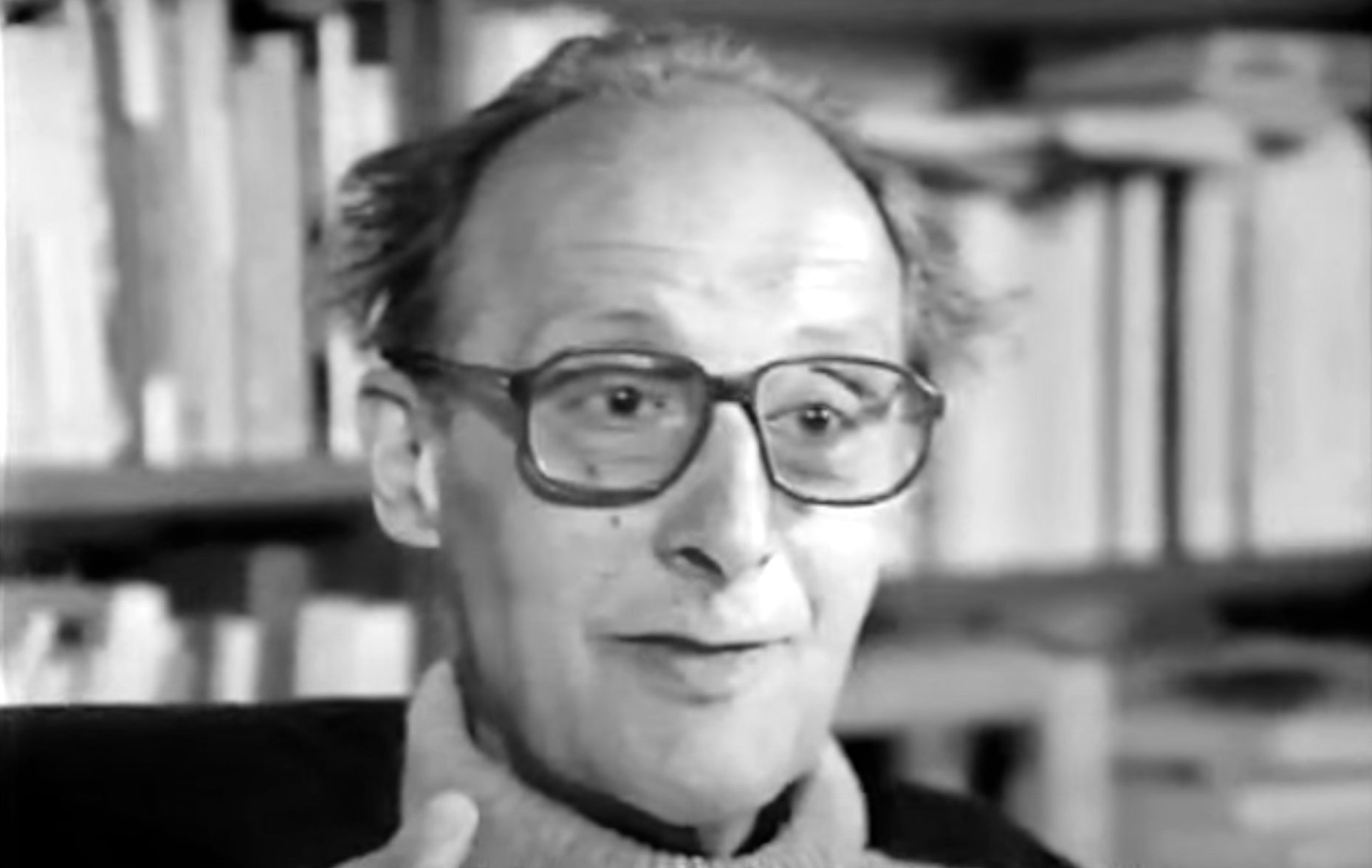
André Gorz speaking during an interview in Marian Handwerker’s documentary titled André Gorz, 1990.
For well over a century, radicals have debated whether systemic change might come through reform or revolution. Strategists — particularly within the socialist tradition — have disagreed on whether gradual steps might incrementally bring about a new society, or whether a sharp break with the existing political and economic order is required.
During the New Left of the 1960s, Austrian-French theorist André Gorz attempted to move beyond this binary and present another option. Gorz proposed that through the use of “non-reformist reforms,” social movements could both make immediate gains and build strength for a wider struggle, eventually culminating in revolutionary change. A certain type of reform, in other words, could herald greater transformations to come.
The Origins of the Non-Reformist Reform
Born Gerhard Hirsch in Vienna in 1923, Gorz immigrated to France in the late 1940s and cultivated a rich life as an engaged intellectual, immersing himself in the concerns of popular movements and becoming a provocative and sometimes influential voice for several generations of labor, socialist, and environmental activists. In the 1950s, he was a friend and interlocutor of Jean-Paul Sartre, advocating for the strain of existentialist Marxism associated with the storied journal Les Temps Modernes, where he served on the editorial committee. In the 1960s, Gorz cofounded a publication of his own, Le Nouvel Observateur, and was influenced by the ideas of radical educator and social critic Ivan Illich.