The Left Has Slightly Loosened the Cold Grip of Austerity Under President Biden
The politics of taxes, spending, and deficits are more congenial to the Left than they have been in years — but there are still some clouds on the horizon. Here's a guide to where things stand on the Biden budget proposal.
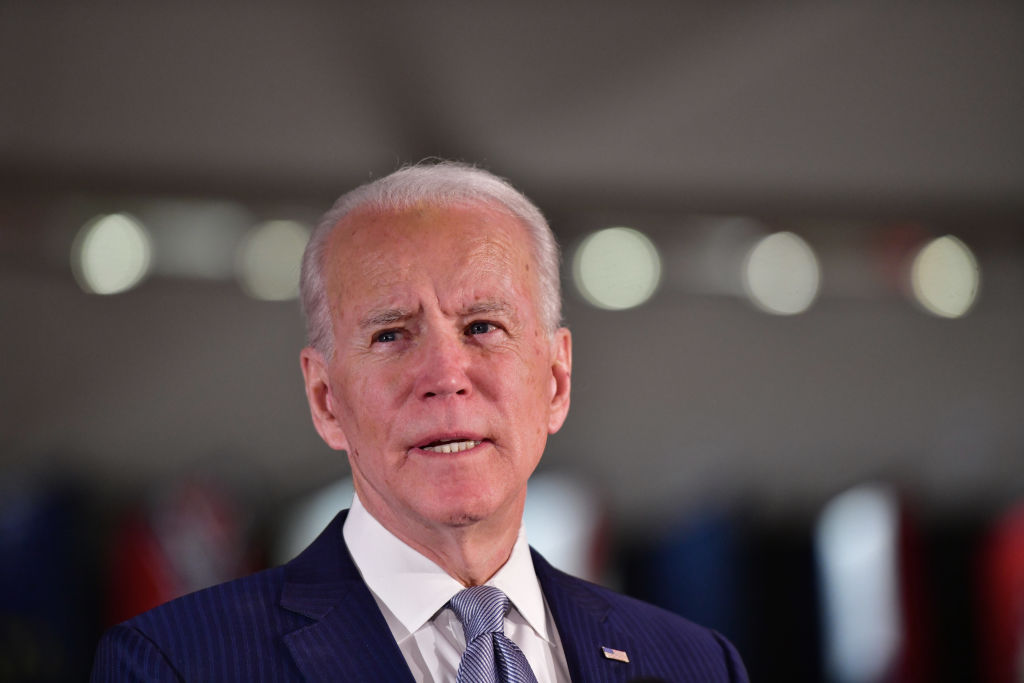
Joe Biden addresses the media and a small group of supporters during a primary night event on March 10, 2020 in Philadelphia, Pennsylvania. (Mark Makela / Getty Images)
If you have not been pleasantly surprised by the opening moves of the Biden administration, you should be, at least a little bit. One of the most promising areas has been fiscal policy, given the tilt of the incoming Council of Economic Advisers. After all, two of the three nominees to the council, Heather Boushey and Jared Bernstein, have institutional roots in our tribe, economics-wise. The third, professor Cecilia Rouse of Princeton, is more prestigious, but also more conventional. Ironically, as nominated head of CEA, she requires Senate confirmation. In the interim, she cannot serve, and the influence of the two renegades is enhanced in these critical weeks.
The Biden administration is fixing to ram through a $1.9 trillion spending package. In a gratifying change of attitude from the hackneyed “we are not red states or blue states, we are the United States” cant of Barack Obama, nobody this time is falling for the crocodile tears of the Senate Republican minority. The Democrats for all their faults appear to understand that if they do not deliver the goods, after 2022 they risk minority hell in Congress for a very long time. The package will be passed, by hook or crook.
The bleating of the born-again fiscal responsibility gang is being deservedly ignored as well. Still, the question remains, is the price tag for the spending too high or too low? Too low would mean unnecessary delay in recovery of the job market. Too high would mean running the risk of inflation. To get at this, we need to examine the arcane economic concept of the “output gap.”