The New School Is in Crisis
At the New School, two visions are colliding: one of its student body and faculty who want to keep true to the university's progressive history, and the other of its Board of Trustees and presidential leadership, who want to trim down the New School to only those parts which pay the most.
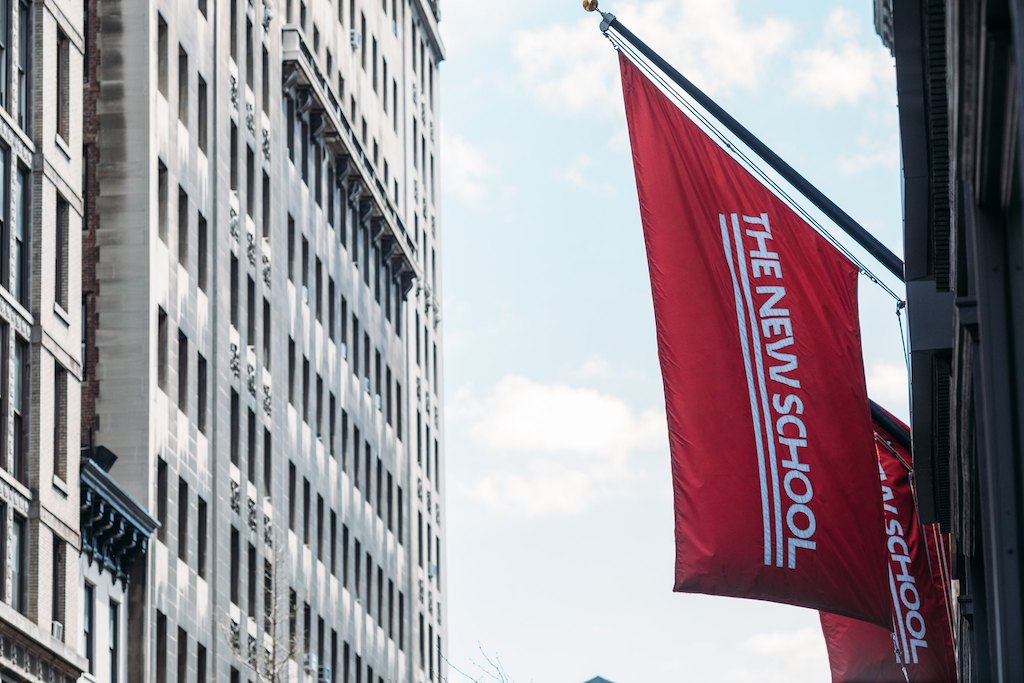
The New School was founded in 1919 by a group of scholars who wanted to create an institution which wasn’t shackled intellectually by its financial interests. (The New School / Instagram)
Each fall, at the economics department’s welcome party, incoming students are asked to introduce themselves and say why they came to the New School for Social Research (NSSR). Ibrahim Shikaki, who came from Tulkarem, Palestine in 2013, recalls, “My answer was that I’m here because the world is f — d up. That technical term was meant to convey my dissatisfaction with the inequality and environmental degradation that plagued our world.”
There are only a handful of schools around the world that not only tolerate but actively encourage systemic questions and radical thought. These schools and departments serve as meeting points or magnets to which young radicals from around the world flock to exchange ideas and politics.
NSSR, the graduate center for social sciences at the New School, is one such place — and it is in dire straits. The New School’s administration and Board of Trustees have responded to COVID-induced and -exacerbated financial pressure by slashing budgets and laying off essential staff.