For Higher Education, a “Return to Normal” Isn’t Good Enough
It’s tempting for students and academic workers to hope for a quick “return to normal” at colleges and universities. But normality was misery for an increasing number of us.
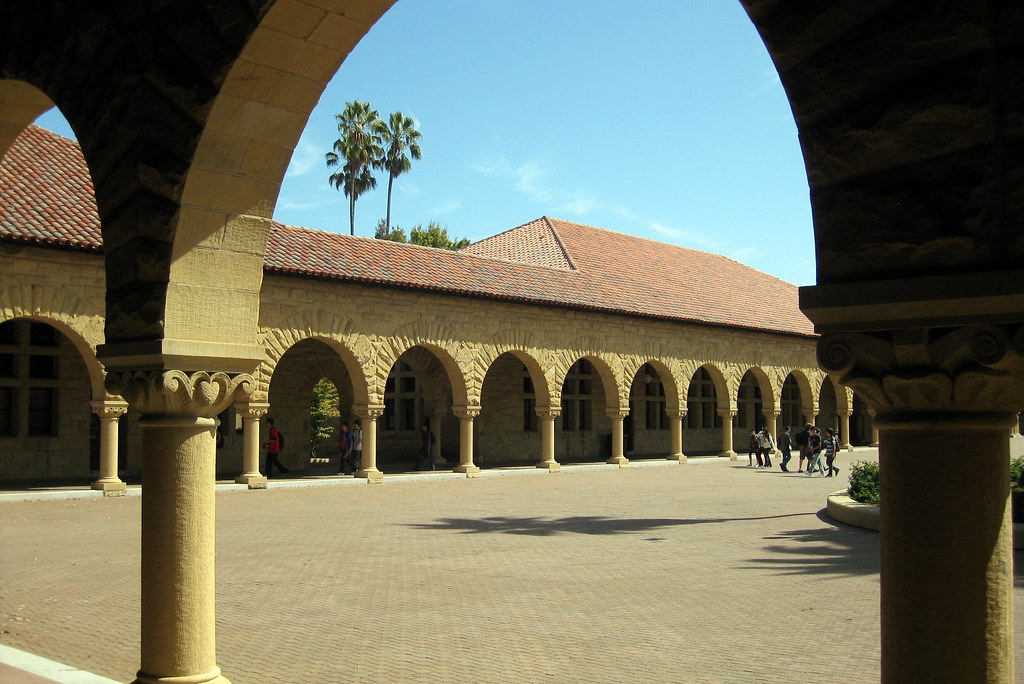
Stanford University campus. (Wally Gobetz / Flickr)
COVID-19 has turned the world of higher education upside down. We’ve sent millions of students home early, left others stranded abroad, called off graduations, canceled job searches, and asked our faculty and supporting staff to transition to online learning within a matter of days. Institutional endowments, the financial lifeblood of many colleges and universities, are in free fall. Campuses are ceasing normal operations, and tens of thousands of hourly workers face furloughs and layoffs.
As we stare into this seemingly bottomless abyss, it seems natural to long for the day when things return to “normal,” when we can regain routines in our daily lives. For those of us in higher education, that means talking in person to our students and colleagues, rather than via Zoom, about our weekends, work politics, and lesson plans; being barraged by the regular drone of emails, rather than today’s panic drone; resuming our normal set of anxieties instead of today’s apocalyptic ones.
But before COVID-19, “normal” in higher education meant all kinds of harms: spiking debt, precarious work, and social protections that fall somewhere between elusive and imaginary.