Expert Wisdom
Too often just a term of abuse, some academics have attempted coherent definitions of populism.
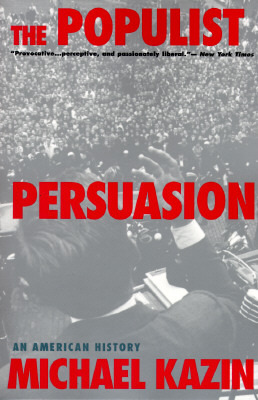
The Populist Persuasion: An American History
Michael Kazin
The most basic and telling definition of populism: a language whose speakers conceive of ordinary people as a noble assemblage not bounded narrowly by class, view their elite opponents as self-serving and undemocratic, and seek to mobilize the former against the latter.
Populist speakers in the United States voiced a profound outrage with elites who ignored, corrupted, and/or betrayed the core ideal of American democracy: rule by the common people who expected their fellow citizens to advance by diligence, practical intelligence, and a faith in God alone. There have, of course, been populisms in the history of other nations — movements and political figures that consistently expressed the belief that “virtue resides in the simple people, who are the overwhelming majority, and in their collective traditions.” But populism in the United States has made the unique claim that the powers that be are transgressing the nation’s founding creed, which every permanent resident should honor. In this sense, American populism binds even as it divides.
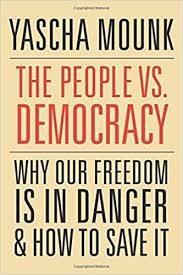
The People vs. Democracy: Why Our Freedom Is in Danger and How to Save It
Yascha Mounk
First, populists claim, an honest leader — one who shares the pure outlook of the people and is willing to fight on their behalf — needs to win high office. And second, once this honest leader is in charge, he needs to abolish the institutional roadblocks that might stop him from carrying out the will of the people.