The Blood of Tulips
A dispatch from another year of agonizing bloodshed in Indian-controlled Kashmir.
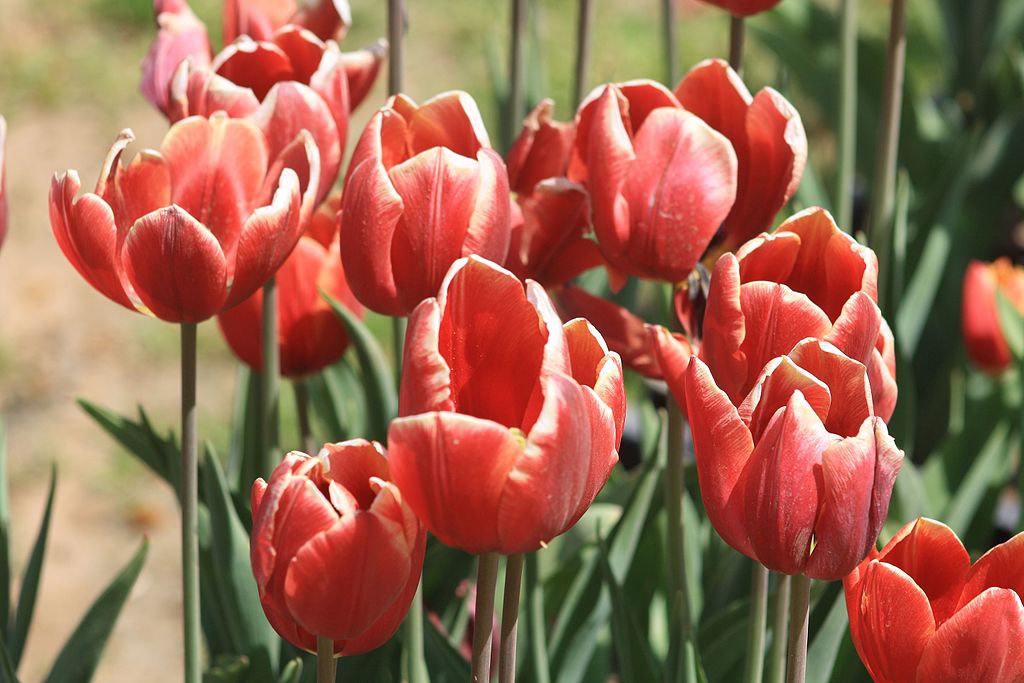
Tulips at the Indira Gandhi Tulip Garden in Kashmir, April 8, 2012.Pmedh / Wikimedia
There’s a tulip garden in Kashmir. Spread over nearly thirty acres of magnificent terraces, it’s girded by the Zabarwan hills at the back and overlooks the world-famous Dal Lake at the front. The garden is believed to be one of the largest in the world.
Every spring, we have a government-run festival here to mark the beginning of the tourist season, during which tourists, residents, and on occasion Indian soldiers, pose for photos amid a sea of red and yellow flowers. Colorful balloons soar into the sky, folk-music ensembles play string music, conflict-weary press photographers click away at the stunning vistas in the hope they’ll get to send images of pretty flowers into the world, as opposed to their usual fare: stills of young corpses and funeral marches.
Every year, there appear in the Indian and local press stories about the majestic tulip garden of Kashmir. Feature writers write eloquently about the breath of fresh air that the gardens bestow on the conflict-torn region; Television crews make slick features, showing us clipped vox pops of selfie-driven tourists, local floriculturists, and, of course, politicians hungry for beautiful photo-ops.