Against Geoengineering
Geoengineering is a risky business. It is so risky, in fact, that it should be banned.
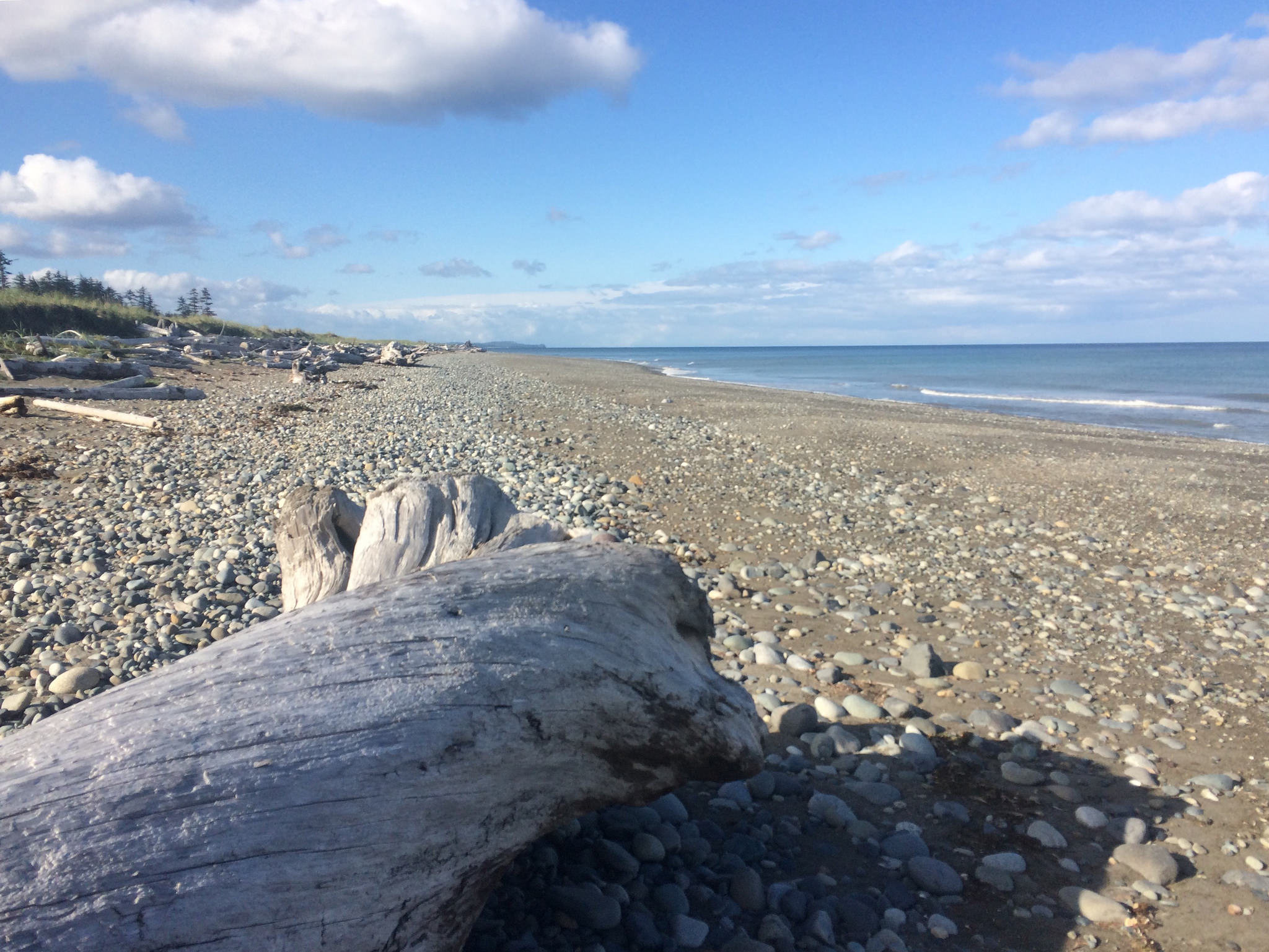
Haida Gwaii, Canada, where a private ocean-fertilization experiment was recently shut down.Christine Rondeau / Flickr
According to the most recent IPCC report, we have only twelve years to drastically reduce emissions if we’re to keep the Earth’s temperature rise from surpassing 1.5º Celsius. The dire conclusions of the report and the daunting task we have before us might make some think that geoengineering — actively intervening in planetary systems to keep temperatures down — is the only option to prevent catastrophic climate change. But the risks that come with geoengineering are also huge and could even worsen the climate imbalance. They aren’t worth it.
Geoengineering is an umbrella term that refers to the deliberate large-scale technological manipulation of the Earth’s systems to counteract the symptoms of climate change. Different kinds of technologies are used to intervene in the land, oceans, or atmosphere. Solar radiation management (SRM) techniques aim to block or reflect back part of the sunlight that reaches the Earth, attempting to lower the temperature: for example, by injecting sulphates in the stratosphere to mimic the effect of volcano clouds, or brightening marine clouds.
Other proposals aim to technologically remove carbon dioxide from the atmosphere. In a technique known as BECCS, large monoculture plantations are devoted to producing bioenergy, and the carbon is captured and stored. Ocean fertilization dumps iron into oceans to increase plankton blooms that would absorb more carbon. Enhanced weathering, which would dump tons of minerals into oceans, aims to change the chemistry of the oceans to make them absorb more carbon dioxide.