Bill Gates Won’t Save Us
When it comes to green technology, only the state can do what Silicon Valley cannot.
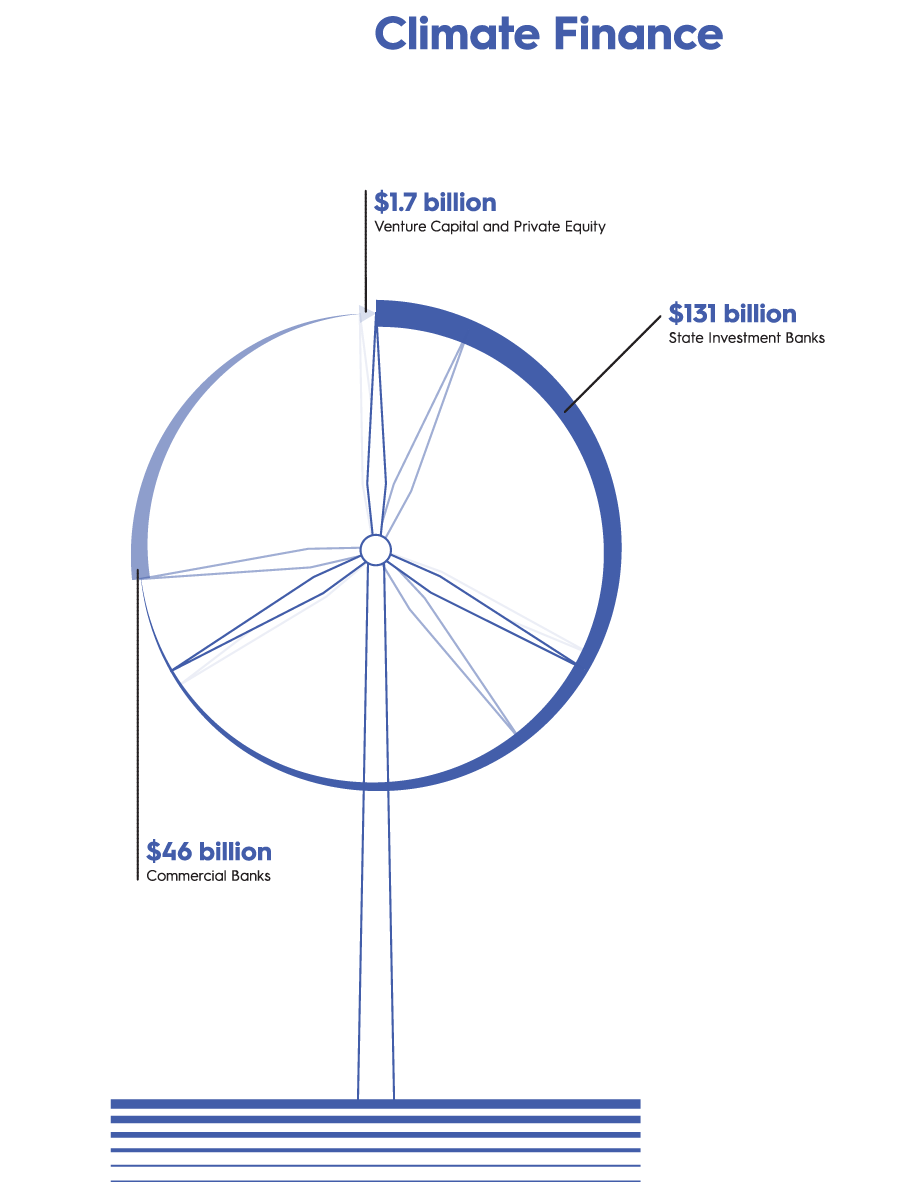
Silicon Valley prides itself on solving problems. Whether it’s colonizing Mars or finding a parking spot in San Francisco, the tech industry promises to tackle humanity’s greatest challenges. Yet on the most urgent challenge of all — how to stop climate change before it renders large portions of the planet uninhabitable — it has made vanishingly little progress.
It’s not for lack of trying. Eager to take advantage of what venture capitalist John Doerr called “the biggest economic opportunity of the twenty-first century,” from 2006 to 2011 investors poured a staggering $25 billion into companies that vowed to radically reduce our reliance on fossil fuels. It seemed like a perfect fit: Silicon Valley could fulfill its vision of itself as an instrument of human salvation by literally saving the world, while collecting the vast profits that would presumably flow from spearheading a global energy transformation.
The result was a disaster. By 2011, VCs had lost more than half of the money they had invested over the previous five years. Nearly all of Silicon Valley’s clean energy startups had gone bust or were about to. With the exception of a few high-profile outliers like Tesla, Silicon Valley fled the sector and “cleantech became a dirty word,” according to TechCrunch. The aversion has persisted ever since, although in December 2016, Bill Gates announced a new billion-dollar fund called Breakthrough Energy Ventures that aims to rekindle VC enthusiasm for clean energy.