Between Hope and Fear
The stakes couldn’t be higher in today’s Colombian elections. Here’s a quick guide of what to expect.
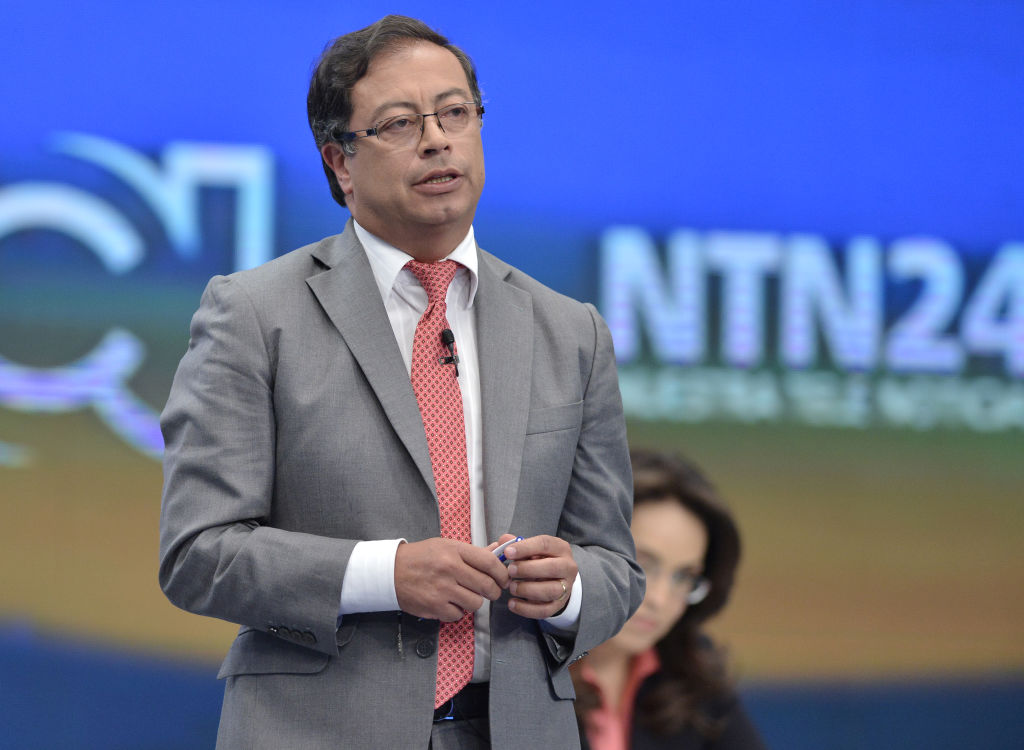
Gustavo Petro in Bogota, Colombia. Gabriel Aponte / Getty Images
Colombians are back at the polls for their presidential elections. Despite implementing a historical peace deal with the Revolutionary Armed Forces of Colombia — People’s Army (FARC-EP), lasting peace may depend on today’s outcome. With some popular opposition to the peace agreement and powerful factions of the political class benefitting from continued violence on one hand and social movements mobilizing for a continued effort for peace, justice, and reconciliation on the other, the country is highly divided. There are five main presidential candidates proposing very different visions for Colombia’s future. While neither of them is likely to get the absolute majority necessary to win in the first round, this Sunday’s vote is a crucial test of forces before the decisive second round vote on June 17.
The Contenders
Leading the polls since the parliamentary elections is the Democratic Center’s far-right candidate Ivan Duque. Throughout his political career, Duque was a close ally of former president Álvaro Uribe. While Duque’s is more measured in his rhetoric than Uribe, his proposals of revising the peace agreement, increasing military spending, and reinstalling paramilitary forces sounds like a return to Colombia’s dark past.
A recent investigation published by the Guardian has found that in the so-called “false positive” scandal of the Uribe years, the number of peasant farmers murdered was over ten thousand, three times higher than previously assumed.