The Purge of New York
How real estate barons and investment bankers plotted the destruction of working-class New York.
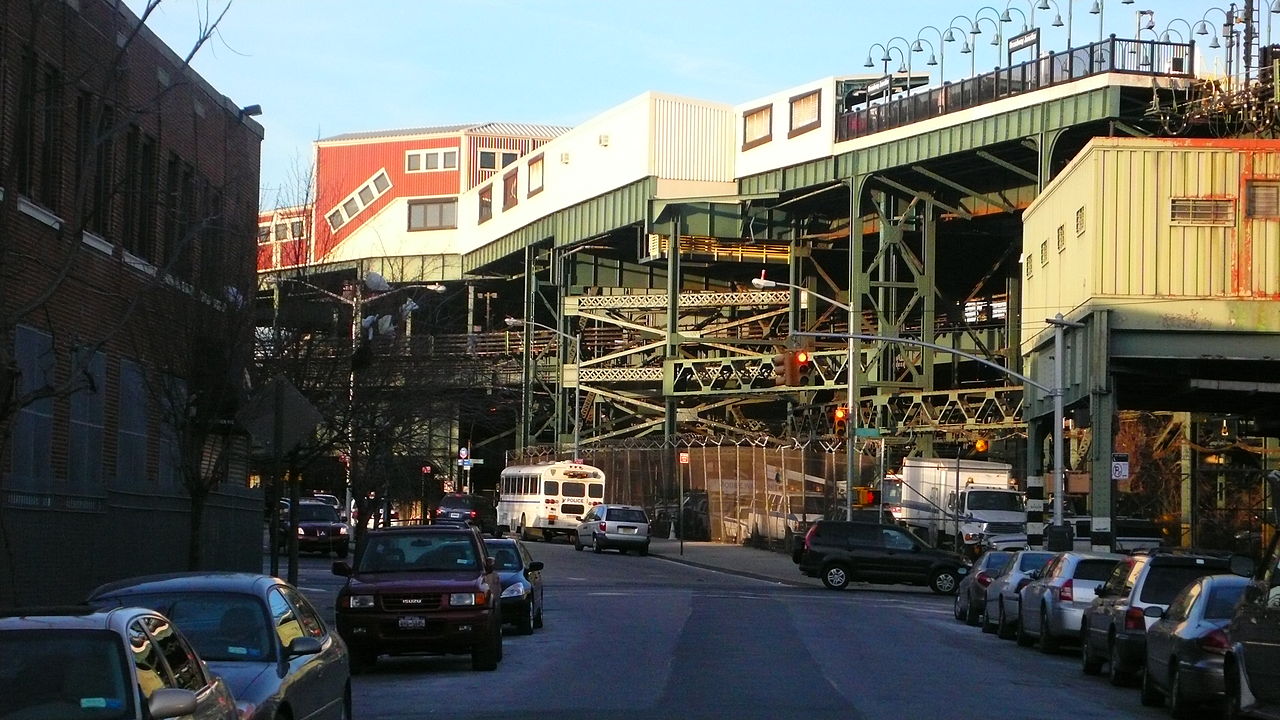
Broadway Junction, the site of a proposed revitalization plan.Stan Wiechers / Wikimedia
The streets of East New York are lined with hair salons and fruterias — and coming soon, a massive office complex. New York City officials are planning an intensive overhaul of the area around Brooklyn’s Broadway Junction train station, and office space is a centerpiece of the revitalization plan. “Bringing modern office space to East New York will help drive its continued growth as a job hub and bring hundreds of new private sector jobs to the neighborhood,” said Economic Development Corporation president James Patchett. By now, it’s a song New Yorkers know by heart.
Twenty-five years ago, the hidden origins of New York’s office-building addiction were unearthed by the radical journalist Robert Fitch in his classic book The Assassination of New York. New York, Fitch contended, once had a diverse industrial economy, and was therefore a place where people across the class spectrum could afford to live and work. But over the course of the twentieth century, city elites undiversified it — on purpose. Blue-collar industries were replaced with white-collar ones, with the goal of driving up land values. Why? Because city elites owned the land.
New York used to be a place where fishmongers, seamstresses, and dock workers lived a stone’s throw from Rockefellers. The wealthy vigilantly guarded their patrician institutions from proletarian interlopers, but they still preferred to live in New York, Fitch notes, because it was an energetic and culturally vibrant place to be.