The Socialism of the Black Panthers
A new documentary on the Black Panther Party overlooks the group’s socialist core.
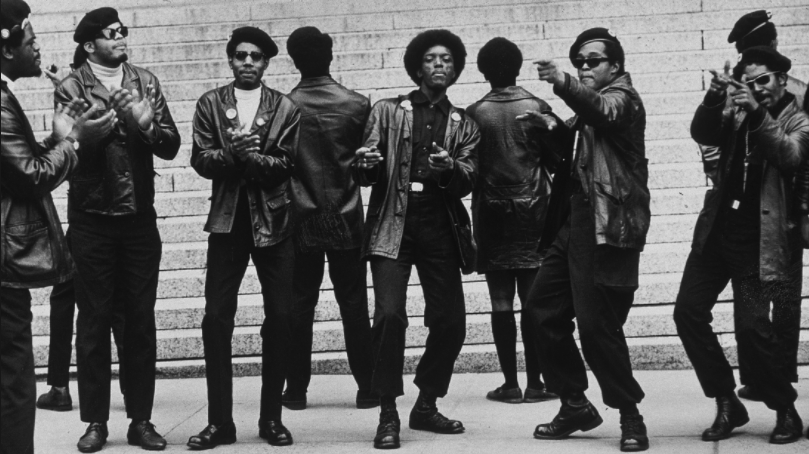
In the modern American memory of the 1960s, the Black Panther Party is presented in three images. First, and perhaps most pervasive, is that of a violent organization of angry African-American men and women — the people who marched on the California State Capitol Building in 1967 and wielded weapons during encounters with police. This perception of African Americans, armed and dangerous — a callback, in some ways, to the fear of slave uprisings and later, black political rule in the South — sparked demands for law and order across the nation.
The second image of the Black Panthers has been cultivated by activists and modern historians alike: an organization dedicated to local community activism, building political power, and delivering social services to those who needed it most. Seen in books such as Alondra Nelson’s Body and Soul: The Black Panther Party and the Fight Against Medical Discrimination, this version of the Panthers renders them armed not just with rifles and bullets, but with medicine and food.
A new documentary titled Black Panthers: Vanguard of the Revolution excels at discussing these first two images. It’s less adept at covering the third: an organization built on socialist principles and ideology.