Kimberly Guilfoyle, Donald Trump’s ambassador to Greece, has resigned. Her farewell statement lays bare the bigger story: how American exporters and Greek capital collude to make ordinary households foot the bill for their new energy order.

Israel’s Election Offers a Bleak Future for the Palestinians
The rival blocs contesting Israel’s general election differ over many questions, but they converge in their opposition to a Palestinian state. Even if Benjamin Netanyahu loses power, the occupation will continue.

Adolph Reed on What It Will Take to Defeat Trumpism
Donald Trump’s popularity may be waning, but the political-economic conditions that gave rise to Trumpism remain, Adolph Reed argues. To defeat the Right, the Left needs to rebuild durable working-class organization and a universalistic politics.

A New Israeli Government Won’t Stop the Settlements
Israel’s election on Tuesday is the first since October 7, 2023. Even if Benjamin Netanyahu’s government loses, it’s unlikely to lead to a real shift in Israeli policy.
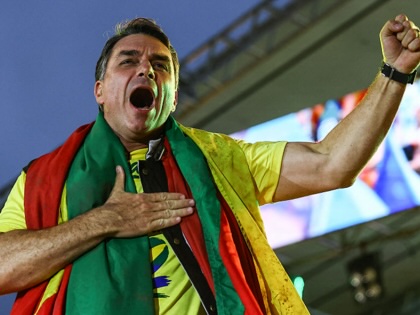
Brazil’s Far-Right Trajectory Is a Warning for Us All
To understand the global appeal of the far right, look to Brazil, where Bolsonarismo has capitalized on social disintegration to cement brute exploitation as the dominant social logic.
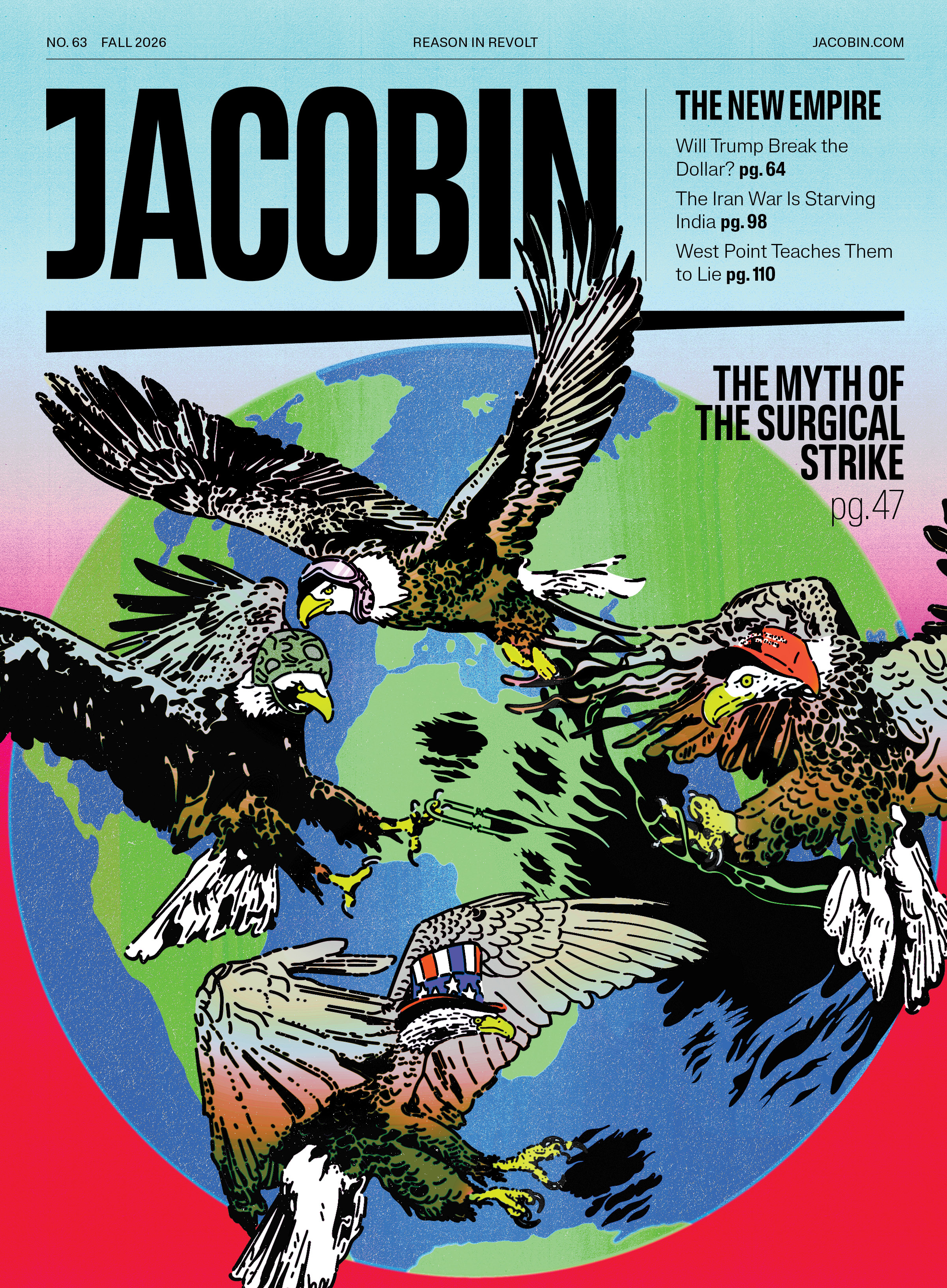
Is Trump Crashing the Dollar Empire?
Economist Mona Ali on how the United States wields the world’s most powerful currency to shore up empire and its own ruling class — and how Trump’s careless moves might blow it all up.
The real choice is not between globalization and deglobalization, free trade and tariff walls, but between empowering capital and empowering workers.

Israel’s Rogue State Behavior Is Somehow Only Worsening
Rather than slink back from its globally condemned genocidal conduct over the past three years, Israel is actually ratcheting up its psychotically bloody and illegal conduct right now.
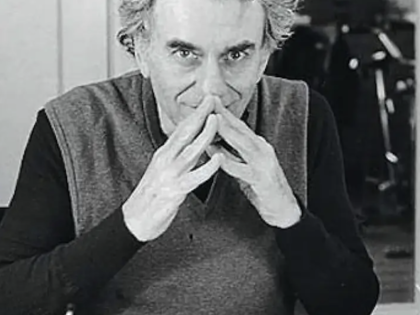
Hyman Minsky Was a Powerful Critic of Capitalism
The economist Hyman Minsky died 30 years ago today. Best known for his theory of financial instability, Minsky developed a view of capitalism and its mutations that was far more radical than many of those who cite his work appreciate.
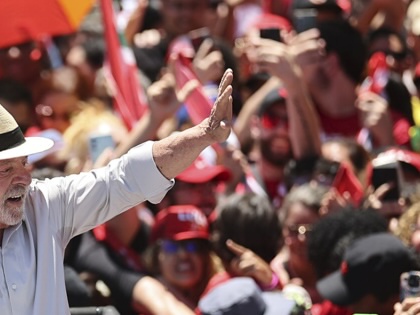
Lula Must Win. Now It Looks Like He Can.
Victory for Flávio Bolsonaro in Brazil’s election would bring mafiosi to power and reward interference by the White House and Miami reactionaries. In the final stretch of the campaign, Bolsonaro no longer looks invincible.

Milwaukee’s Proud History of Baseball — and Socialism
The Milwaukee Brewers are in the World Series for the first time since 1982. The small-market team’s success this season is a reminder of Milwaukee baseball’s progressive heritage and the city’s proud socialist history.
Michael Hardt and Antonio Negri’s Empire became a campus sensation because it offered a master theory for globalization at a moment when old Marxist categories seemed exhausted. But the capitalist internationalism they saw as permanent has now crashed and burned.
Wall Street Is Getting Very Nervous About AI
If you want to know whether artificial intelligence is a gigantic economic bubble, don’t just take pundits’ word for it. Major investors are now moving their money to try to protect themselves from the AI bubble popping.

Vancouver Is in the Middle of a Socialist Surge
Vancouver’s Coalition of Progressive Electors (COPE) elected all 12 candidates it ran in the city’s recent election. The democratic socialist party is now part of a progressive council majority.

There’s No End in Sight to Yemen’s Destructive War
A sudden offensive by Ansar Allah this summer took its Yemeni opponents and their Saudi allies by surprise. But the resumption of conflict is likely to be long and protracted, with disastrous consequences for Yemen’s civilian population.
![Detail of a page from the "Heures de Charles d'Angoulême," a book of hours commissioned by Charles of Orléans (1459-1496), with miniatures mostly painted by Robinet Testard and now in the Bibliothèque nationale de France in Paris. Published in "Verve - No. 8, Vol. II". [Verve, France, 1939]. Artist Robinet Testard.](https://media.jacobin.com/images/2026/10/738517670656-card.jpg)
Chris Wickham Revolutionized Our View of the Middle Ages
The British medieval historian Chris Wickham, who died earlier this month, transformed our understanding of the Middle Ages. Rooted in the great tradition of British Marxist historiography, Wickham covered a staggering range of case studies in his work.