The emergence of the dollar as the world’s currency was the result of the rise of the US as the preeminent global power. But the slow erosion of US economic and political power will not automatically spell the end of the dollar system.

Reactionary Feminists Offer Bad Solutions to Real Problems
Reactionary feminist writers Mary Harrington and Louise Perry dress up arguments for marriage and sexual restraint in Marxist rhetoric. But they also point to the limits of liberal feminism — limits that the Left needs to grapple with.
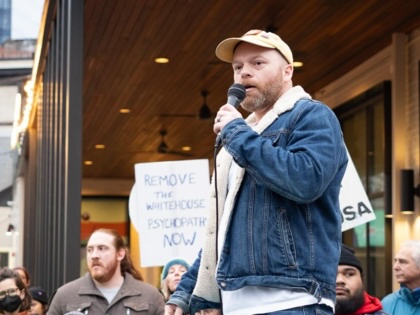
Portland’s Socialists Have Built a Political Machine
While New York City gets much of the media attention, the Democratic Socialists of America chapter in Portland, Oregon, has quietly built a local political powerhouse over the last few years.
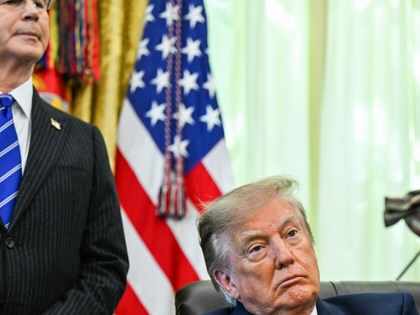
The Bases of US Empire Are Crumbling
In recent decades, the basis of US hegemony has shifted from domestic industrial strength to its ability to enforce the rules that organize global production, finance, and money. Today this imperial role is now increasingly under strain.
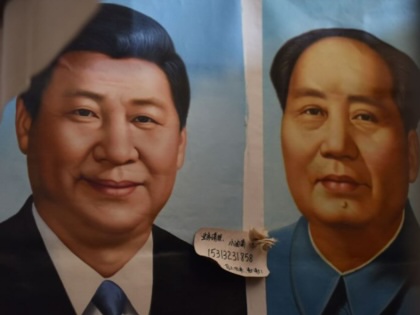
Xi Jinping’s Chinese Dream Has Replaced the Maoist Credo
China’s leaders now appeal to the vision of a rejuvenated future rather than a revolutionary past. The new social contract between the people and the party state is a pragmatic one: social stability in return for continued economic growth.
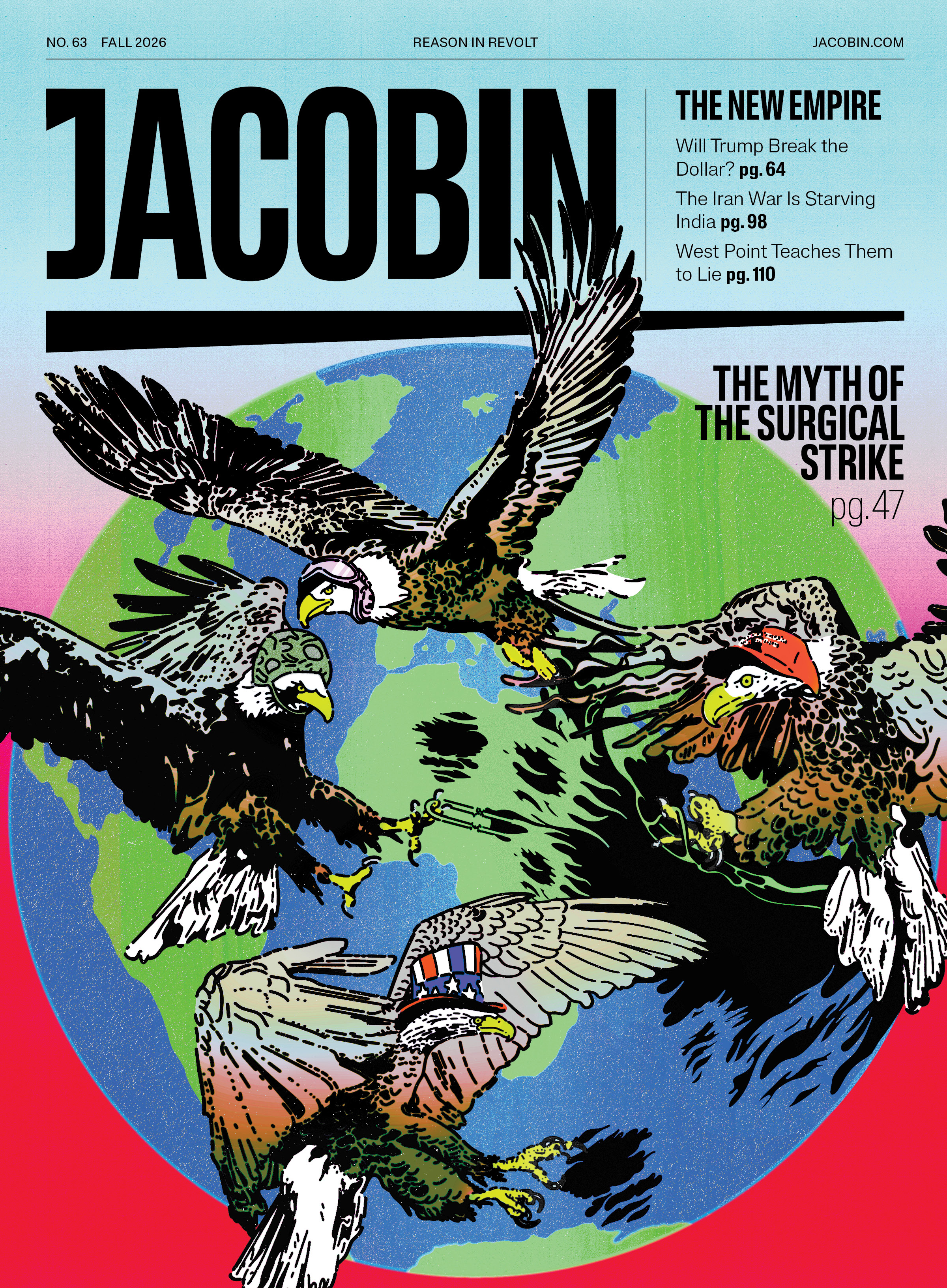
Is Trump Crashing the Dollar Empire?
Economist Mona Ali on how the United States wields the world’s most powerful currency to shore up empire and its own ruling class — and how Trump’s careless moves might blow it all up.
The real choice is not between globalization and deglobalization, free trade and tariff walls, but between empowering capital and empowering workers.
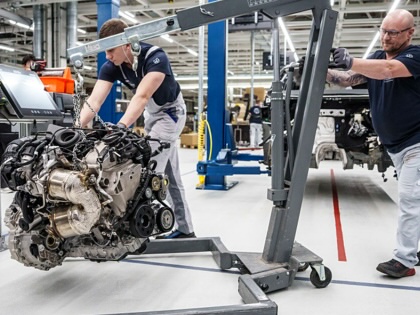
The Volkswagen Crisis Exposes Germany’s Industrial Decline
A proud symbol of German industry, Volkswagen enjoys far-reaching government support. Yet as it leans on the Chinese market, it’s far from clear that the firm is going to save jobs at its German sites.
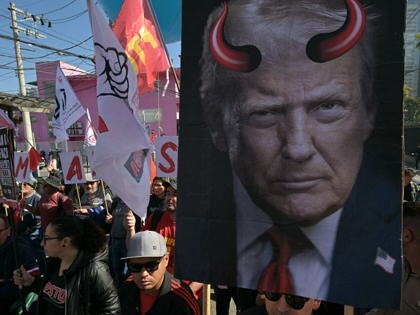
The Trump Era Is Bad. But Is It Evil?
Skepticism toward moral absolutes has made the modern mind leery of the very idea of evil. Philosopher Susan Neiman makes the case that explaining wrongdoing is not the same as reckoning with its moral significance.
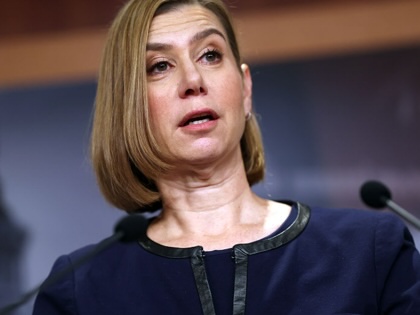
Enough With the “Public Option” Already
The public option sounds like a step toward universal health care, but it’s really a delay tactic. The latest versions would force public plans to mimic private insurers, while the fight over the arcane details buys the industry another decade or two.

In Turkey, When Does a Joke Become a Crime?
Comedian Deniz Göktaş spent 88 days in a high-security prison for insulting Turkish President Recep Tayyip Erdoğan. He turned his sentence into a punch line, but the chilling consequences of the case extend far beyond one comedian.
Michael Hardt and Antonio Negri’s Empire became a campus sensation because it offered a master theory for globalization at a moment when old Marxist categories seemed exhausted. But the capitalist internationalism they saw as permanent has now crashed and burned.
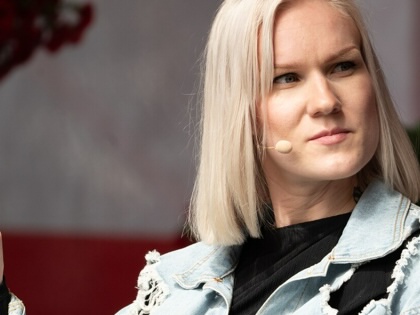
In Finland, the Left Can Lead on Fair AI Policy
Finnish authorities have instructed Google to stop work on two data centers after the firm flouted environmental rules. Ahead of the country’s election, the Left is calling for a wider plan to ensure AI doesn’t cause further devastation.
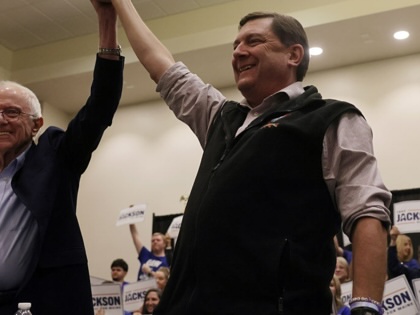
Working-Class Democratic Candidates Won Big in the Midterms
After this week’s elections, Democratic congresspeople from working-class backgrounds are set to grow their numbers by 75%. They have a chance to push the party’s agenda in a pro-worker direction. Organizing in a congressional caucus can help them do that.
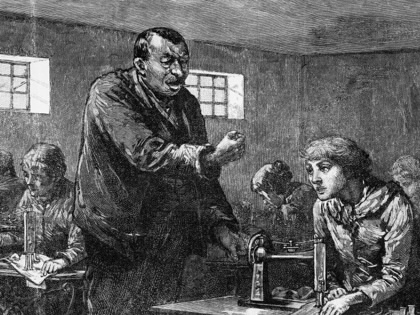
Equality Is About Who Rules
What do we actually mean by “equality”? Few thinkers have answered that question better than Elizabeth Anderson: not identical outcomes but a society where no one gets to dominate anyone else, including at work.
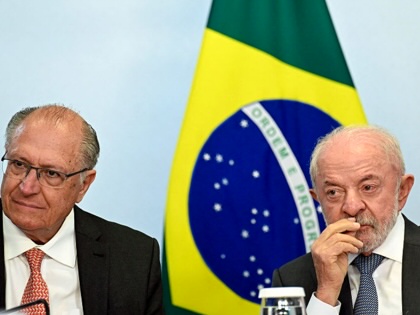
Austerity Is Now the Central Conflict in Brazilian Politics
Lula da Silva beat Flávio Bolsonaro to win a fourth term as Brazil’s president. Political scientist André Singer says the hardest fight is still ahead: Brazil’s bourgeoisie wants harsh austerity, and Lula’s coalition is split over it.