End the Private Health Insurance Tax: Pass Medicare for All
Make no mistake: the thousands of dollars that come out of your paycheck each year to pay for health insurance is a tax, just one paid to a private insurer rather than the federal government. Medicare for All would actually lower your taxes.
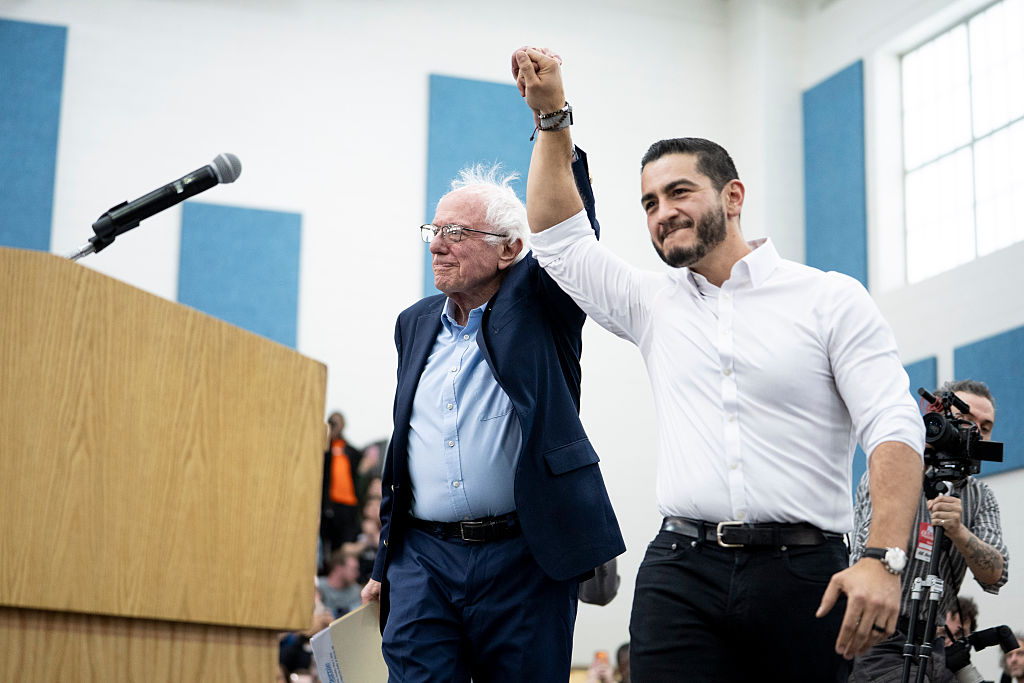
We often overlook how much money comes out of our paychecks in the form of employer and employee health insurance premiums — effectively a tax paid to insurance companies. A single-payer system would be more efficient and lower your real tax burden. (Sarah Rice / Getty Images)
Every other Monday, I arrive at work bleary-eyed, still finishing my coffee, and settle into the workweek by reviewing my latest pay stub. I’m looking for miscounted hours, abnormal deductions — the sorts of mistakes that never happen but could.
This morning was different. I spent the weekend fixating on the sorry state of health insurance in this country, roused in large part by Democrats’ comprehensive midterm victory, including wins by supporters of Medicare for All like Troy Jackson and Abdul El-Sayed. I arrived at my desk alert and reviewed my pay stub, focusing specifically on health care contributions.
When we look at our pay stubs, employer and employee health insurance contributions combine into a number we numbly accept as we focus on our take-home pay. In my case, the biweekly total is $1,267. That adds up to about $33,000 over the year, higher than the average employer-sponsored family plan cost of $28,303. Single-coverage plans average about $9,000, while workers buying on the marketplace pay upward of $7,500 annually ($12,000 in my home state of Alaska).