Alberta’s Separation Ballot Ended With a Whimper
The result of Alberta’s referendum was widely expected: three-quarters chose to stay in Canada. The referendum’s other questions, and the political tensions they exposed, point to deeper struggles — over immigration and the country’s resource economy.
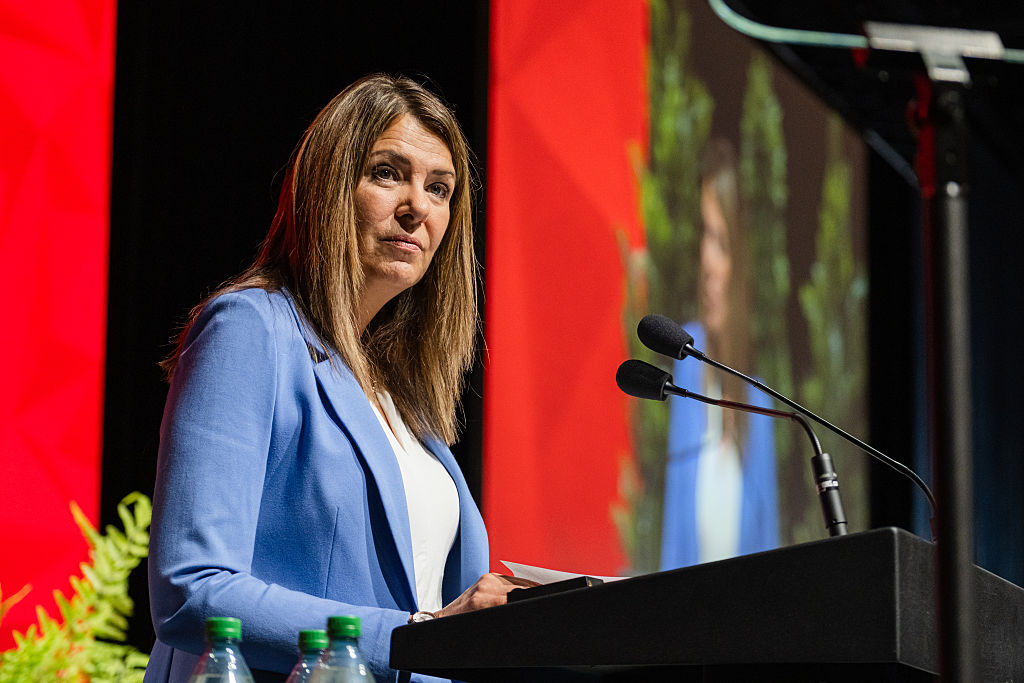
Alberta’s vote to stay in Canada was predictable. But the political tensions the referendum represented haven’t been fully exorcized by the vote to remain. (John Diep / Bloomberg)
No country treats referendums as less definitive than Canada. Two sovereignty referendums in Quebec have not totally put to bed the independence question in la belle province, and in spite of declining referendum support, the new Parti Québécois government is promising a third when Donald Trump leaves office. Voters rejected a set of constitutional amendments known as the Charlottetown Accord in 1992, but constitutional issues continue to fester with no federal government willing to touch them.
This history matters when considering Alberta’s recent referendum. On the surface, the repudiation of Albertan independence was decisive, with 75.05 percent voting for Alberta to remain a province of Canada instead of beginning the legal process toward a binding referendum on separation. But voters also answered nine other questions, covering immigration, proof of citizenship to vote, and constitutional reform. The four immigration questions passed with between 52 and 54 percent. The proposal to require proof of citizenship to vote also passed, with about 58 percent.
Even with Alberta staying, Alberta Premier Danielle Smith could face a political reckoning reminiscent of UK Prime Minister David Cameron’s after Brexit. To appease Euroskeptics in his party, Cameron called the referendum, campaigned to stay in the European Union, and resigned when voters chose to leave. Both leaders gave their parties’ right wings a vote on a demand they hoped to contain. Cameron’s experience shows how such a vote can spiral out of control, empowering the very forces a leader hopes to manage and having lasting political effects long after the votes are counted.