Is There Life After AI? Cory Doctorow Thinks So.
Cory Doctorow talks to us about the internet, whether machines are conscious, why copyright maximalism won’t save us from ChatGPT, and why workers still have a chance to shape what comes next.
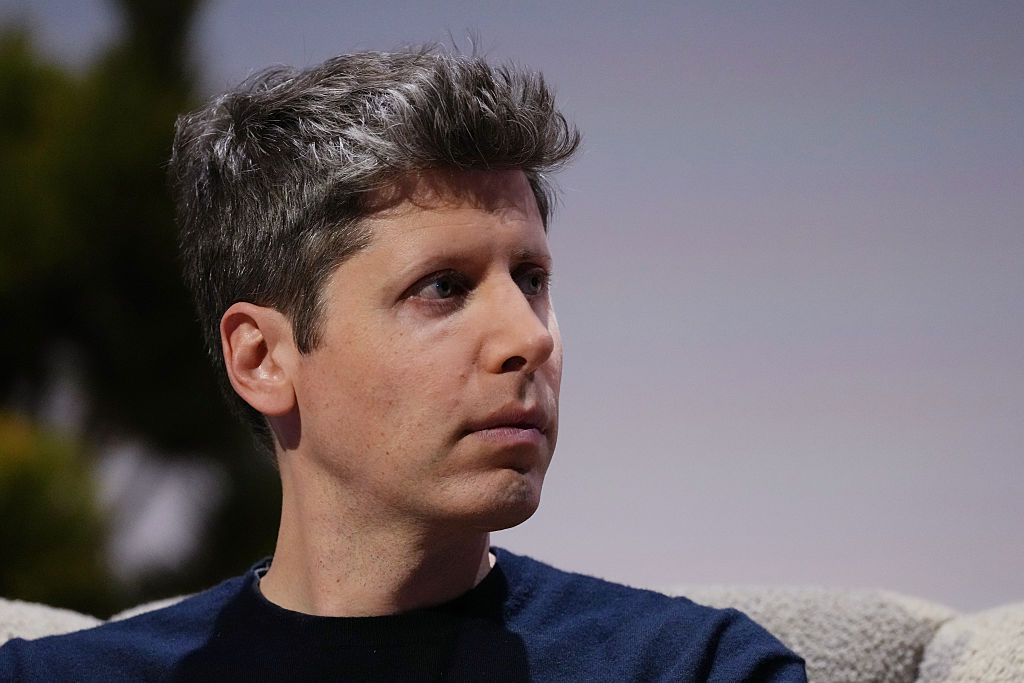
Cory Doctorow on AI’s appeal to finance capital: “When you swap expertise for money, you don't need to convince the only pharmacologist who understands some narrow area to come work for you. You can just throw money at the problem.” (David Paul Morris / Bloomberg)
The artificial intelligence boom is fueled by an elite wager that software can supplant expensive human expertise. The tech industry and its investors are pumping hundreds of billions of dollars into the technology — Goldman Sachs forecasts that global AI-related investment will soon exceed $1 trillion. At the same time, government regulatory regimes are inadequate and consumer use cases often vague, misleading, or utterly counterproductive.
The economics of AI don’t make sense unless one factors in what its backers hope to gain: a way to displace workers. In his most recent book, The Reverse Centaur’s Guide to Life After AI, Cory Doctorow explains how people have become tools of the machines and the capitalists who own them.
Doctorow recently spoke to Jacobin to discuss the rise of AI, the financial conjuring tricks behind the boom, the copyright fight, what it all means for workers — and why the answer to AI doomerism lies in building workers’ rights and public power.