Who Monitors the UAW’s Federal Monitor?
Shawn Fain’s reform administration in the United Auto Workers now finds itself locked in conflict with a federal anti-corruption monitor that Fain says is overstepping his bounds — including in opposing the union’s stance against Israel’s genocide in Gaza.
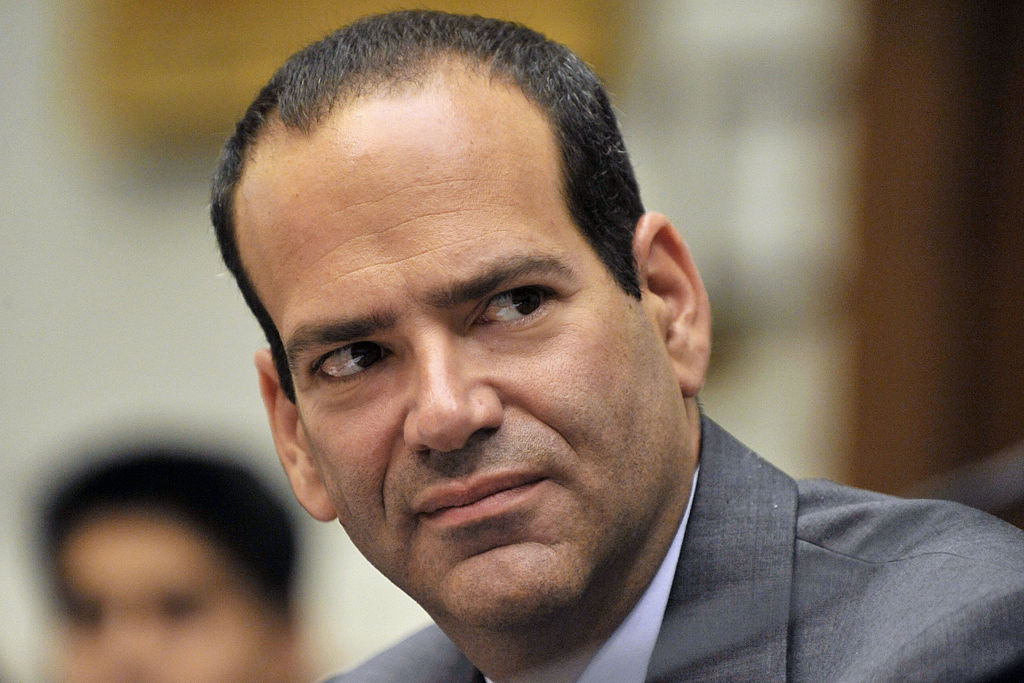
Neil Barofsky arrived at the UAW with a well-developed philosophy of oversight and no experience with unions. (Jay Mallin / Bloomberg via Getty Images)
The central questions confronting the United Auto Workers (UAW) are no mystery: Can the union organize the nonunion auto industry, particularly across the South? Can it bargain contracts that reverse decades of concessions? Can it rebuild the kind of shop-floor power that once made the UAW the country’s most influential industrial union? Those were the questions that propelled Shawn Fain and the Unite All Workers for Democracy (UAWD) reform caucus into office in 2023, and they remain the standard by which the administration will ultimately be judged.
Over the past two years, however, another conflict has increasingly intruded on that project. It is a growing fight over the role of the federal monitor installed after the UAW’s corruption scandals under previous union leadership — and whether an office created to investigate corruption has gradually assumed a much broader place in the internal political life of one of the country’s most important unions.
Until this week, much of that conflict had played out inside the union itself. Publicly, those at the center of those disputes said little, as criticizing the federal monitor risked becoming part of the record assembled by the very office whose authority they increasingly questioned.