Remembering the Diggers
Though often forgotten, the Diggers of the English Revolution were egalitarian radicals well before their time. No account of socialist history is complete without them.
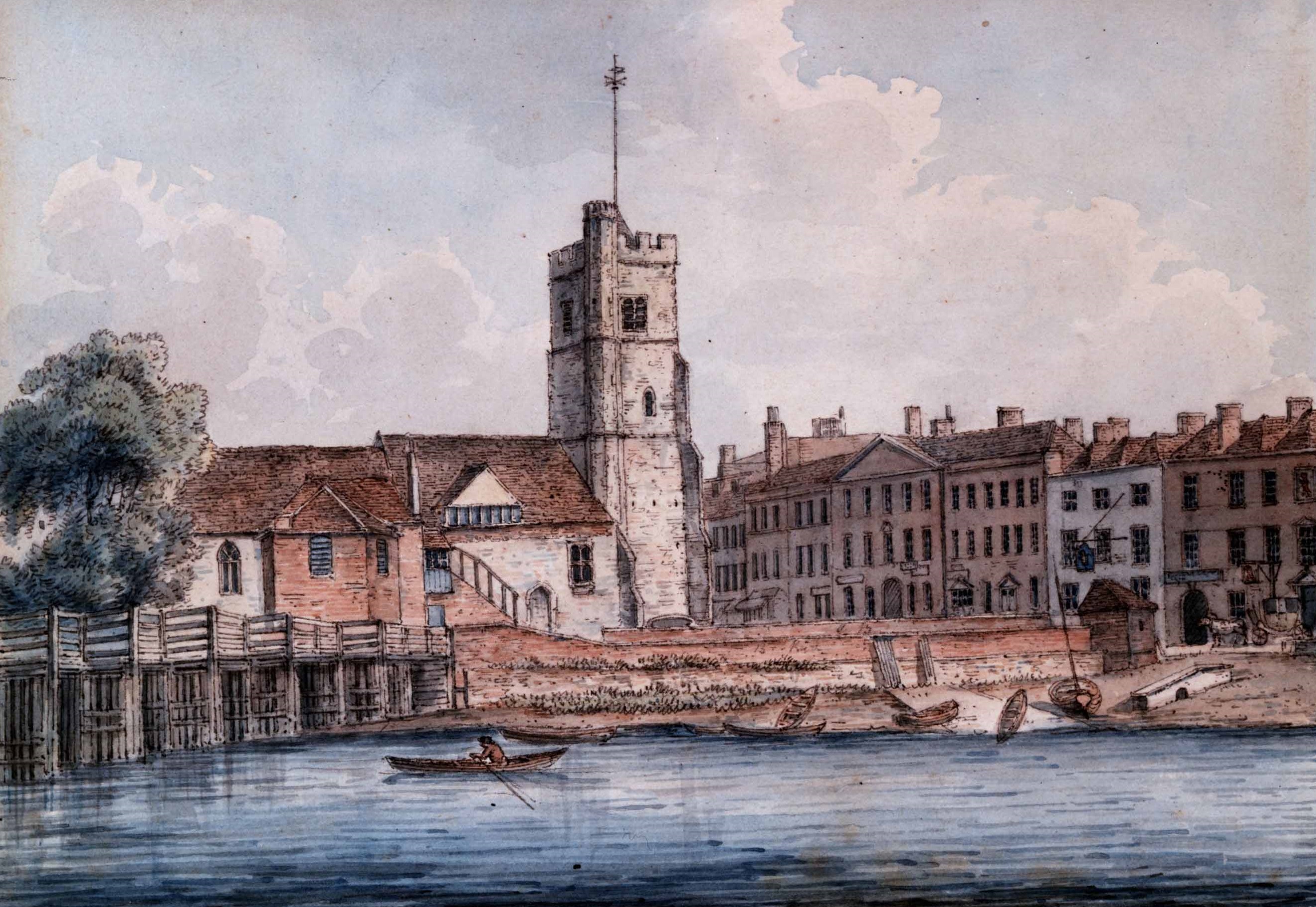
St Mary’s Church, Putney.Mike Bull Collection
In 1647, a colonel in the English New Model Army stood beneath the granite tower of Putney’s Church of St Mary the Virgin, and declared in the heat of debate that “the poorest he that is in England hath a life to live, as the greatest he; the poorest man in England is not at all bound in a strict sense to that government that he hath not had a voice to put himself under.” When Thomas Rainsborough made this statement of democratic principle, it would be two years until the king would find himself upon the scaffold, six years until Oliver Cromwell would betray the last vestiges of that revolutionary possibility, and thirteen years until the executed monarch’s son would return to the throne in “Restoration.”
For a brief period during those violent years — variously called the English Civil Wars or the English Revolution, depending on your political convictions — partisans of the so-called Leveller cause advocated for unheralded reforms. It was a time, as the Marxist historian Christopher Hill wrote, that saw “a great overturning, questioning, revaluing of everything in England.”
From the late summer of 1647 until the early winter, Cromwell convened a gathering of officers from the New Model Army at Putney to debate the details of a proposed written English constitution known as “An Agreement of the People.” A fundamentally conservative man (which is to say an authoritarian one), Cromwell organized the discussion in part to stave off a political threat from the Left.