What Viktor Orbán’s Downfall Hasn’t Settled
In Hungary’s election, Péter Magyar rallied urban white-collar workers, business figures excluded from state patronage networks, intellectuals, and youth. It’s much less clear that his new government can satisfy all these groups’ expectations.
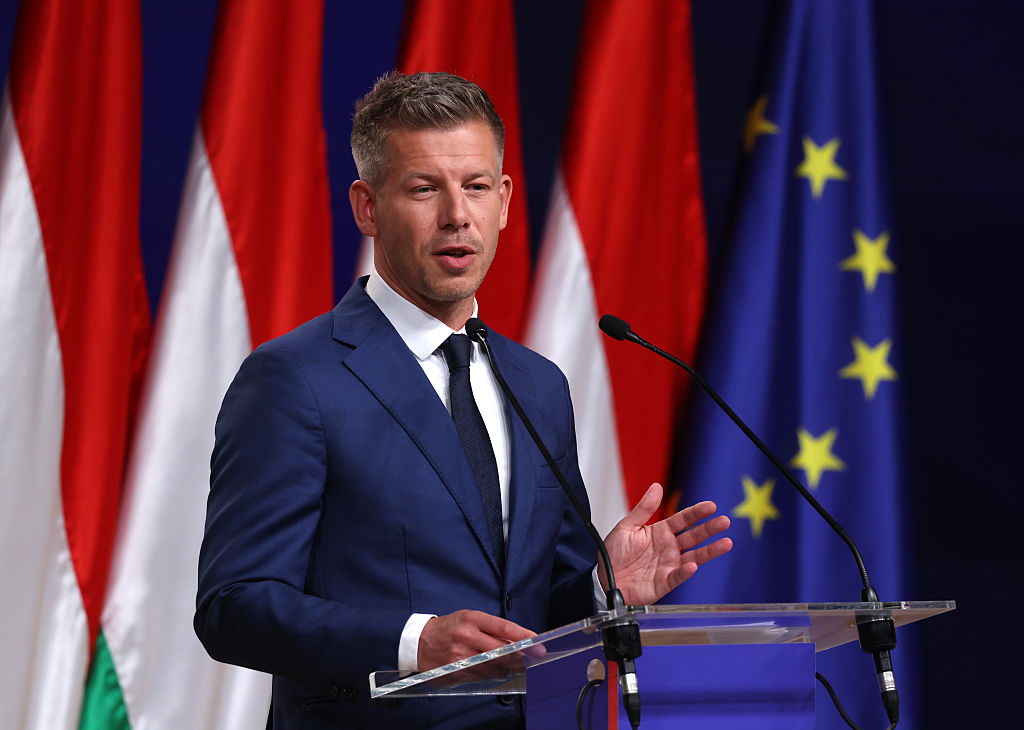
Now entering government, it’s unclear how Péter Magyar’s Tisza can revive the economy. The Left remains weak, and Viktor Orbán’s party may again posture as the voice of working-class frustration. (Sean Gallup / Getty Images)
Péter Magyar’s Tisza party has won a two-thirds supermajority in Hungary’s 199-seat parliament, built on nearly 80 percent turnout, the highest since the fall of state socialism. With some expatriate ballots still being counted, Tisza holds 140 seats to Fidesz’s 53, marking the end of Viktor Orbán’s self-styled “illiberal” rule.
Some analysts now suggest that Orbán’s government cannot have been truly authoritarian if it could be voted out this cleanly. That misses the point. What enabled change was not the mildness of his rule but a rare convergence of pressures: geopolitical isolation, economic malaise, moral crisis, and a disciplined challenger who mobilized previously passive citizens while sweeping aside other, discredited opposition forces.
But the deeper question is what exactly this result has broken. This was not the defeat of a government that had simply outstayed its welcome. It was the breakdown of a political settlement that had seemed, until recently, both electorally durable and socially entrenched. What broke on April 12 was Orbánism’s capacity to organize consent: across classes, across regions, and above all across generations.