Corporate Consolidation Fuels the Decline of Skiing
Most ski resorts operate on vast swaths of land owned by the public. So why has skiing become such a cost-prohibitive pastime for most Americans?
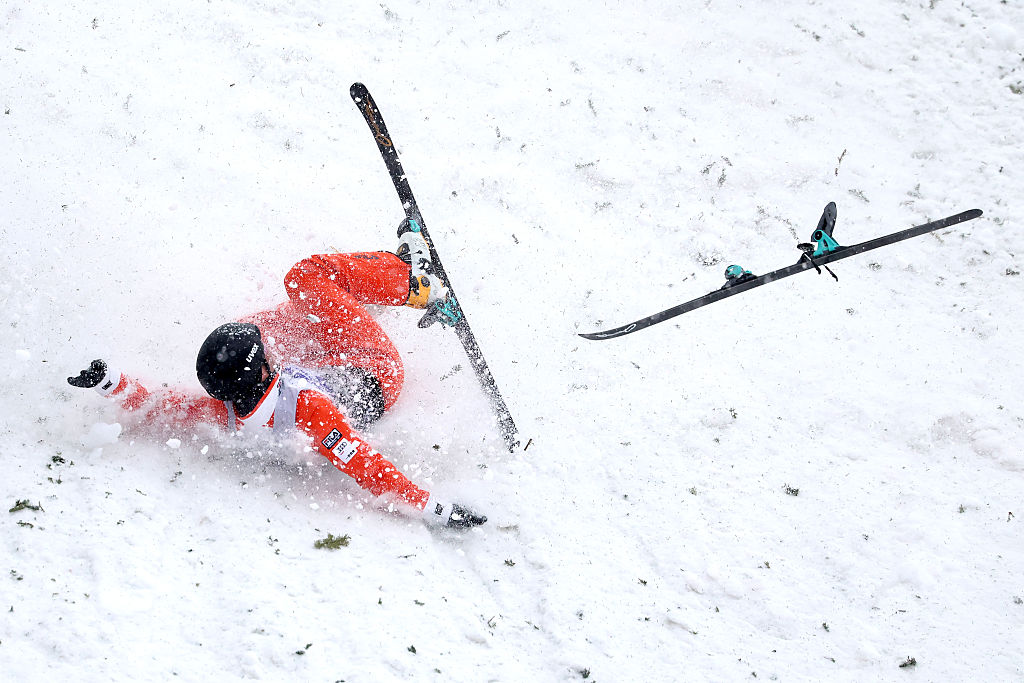
Skiing was not always perceived as, and was not in fact, an activity reserved for elites. Fifty years of corporate consolidation have, however, made it so. (Al Bello / Getty Images)
Skiing, more than ever before, has become a pastime for the elite. Single-day lift tickets at popular resorts now regularly exceed $300, prices that haven’t fallen even as ski slopes in the West suffer through a historically dry season. That’s likely because many resorts have already locked skiers into season passes like the Epic Pass and Ikon Pass that can cost $1,000 or more up front, regardless of weather conditions.
Two main operators behind those passes, Vail Resorts (Epic) and Alterra Mountain Company (Ikon), run dozens of resorts nationwide, allowing them to raise prices with impunity. The companies have also consolidated resort-adjacent lodging, food, retail, and transportation into captive-market moneymaking machines that can cost visitors thousands of dollars per day.
The resulting mountain destinations have become twenty-first-century company towns, decimating public lands and punishing employees who complain of profit gouging with not just termination, but banishment from the slopes.