The Peaky Blinders Film Ratchets Up the Gloom and Black Humor
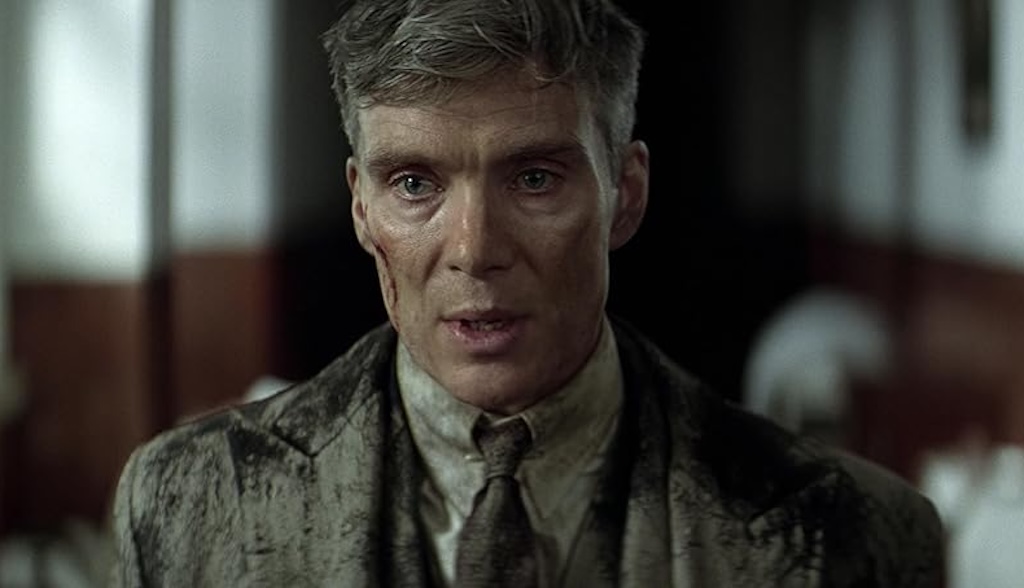
Cillian Murphy turns Peaky Blinders: The Immortal Man into a fog‑soaked reckoning with violence, class, and the ghosts that built Tommy Shelby.

Cillian Murphy turns Peaky Blinders: The Immortal Man into a fog‑soaked reckoning with violence, class, and the ghosts that built Tommy Shelby. (Netflix / BBC Film)
The power of the Netflix movie Peaky Blinders: The Immortal Man, hangs off the haunted cheekbones of Cillian Murphy, so of course it’s doing very well. The hit film functions as a final send-off to Murphy’s antihero Tommy Shelby of the long-running BBC-to-Netflix series Peaky Blinders, which became a global phenomenon. Tommy began the series as a World War I veteran returning home to the mean streets of Birmingham, England, imbued with violence and trauma and ready to channel it into heading up the Peaky Blinders, an Irish-Roma gang that eventually rules the streets as a formidable criminal enterprise that crosses over into powerful political status as well.
By the time of The Immortal Man, it’s 1940, and middle-aged, world-weary Tommy Shelby has done so many heinous things; he’s abandoned the Peaky Blinders and retreated to his decaying manor house with only his loyal aide-de-camp Johnny Dogs (Packy Lee) for company. There Tommy writes his morbid memoirs and sees the ghosts of his familial dead all over the house and grounds.
The older Tommy gets, the more beautifully haggard he looks. It’s hard to think of more romantic shots than Cillian Murphy as Tommy encountering reproachful spirits in the foggy countryside. Those desponding lake-blue eyes and all.
Meanwhile, Nazis are trying to conquer England, through bombing raids and other more insidious schemes via their turncoat representative in the UK, cynical Brit agent John Beckett (Tim Roth). He’s got a plan to flood the British monetary system with counterfeit currency, and he finds a willing accomplice in Tommy’s estranged son Duke Shelby (Barry Keoghan), who’s running the Peaky Blinders with nihilistic abandon. Everyone agrees that no one can bring loose cannon Duke into line but his father, the ultimate gangland tough, Tommy Shelby.

But who can bring Tommy back from his ghost-ridden limbo?
Tommy’s sister Ada Thorne (Sophie Rundle), now serving in his old political seat as MP for Birmingham South, gives it a go. So does Kaulo Chiriklo (Rebecca Ferguson) the Roma twin sister of Tommy’s late, lamented love Zelda Chiriklo (also Ferguson). It takes a lot of persuasive force from the living and the dead, especially the canny witchery of Kaulo, before Tommy finally puts on his fedora and goes to town looking for Duke. It’s quite an electric scene when he’s confronted in a bar by beefy Brit soldiers who don’t recognize the man they’re messing with. “Who the f-ck is Tommy Shelby?” is a recurring line in the film that must be answered here.
Can thin, quiet Cillian Murphy pull it off, this scene in which he stands alone, hat pulled over his eyes, surrounded by big would-be toughs yet generating a growing shock wave of fearful tension all around him, before he takes care of business in his usual lethal fashion? He does it almost effortlessly. That’s why they pay Murphy the big bucks and give him so many awards.
Barry Keoghan is excellent casting as Tommy’s wild-card son, who can pull off the same stunt of being small in stature while radiating a scary force field of unpredictable menace. And nobody looks more authentic as an old-time working-class tough in a flatcap than Keoghan. The casting and performances in Peaky Blinders are uniformly excellent, and the presence of powerful women such as Ferguson’s Roma sisters finding ways to exert their authority is rare and welcome.

It’s a shame that Paul Anderson as Arthur Shelby Jr, Tommy’s volatile brother, was killed off as a way of writing him out of the film because Anderson was busted on drug charges in 2024. Anderson seemed to take it philosophically, saying “Well, what can you do, eh? It is how it is. I thought I’d just leave them to it.”
But Arthur, a rumored suicide, has an important role to play in flashbacks that explain Tommy Shelby’s almost paralyzing despair. Really, this primness about drug use is just damn silly in this day and age.
The brooding atmosphere of The Immortal Man continues but also intensifies the miasma of gloom shot through with black humor that enfolded the series, which is right considering the way it functions as an existential referendum on Tommy Shelby as he comes to the end of his rocky road in life. The questions posed are: Can the exhausted Tommy take control again in time to save his son, his gang, and even, ironically, the Nazi-bedeviled nation? (Of course he can.) And further: Can he ever find peace in this world? (Of course he can’t.) And though the film provides many charged moments and inventive scenes of violent action, really the essential drama is playing out in Cillian Murphy’s arresting face. It’s hard to say farewell to that face in that role.
But it turns out that the movie doesn’t represent the end of Peaky Blinders, just “a fitting end to the first chapter,” according to show creator Steven Knight. The two-season Netflix spin-off is already in production, focusing on the roiling power struggles in bombed-out 1950s Birmingham as the Shelby crime family fights “to own Birmingham’s massive reconstruction project” after World War II. It appears that Barry Keoghan will be back as on Duke Shelby.
And who knows what ghostly appearances Tommy Shelby might make to the troubled son trying to fill Tommy’s big, blood-soaked shoes?