In Media MergerMania 2025, We All Lose

Whoever comes out on top of the scramble to gobble up Warner Bros. Discovery, media consumers will lose out as a smaller and smaller number of rich people determine what our media looks like.
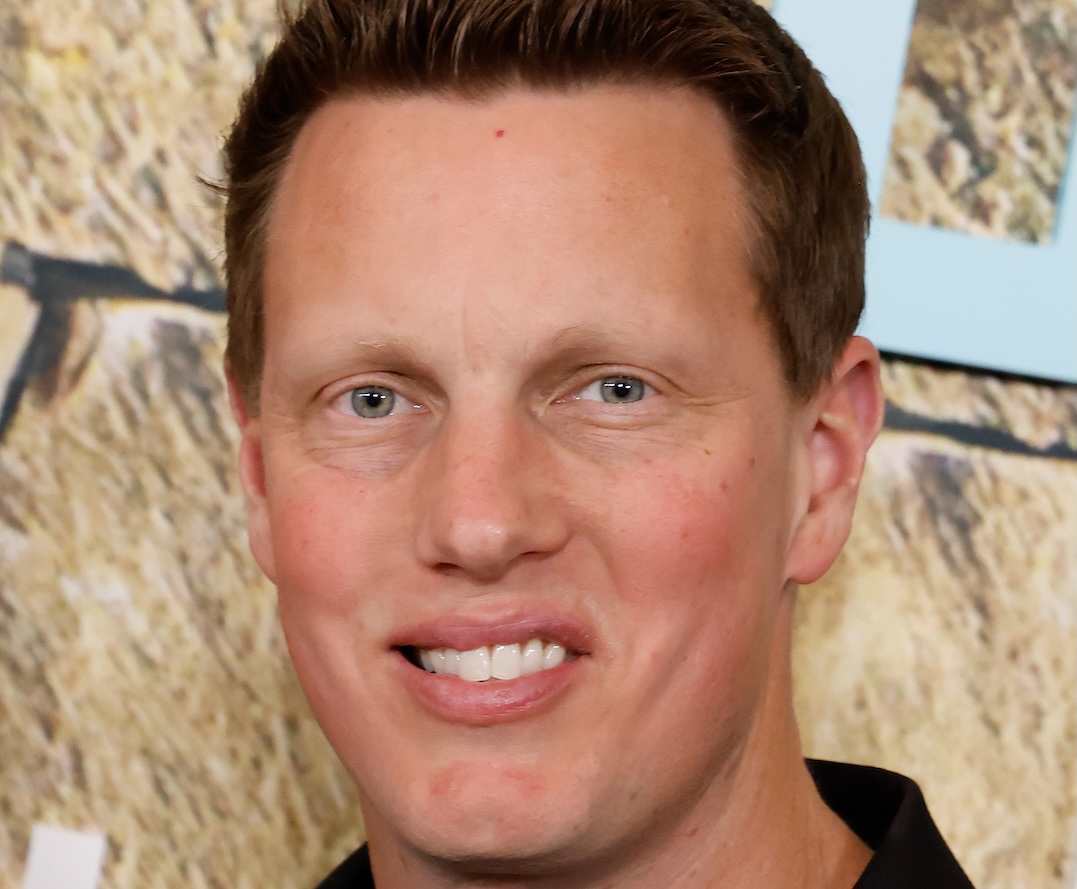
Having already trashed CBS after the Paramount-Skydance merger was approved just a few months ago, David Ellison is now pledging to make “sweeping changes” to CNN if he takes over Warner Bros. (Taylor Hill / FilmMagic)

On December 5, Netflix announced an $82.7 billion merger agreement with Warner Bros. Discovery, the media behemoth that owns everything from CNN and HBO Max to the Harry Potter films and Hanna-Barbera cartoons. The deal would combine the number-one and number-four streaming platforms and give the former DVD deliverers control of a massive library of content.

But Paramount Skydance, the other giant — behind Top Gun, SpongeBob SquarePants, and CBS — wants Warner too. So three days later, the jilted suitors launched a hostile takeover, going straight to Warner’s shareholders with a $108.4 billion offer to buy not just the streaming business but the cable networks like CNN and TNT too.

Coverage of this massive wave of media consolidation is treated like pro wrestling, with dueling CEOs undercutting and outmaneuvering each other. It’s a tag-team fight, The K-Pop Deal Hunters vs. The Nepo Boss Babies, with a crooked ref in the middle holding his palms out ready to be greased.

It’s too early to predict a winner in this heavyweight rumble, but we already know who the losers will be: artists, filmmakers, workers, writers, and the rest of us in the audience.

In this bout, there are no heroes, only heels.

Highway to (H)Ellison

The obvious villain here is David Ellison, scion of Oracle bazillionaire Larry Ellison, whose entire case to shareholders and analysts boils down to “Donald Trump likes us better.” Having already trashed CBS after the Paramount-Skydance merger was approved just a few months ago, Ellison is now pledging to make “sweeping changes” to CNN if he takes over Warner Bros.

At CBS, merger approval meant paying off Trump’s specious lawsuit over editing of an interview with former vice president Kamala Harris, installing a conservative “bias monitor,” and hiring billionaire whisperer and Israel Defense Forces enthusiast Bari Weiss. Among CNN staff, the expectations of an Ellison takeover range from “shit show” to “bloodbath.”

The real prize here for Paramount is Warner Bros’ streaming and movie studios, killing competition for major film productions and theatrical releases, in an already highly concentrated market where Disney recently swallowed Fox and Amazon captured MGM. This alone warrants intense antitrust scrutiny, not just from the federal government but states like California and likely European regulators too.

Ellison isn’t just spending daddy’s money. He’s floating the deal with at least $24 billion from Saudi, Qatari, and Emirati wealth funds and, in a deliciously corrupt twist, an investment from Trump’s son-in-law, Jared Kushner.

As if we didn’t have enough problems already with the corrosive power of billionaires in our domestic politics and national media, this could make things so much worse. Saudi Arabia ranks 162nd out of 180 countries in Reporters Without Borders’ global press freedom index — and they’re attempting to excuse and erase their atrocities, including the murder and dismemberment of journalist Jamal Khashoggi.

The Saudis are trying to whitewash their image by spending lavishly on golfers, soccer players, comedians, and even YouTubers. Whether or not Mohammed bin Salman or his minions sit on the board of the Ellisons’ new company (which they won’t, to avoid Treasury Department scrutiny), they will have great interest in and possibly undue influence over newsroom and studio decisions.

Is Netflix Much Better? Not So Quickster

Shaky financing and shady politics are reportedly among the reasons why Warner Bros. leadership rejected Paramount’s bid in favor of Netflix’s deep pockets and favorable credit ratings. Netflix isn’t buying the cable channels, which is some solace. But the networks would be split off into a separate company with an uncertain future, meaning a Trump crony could still buy and ruin CNN.

None of that means the Netflix takeover is a good idea. While thus far, ​​Netflix hasn’t bowed and scraped to Trump like Paramount and other major media, that was before it had a multibillion-dollar deal pending. CEO Ted Sarandos’s main deal-selling argument to Democrats is “at least we’re not the Ellisons.” We don’t know what he promised Trump on recent visits to Mar-a-Lago and the White House. Yet another movie deal for Melania, perhaps?

As it stands, the Netflix–Warner Bros. combo “is pretty much the textbook definition of lost competition,” Columbia University law professor and former White House official Tim Wu wrote this week in the New York Times. This is why antitrust laws exist: to prevent the kind of near-monopoly power that would give one firm this much control over production and prices.

While that $17.99 you’re already paying every month for Netflix is likely to rise, don’t expect better new content or more choices. The “golden age of TV” in the early twenty-first century was the product of a more competitive media landscape. Multiple channels and streamers trying to find audiences leads to more risk-taking, creativity, and opportunity for diverse voices to get their shot. This deal is moving in the opposite direction.

For all the problems with corporate media, places like HBO and Netflix took chances on new talent and different viewpoints. If you were a documentary filmmaker, you used to be able to shop your movie to HBO, Netflix, and PBS too. Between defunding and consolidation, there might soon be only one option in town, and they won’t be very interested in taking a chance on a new voice or anything remotely controversial.

This level of concentration proposed in the Netflix deal isn’t just shocking. Just like the Paramount version of the deal, it should be illegal. That is assuming someone wants to enforce the law.

The Trump Card

Unfortunately, the only competition Trump is interested in is desperate media executives vying for his approval and attention.

When asked last Sunday about the merger while literally standing in front of a CBS logo at the newly Trumpified Kennedy Center Honors, the president promised, “I’ll be involved in that decision.”

So far, Trump is noncommittal — or at least he’s playing both sides. One day, he says a Netflix deal “could be a problem” because of its size; the next he’s blasting Paramount for allowing 60 Minutes to air an interview with MAGA apostate Marjorie Taylor Greene. The message is clear: Trump is open for business. And flattery and bribery will get you everywhere.

“As dangerous as the economic fallout could be, it is not what scares me most,” activist and actor Jane Fonda wrote recently in the influential Hollywood newsletter the Ankler. “What terrifies me — and should terrify anyone who cares about a free society — is how this administration has used anticipated mergers as tools of political pressure and censorship.”

Once upon a time, corporate lobbyists would have at least pretended to make a public-interest case for a mega-deal like this. Now it’s all about fluffing up Trump’s ego and lining his family’s pockets.

In the Trump era, corporate media executives have been all too willing to sacrifice anything and everything — except their bloated compensation packages — to get deals done. They’ll abandon their journalists, censor their stars, deep-six every diversity program, slant their coverage, and pay bribes thinly disguised as legal settlements to get ahead. But the reality is that these deals are bad for business too.

Mega Problems

“Netflix or Paramount?” isn’t the only choice here, and it’s the wrong question to ask. A better one: Do media mega-mergers like this ever do anything good for anyone who isn’t a mergers and acquisitions (M&A) lawyer or investment banker?

As the Writers Guild of America said in October when this latest bidding war began, “Merger after merger in the media industry has harmed workers, diminished competition and free speech, and wasted hundreds of billions of dollars.”

The path to this mega-deal was paved with one failure after another. Look how we got here: Time Warner bought Turner. Time Warner bought AOL, then the dot-com bubble burst, and Time Warner split from Time Warner Cable. Then AT&T bought DirecTV and Time Warner, had no idea what to do with any of it, and spun out Warner Bros. to Discovery.

Warner Bros. has been at the center of three of the biggest media mergers of all time — and for what? As Fonda writes, these mergers have just resulted in “fewer jobs, fewer opportunities to sell work, fewer creative risks, fewer news sources, and far less diversity in the stories Americans get to hear.”

We must change the narrative around these deals, which have such huge implications for what we watch and read every day, for our ability to express ourselves freely, and for the future of this democracy. If this is just a business story — or a wrestling one — then this merger will go through.

Then inevitably, after firing thousands of workers and killing off untold numbers of creative projects, the new bloated company will collapse under its own debt-laden weight. And we’ll be told again that the only answer is more consolidation, more concentration, yet another mega-deal. But it doesn’t have to be this way.

Instead, if we instead widen the lens and tell the stories of the thousands of workers at risk, harness the creativity of those being stifled and silenced by consolidation to fight this merger, and start tapping into fan culture and the power of all those people in the audience who want good stories and trustworthy journalism — in other words,  if we speak out, mobilize and raise the political cost of rubber-stamping this deal — we can not only stop this merger but start building the media system we actually need.