The Afroman Ruling Is a Victory for Artistic Speech
Seven sheriff’s deputies sued musician Afroman for defamation after he mocked their failed raid in viral diss tracks. His victory comes at a moment when the lines of what constitutes artistic free speech are continually being redrawn.
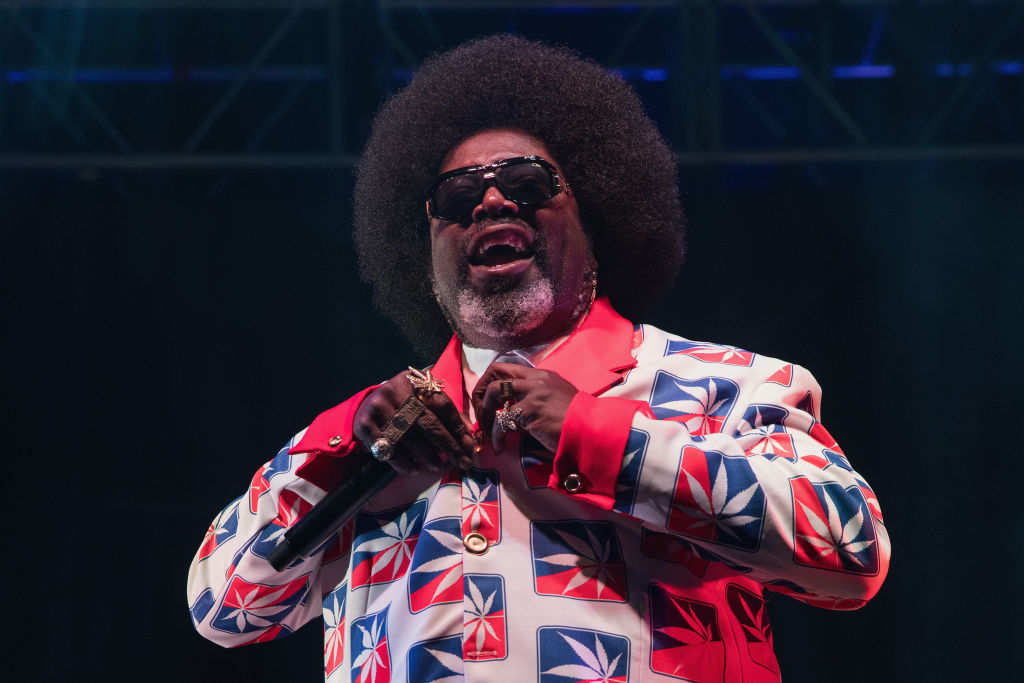
Musician Afroman’s defamation trial was absurd, hilarious, and also one of the clearest free‑speech wins for artists in years. (Rick Kern / WireImage via Getty Images)
On March 18, a jury took six hours to rule entirely in favor of musician Joseph Foreman, better known as Afroman, in a defamation lawsuit brought by seven current and former Ohio sheriff’s officers. The ruling centered on a series of diss tracks recorded by Afroman after the officers raided his home under mistaken circumstances.
The case went viral for obvious reasons. Afroman, clad in a bold American flag suit, issued ardent statements about free speech from the stand and sat back as his ridiculous songs were played in court. His lawyer struggled to pronounce the names of Cardi B and Megan Thee Stallion. An officer soberly testified about how he couldn’t be sure if his wife slept with Afroman — a contention of one of the silly songs.
As memeable as the situation is, the comedy of it shouldn’t obscure the place of the trial in a broader shifting landscape of artistic free speech.