The Triumph and Tragedy of Russian Women
The first decades following the Russian Revolution saw enormous changes in women’s social role, but early promises of liberation were soon stifled. The record of women’s struggle is among the revolution’s most precious legacies.
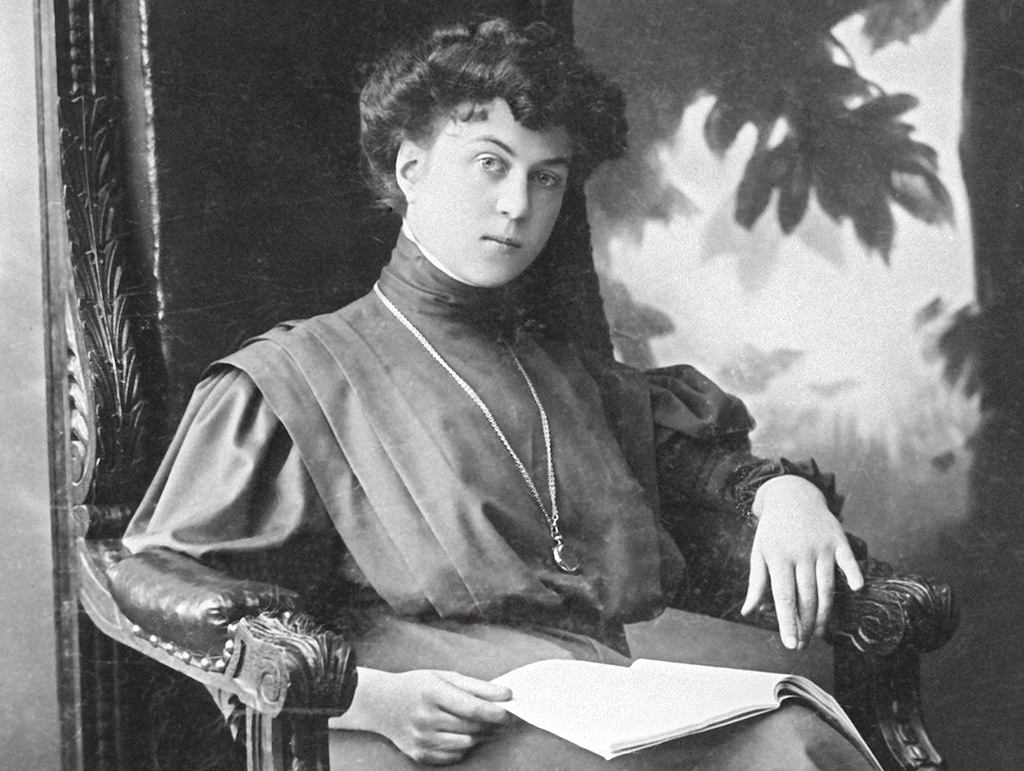
No Western government has even come close to enacting revolutionary politician Alexandra Kollontai’s comprehensive policy. (Fine Art Images / Heritage Images / Getty Images)
Julia Ioffe left the Soviet Union in 1990 at age seven, when her family immigrated to the United States. In her newly released Motherland, the Russian American journalist does a full-on investigation of the pioneering egalitarian movement in 1917 and the revolution’s profound effects on women over the last century. The results are at the same time comprehensive, emotionally jarring, tragic, seemingly petty, and amazing.
Revolutionary
The Bolsheviks ushered in the most revolutionary program of women’s rights the world had ever seen, and they didn’t call it feminism. Importantly, rather than being initiated by a separatist, feminist uprising, like that promoted by activists in the West, the changes came from the newly imposed 1918 Constitution, along with separate decrees issued by Alexandra Kollontai, the first woman in the world to hold a cabinet position.
Kollontai was a brilliant revolutionary. More than a hundred years later, no Western government has even come close to enacting her comprehensive policy. Kollontai’s decrees gave legal rights to the many children that were born out of wedlock after World War I; maternity leave was planned for eight weeks before and after birth; equality was to exist for husband and wife in marriage, divorce, and property ownership.