The Quiet American Captured the Hubris of American Empire
It’s been 70 years since Graham Greene’s novel The Quiet American was published. Greene’s scathing picture of US foreign policy and the men who carry it out enraged American critics, but the history of the last seven decades has vindicated his perspective.
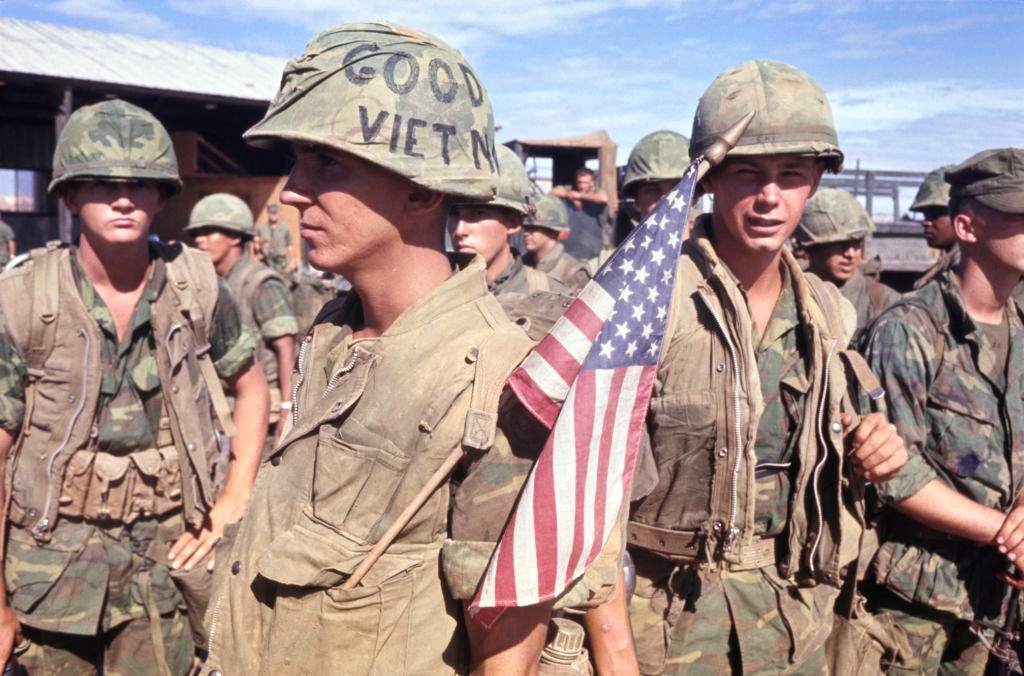
As the American war intensified, the antiwar protest movement adopted The Quiet American as a flagship work. (UPI Color / Bettmann Archive via Getty Images)
In June 1951, British novelist Graham Greene was cruising round the Mediterranean in a luxury yacht, the guest of movie producer Alexander Korda. By mid-month they had reached Greek waters.
“Last night we spent in Epidaurus Bay & went up to the Greek theatre for a concert,” Greene wrote to his American lover Catherine Walston. “First, Mozart’s Jupiter Symphony (which I liked perhaps because a faint idea for an Indochina novel stirred).”
Earlier that year, Greene had visited Indochina — the French colonial fusion of Vietnam, Laos, and Cambodia — to observe the war between France and Ho Chi Minh’s communist-led Vietminh nationalists, then in its fifth year. In Vietnam, the cockpit of the conflict, something unexpected happened to him: “I fell in love,” he later confessed, not with a person but a country.