Why Trump’s Attempt to Bully Brazil Is Falling Flat
In solidarity with the recently imprisoned former president Jair Bolsonaro, Donald Trump levied tariffs of 50 percent on Brazil. He is quickly learning that the US’s influence is weaker than he thought, thanks largely to Brazil’s growing ties with China.
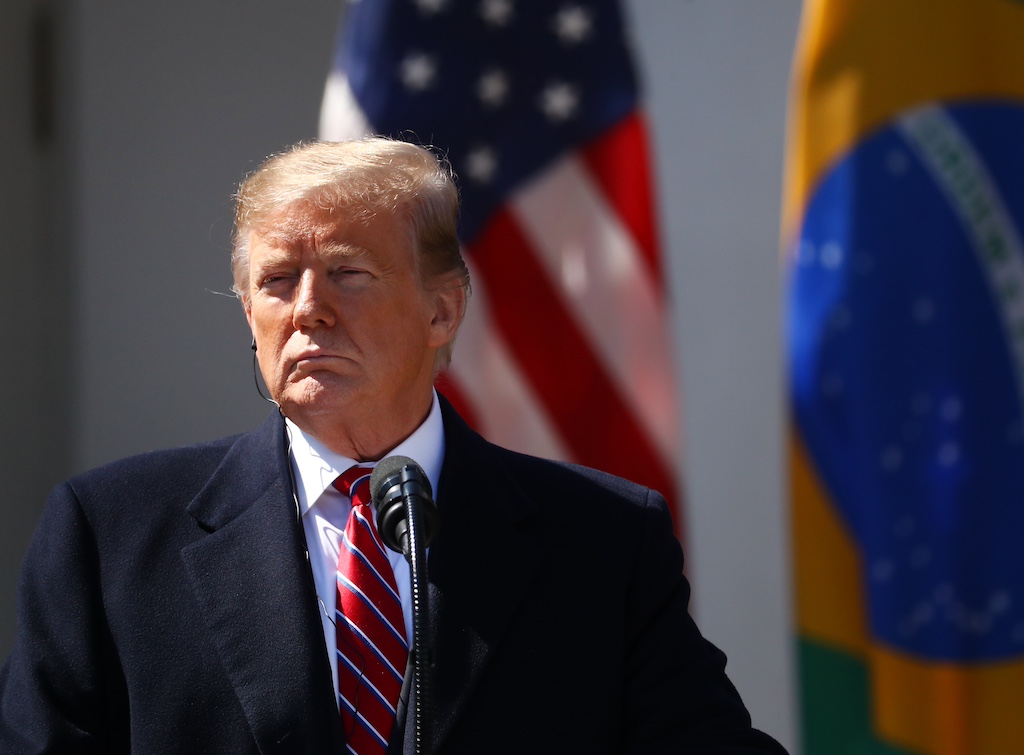
Brazilian president Lula has been cast as the rare Latin American leader willing to answer the Trump administration with steel. (Andrew Harrer / Bloomberg via Getty Images)
At the UN General Assembly, which took place in New York last month, member states normally speak in a carefully determined order based on their level of representation, preference, and geographic balance. But, following long-standing tradition, Brazil — which does not come first alphabetically or even sit on the Security Council — has been the first country to give a speech, followed by the United States. The practice started in the days when almost no country wanted to speak first; Brazil offered to, and the courtesy gradually hardened into tradition. That protocol was suddenly freighted with meaning this year.
For months leading up to the assembly, Washington and Brasília had been locked in a bitter standoff. In July, enraged by the prosecution of his ally Jair Bolsonaro and a Brazilian supreme court ruling, which held social media platforms liable for disinformation, Trump slapped Brazil with tariffs of 50 percent. When President Luiz Inácio Lula da Silva (Lula) took the podium, he began by insisting that Brazil’s democracy is not up for grabs — a strong line that he has publicly maintained since the standoff first erupted.
Then his tone sharpened: he warned of “false patriots” who “plan and publicly promote actions against Brazil,” and reiterated that “our democracy and our sovereignty are nonnegotiable.” Without naming names, Lula managed a single rebuke that cut multiple ways: at Trump’s soft authoritarianism; at Bolsonaro at home, now serving a twenty-seven-year sentence for his own attempt to undermine Brazil’s democratic institutions; and, implicitly, at the former president’s son Eduardo, who pushed Trump to impose tariffs on Brazil and seems eager to take up his father’s mantle.