The Crisis of the Portuguese Left
The Portuguese Socialist Party once seemed to be a model for Europe’s center left, gaining support while its sister parties were in decline. But this year’s election was a crushing defeat that saw the Socialists fall behind the far-right group Chega.
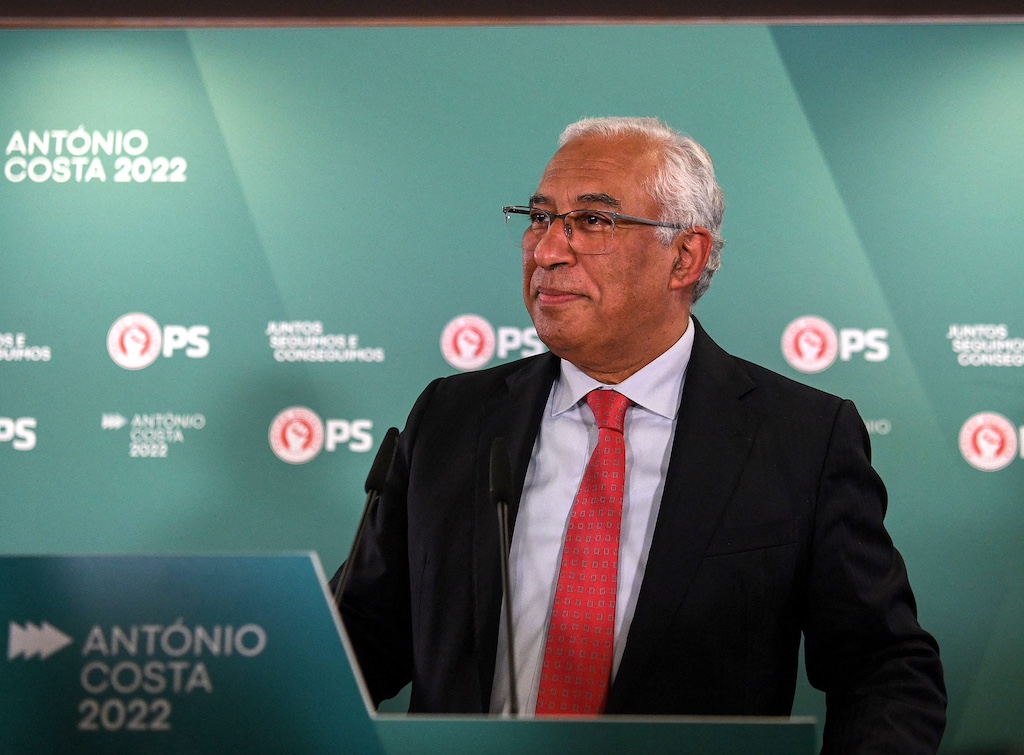
The Portuguese experience played out as a new way to deal with questions of power and government. (Patricia de Melo Moreira / AFP via Getty Images)
Ten years ago, the Portuguese Socialist leader António Costa formed a government with the support of two radical-left parties, the Left Bloc and the Communist Party (PCP). Costa’s government appeared to be a success story for the European center left at a time when most of its parties were losing ground. Portugal also stood out as one of the few West European countries where the far right was still a marginal force.
Costa’s party increased its vote share in 2019, and in the 2022 election, the Socialists even won an absolute majority in parliament. But Costa resigned as prime minister by the end of the following year, and his party went on to lose power after the fourth general election in less than a decade.
Another election this year was a disaster for the Socialist Party and the radical left. With 23 percent of the vote, the Socialists fell behind the far-right party Chega, which is now the second-largest force in parliament. The combined vote share for the Left Bloc and the Communist Party was less than a third of the figure from 2015.