Breaking the Economics Discipline’s Austerity Consensus
Economics departments across the United States slavishly adhere to the mainstream consensus on austerity and the free market. The Center for Heterodox Economics thinks there’s a better way.
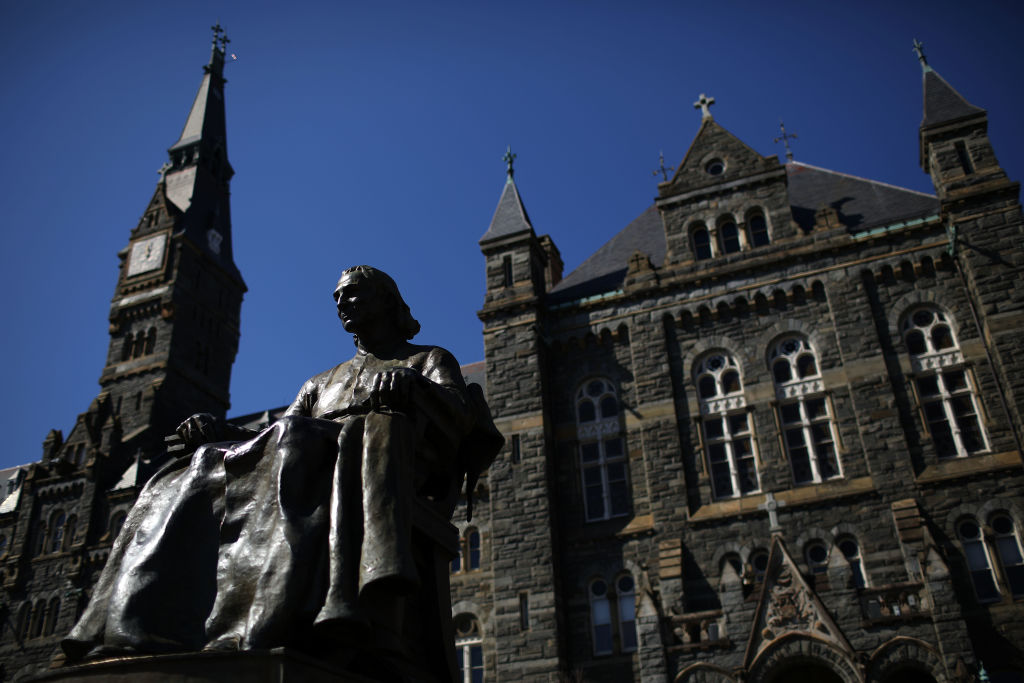
The neoclassical economics tradition, which dominates university curricula and public debate, must be understood as just one paradigm among many. (Win McNamee / Getty Images)
The Donald Trump administration’s early weeks marked a rapid escalation of authoritarian austerity — call it “austeritarianism,” a defining feature of our epoch. The preceding Biden administration also played its part, pouring billions into the war economy while allowing vital federal aid for the most vulnerable to lapse — resulting in a staggering rise in child poverty, almost tripling the number of children in absolute poverty between 2021 and 2023.
Trump is on a mission to dismantle what little remains of the US social safety net: slash Medicaid, gut food stamps, and axe federal aid programs — guided by Project 2025, the Heritage Foundation–backed plan to eliminate support for the poorest Americans. School meals? Gone. Head Start? On the chopping block.
Then came Tuesday, January 28. With the stroke of a pen, Trump froze crucial federal aid, blindsiding state governments, nonprofits, and millions of struggling Americans. The cuts hit everything from heating assistance for low-income families to childhood-development grants, health care, and university funding. A federal judge has temporarily blocked the order, but the message is clear: this administration is determined to defund working-class families, no matter the fallout.