Mark Fisher’s Specters of Scarcity
The ghostly emptiness of capitalist realism obscures the potential for collective joy and abundance. Mark Fisher’s writing offers a glimpse of the possibilities that lie beyond the seeming inevitability of the present.
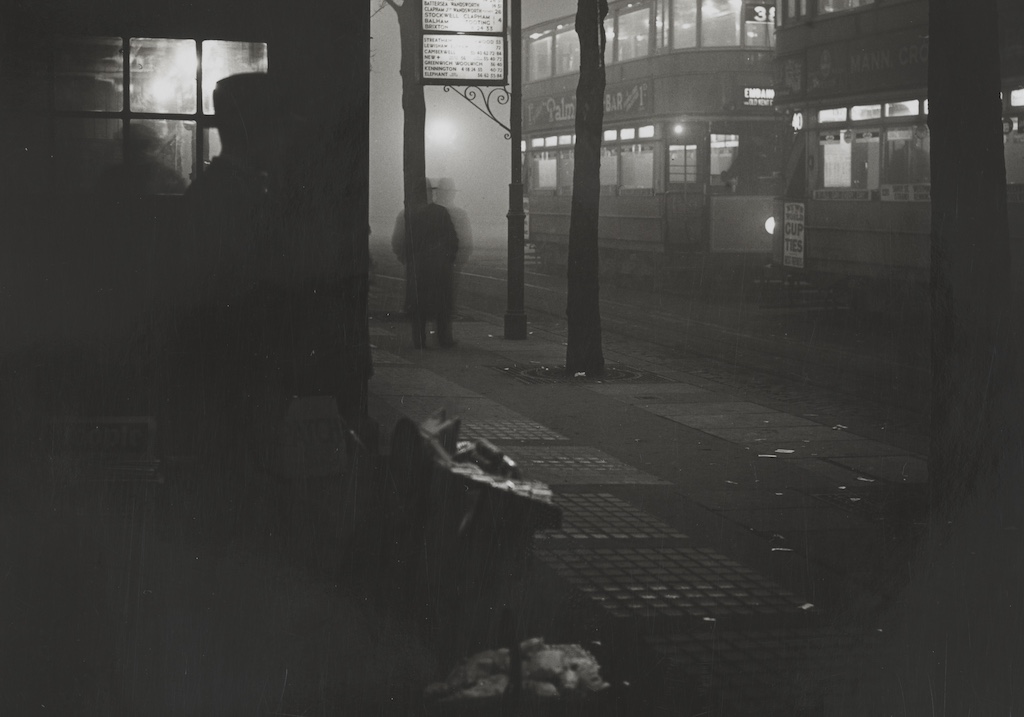
Mark Fisher’s work endures as an antidote to hopelessness. (Daily Herald Archive / National Science and Media Museum / SSPL via Getty Images)
You catch a glimpse of a figure in the mirror across the hall, but when you double back to check, no one is there. Specters linger in empty spaces, creating a dour atmosphere — like the corridors of an old mansion or a pathway through a desolate graveyard. These are classic contexts for a haunting, as is the unnatural hollowness of a Potemkin village.
It’s weird to look at the skyline of a major US city and know that some of those shimmering skyscrapers are completely empty; residential ghost towers serving as mere financial assets in real estate portfolios, haunted by their own vacancy. Likewise, ghosts are known for eerie doubling, like the twins in The Shining, and for unnerving excesses — black swarms of flies, a murder of crows, voices from nowhere. Similarly, it’s odd to wander back behind a big box store, past the loading docks, and find dumpsters full of perfectly edible food, or in-package consumer products, which, apparently, weren’t selling, and are now headed for landfill.
In The Weird and the Eerie, Mark Fisher wrote about how these uncanny feelings gesture toward things outside our perception — something ghostly, defying full description. Veiled and otherworldly, these hauntings point to what Fisher evocatively called “the specter of a world which could be free.”