Israel Is Still the Obstacle to a Permanent Gaza Cease-Fire
The Israeli government spent months obstructing a cease-fire deal in Gaza while the US refused to apply pressure. Israel’s leaders are keen to resume the onslaught while ramping up violence in the West Bank if Washington allows it.
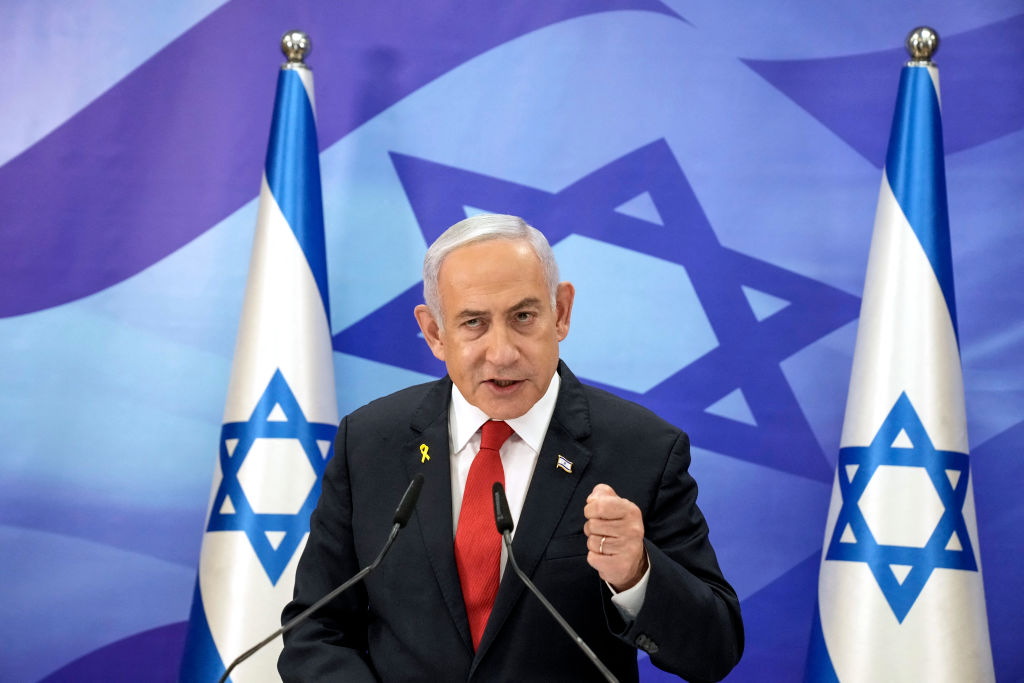
Benjamin Netanyahu speaking during a press conference in Jerusalem on December 9, 2024. (Maya Alleruzzo / AFP via Getty Images)
The first stage of a cease-fire deal between Hamas and the Israeli government has gone into effect, but there is still no guarantee the remaining phases of the deal will be completed, leading to a permanent cease-fire. Benjamin Netanyahu’s far-right coalition partners are pressing for the attack on Gaza to be resumed as quickly as possible.
Akbar Shahid Ahmed, senior diplomatic correspondent of the Huffington Post, is working on a book about the Biden administration and Gaza. He spoke to Jacobin about why this deal came about after months of obstruction from Netanyahu’s government, whether it is likely to be extended, and what the legacy of Gaza will be for the US role in world affairs. This is an edited transcript from Jacobin’s Long Reads podcast. You can listen to the interview here.
Daniel Finn
First of all, were the terms for a cease-fire deal that were agreed this time around fundamentally the same as those that had been rejected by Benjamin Netanyahu on a number of occasions since last May? Secondly, if the terms were fundamentally the same, what changed to make the events of the last week possible?
Akbar Shahid Ahmed