A Return to Gompers
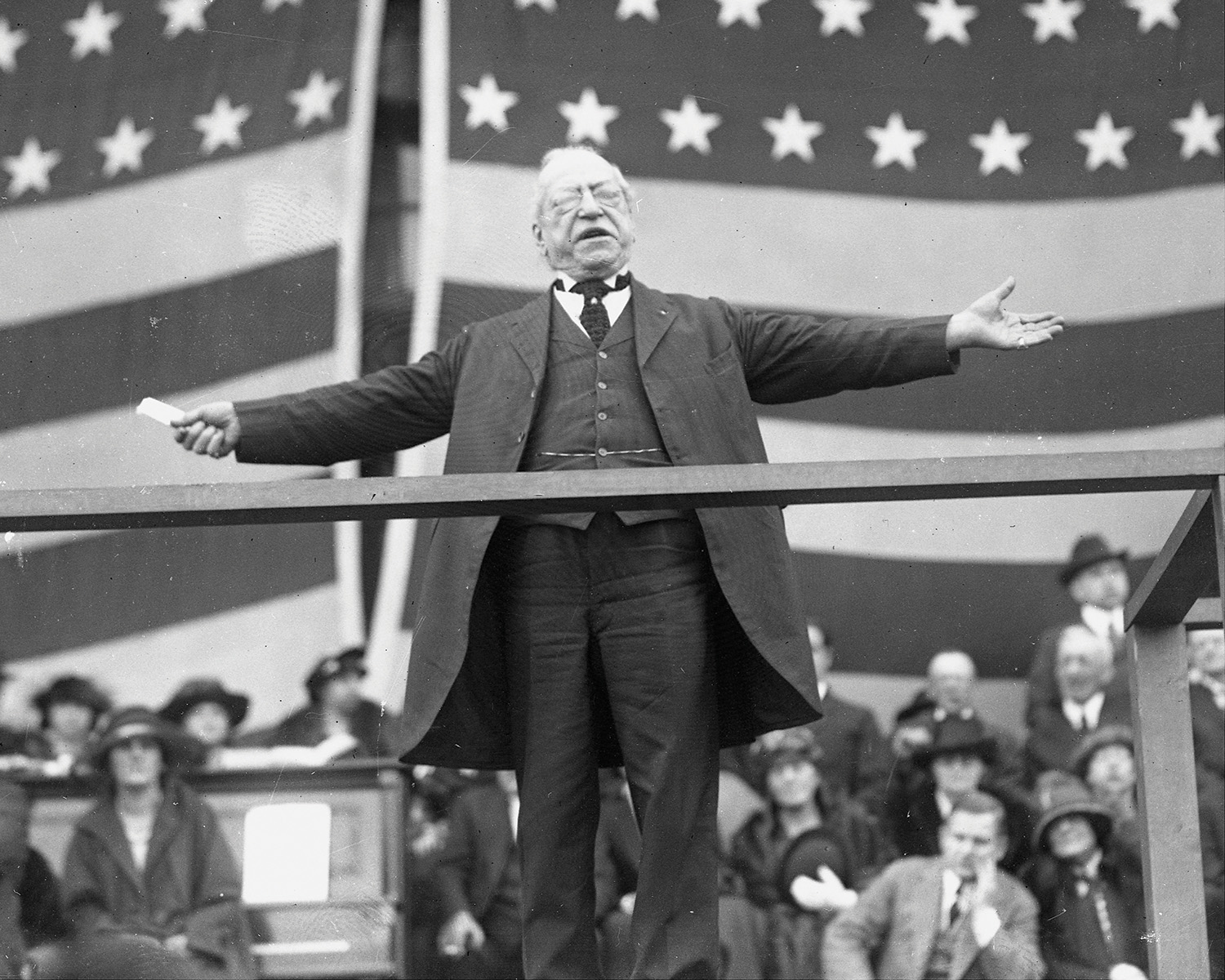
(NY Daily News / Getty Images)
In the middle of July, Teamsters general president Sean O’Brien gave a speech at the Republican National Convention. He declared, “The Teamsters are not interested if you have a D, R, or an I next to your name. We want to know one thing: What are you doing to help American workers?” A day after O’Brien’s address, Josh Hawley, the Republican senator from Missouri, wrote of the virtues of a pro-labor conservatism. He claimed that O’Brien’s speech should be a call to return to the Republican tradition of Theodore Roosevelt — a tradition political scientist John Gerring called “National Republicanism.”
That period in the party’s history might sound similar to the Trumpian tunes of today. Roosevelt, William McKinley, and William Howard Taft called for instituting high tariffs, developing national manufacturing, and rejecting the free-market ideology so closely associated with modern Republicanism. In that era, advocates of free-market theories were seen as cranks whose “knowledge of Political Economy was obtained in the closet.”
In some sense, Hawley isn’t wrong to hearken back to that time. From the 1830s to the 1930s, US politics was characterized by intense and sometimes violent cultural conflict (the fight over Prohibition makes today’s culture warriors seem like peaceniks), a sectional division in the working class (Catholic and Southern white voters supported Democrats, while Protestants and black voters supported Republicans), and a fiery populism that, for all its virtues, could slide into crankery (remember that, not long after his rabble-rousing crusades for the common man, William Jennings Bryan went on to champion biblical literalism in the Scopes trial). Social life at this time was tremendously unequal, violent, and volatile. The richest captains of industry wielded immense power over politics and the media.