Why the Reformation Matters
The Reformation was a fundamental transformation in European society, blending religious disputes with political ideology and class conflict.
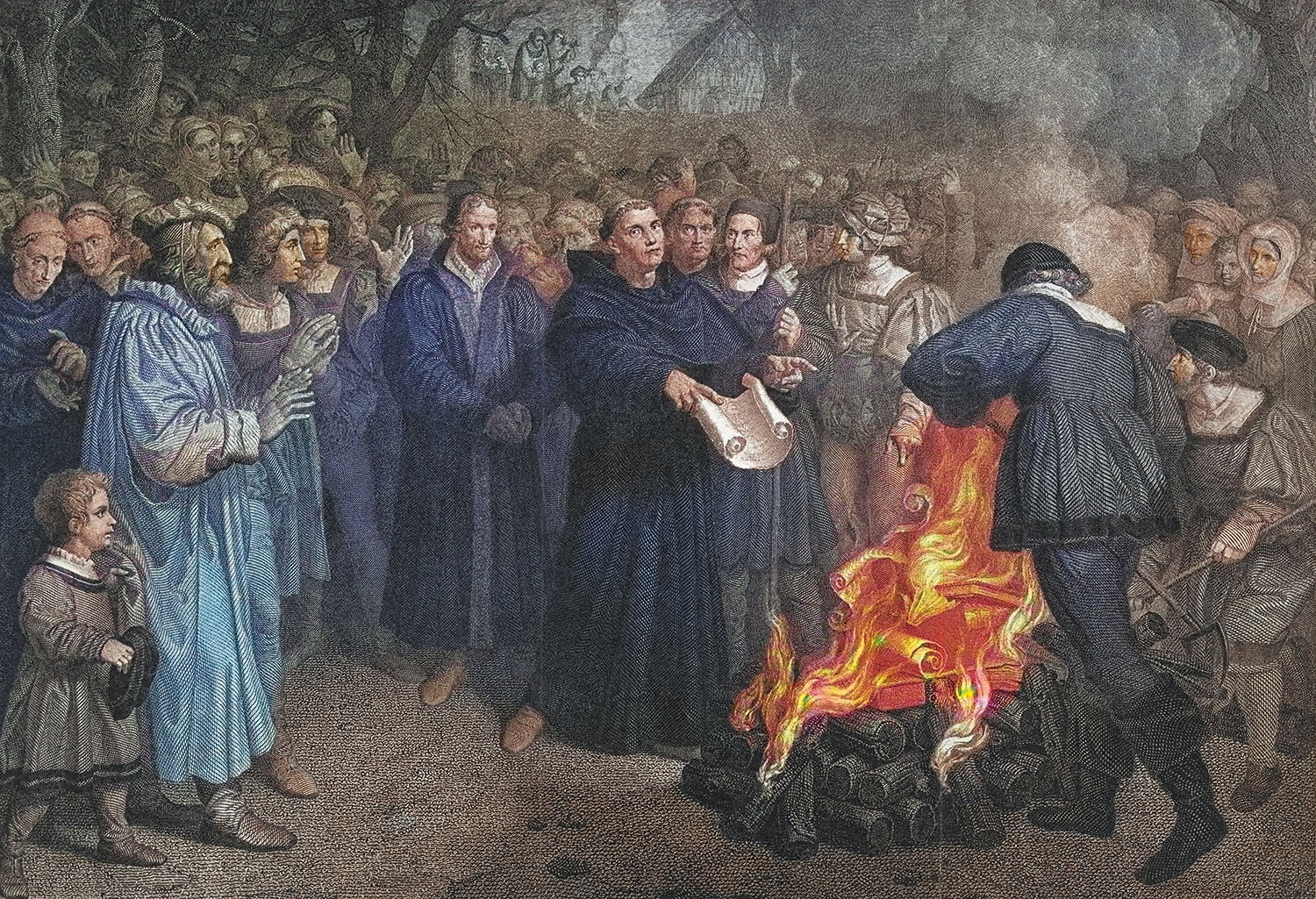
(Moment / Getty Images)
In 1847, Karl Marx wrote, “In our own day we are approaching an era of revolution analogous to that of the sixteenth century.” Three years later, in 1850, Friedrich Engels would address the failures of the 1848 revolutions by writing a pamphlet about the peasant war in Germany — the high point of class struggle in the Reformation era. The movements for religious reform that convulsed Europe in the 1500s had an enormous influence on the founders of scientific socialism.
There appears to be something incongruous in the fixation. They were both members of a generation of socialists still reeling, with the rest of society, from the French Revolution. Those events had birthed the modern world, and its republican ideals and insurrectionary heroism continued to be an inspiration for socialists. Why reach back to a movement of Bible scholars still bearing the mark of the medieval epoch?
The Criticism of Religion
Marx and Engels were, of course, concerned with German events and searching for national analogies and traditions. But their concentration on 1517 and 1524 has a greater relevance. For Marx, “the criticism of religion is the prerequisite of all criticism,” and criticism of religion begins in earnest with Martin Luther’s assault on Catholic theology.