Tran Đuc Thao Was Vietnam’s Great Marxist Philosopher
The Vietnamese philosopher Tran Duc Thao brought Marxism and existentialism together and developed an innovative Marxist theory of language. But Thao’s heterodox approach often set him at odds with the postrevolutionary state that ruled his native country.
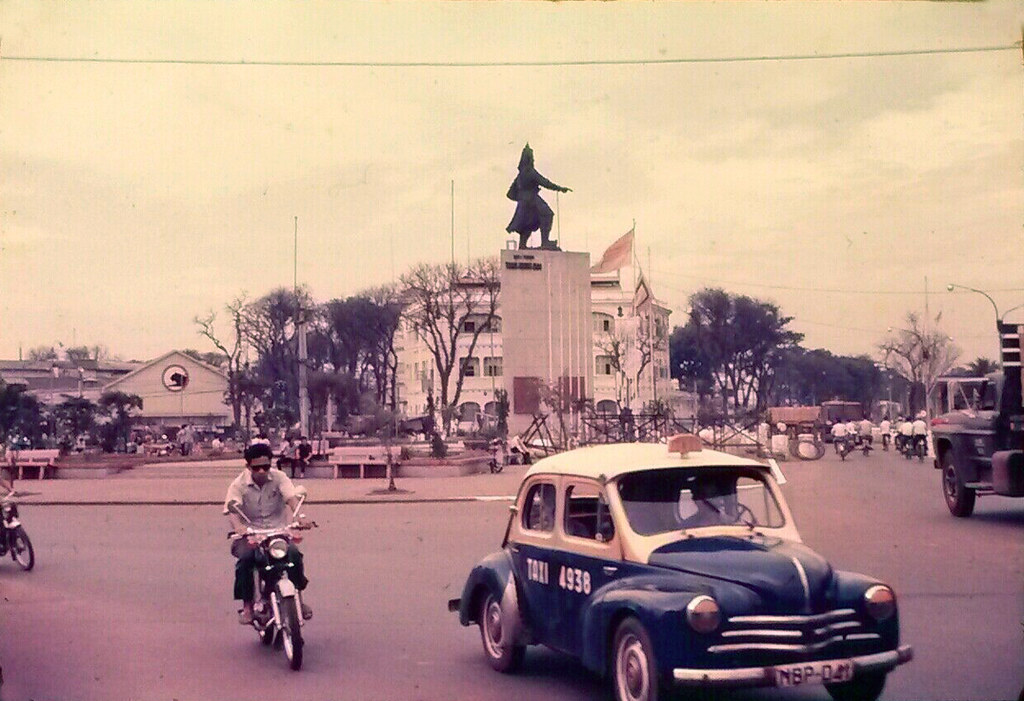
Saigon, Vietnam, in the 1960s. (manhhai / Flickr)
Few people today remember the name of Vietnamese philosopher Trần Đức Thảo (1917–93). He stands at the crossroads of too many opposing positions for anyone to want to “claim” him as their own.
Too Marxist for the phenomenologists, he was also too much of a phenomenologist for the Marxists. His Marxism was never orthodox enough for the Stalinists, but far too orthodox for the left-wing opponents of Stalinism. Too militant for academic philosophers, he is on the other hand too much of a philosopher for political militants.
Yet this complexity is what makes him interesting. The story of Trần Đức Thảo expresses many of the tensions and contradictions of the twentieth century around colonialism and independence, the role of intellectuals in both capitalist and communist countries, Marxism and its relationship to other currents of thought, the struggles of the Cold War, and the history of Asian communism.