C. L. R. James Showed Us How to Write About the Social History of Sports
Beyond a Boundary turned 60 this year. The classic book by C. L. R. James used cricket as a window into the history of the West Indies as its people liberated themselves from British colonial rule, defying racism to find their place in the world as equals.
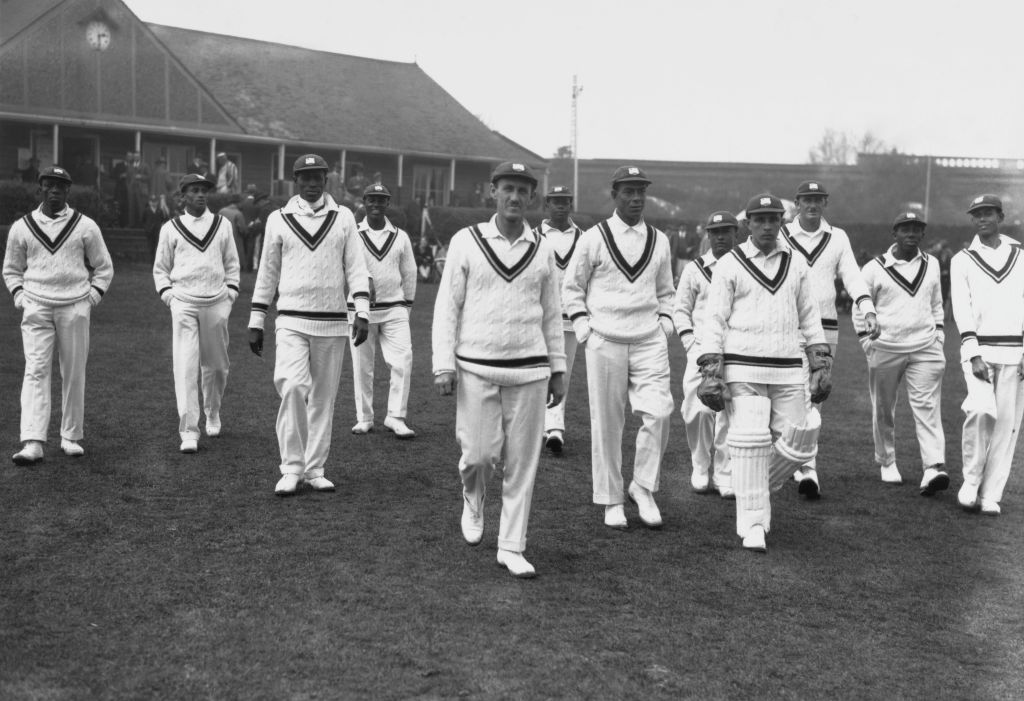
The West Indies Cricket Team takes to the field in London, England, 1928. (Central Press / Hulton Archive via Getty Images)
C. L. R. James took Marxism into new territory, not once but twice, with two classic works. The Black Jacobins, published in 1938, was an exhilarating account of the revolt against slavery in Haiti that pointed toward the anti-colonial movements of the postwar period. James himself helped nurture those movements through his political activism and connections with men like George Padmore and Kwame Nkrumah.
Twenty-five years later, James published a very different kind of book. Beyond a Boundary tackled the relationship between cricket and West Indian society and laid down a marker for Marxist writing about sport. Six decades after its first publication, Beyond a Boundary is still a brilliant model for how to write about popular culture.
More Than a Game
Marxist critics before James tended to focus on cultural forms like art and literature. He had made his own contribution to that body of writing with a study of Herman Melville. Why did he now opt to write about cricket?