In the Silicon Valley Bank Bailout, Federal Regulators Stiffed Low-Income Communities
Federal regulators bailed out Silicon Valley Bank after its historic collapse. But they offered no such rescue to the low-income communities to which the bank had pledged an $11 billion community benefits agreement.
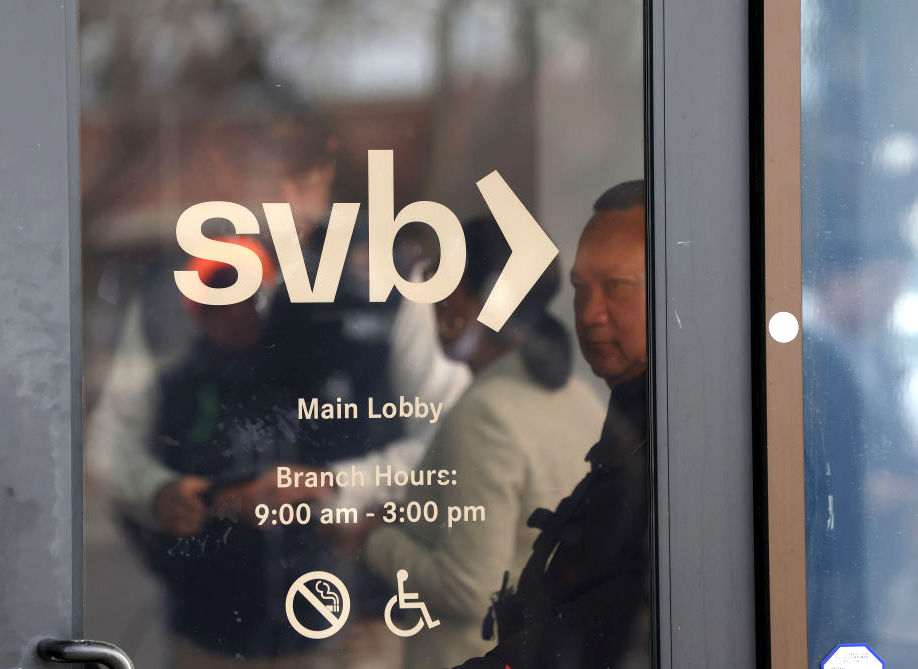
Silicon Valley Bank in Santa Clara, California, days after the bank collapsed. (Justin Sullivan / Getty Images)
When federal banking regulators bailed out Silicon Valley Bank’s wealthy depositors and gave its new owner a $17 billion discount, it turns out they offered no such rescue to another group impacted by the bank’s historic collapse: low-income communities to whom it had promised billions in lending.
Banking regulators told the Lever this week that “these pledges ended with the failure of the bank,” evaporating an expected source of affordable mortgage and small-business loans in California. The move could leave thousands of planned Bay Area affordable housing units in jeopardy at a time when a quarter of area residents are struggling to afford basic necessities and halt a $10 million program to increase homeownership in communities of color.
Those pledges were made as part of an $11 billion community benefits agreement signed by Silicon Valley Bank (SVB) ahead of a major merger in 2021. Progressive lawmakers and financial reform groups had urged regulators to preserve the agreement as a condition of SVB’s sale to First Citizens Bank & Trust Company, but no such terms were included in the deal they ultimately struck.