She Said Misses an Opportunity to Expose Harvey Weinstein’s Elite Enablers
She Said, the new film about the exposure of Harvey Weinstein, keeps its focus on the disgraced movie producer and poster villain for #MeToo — but misses a chance to expose the “girl bosses” who protected him for years.
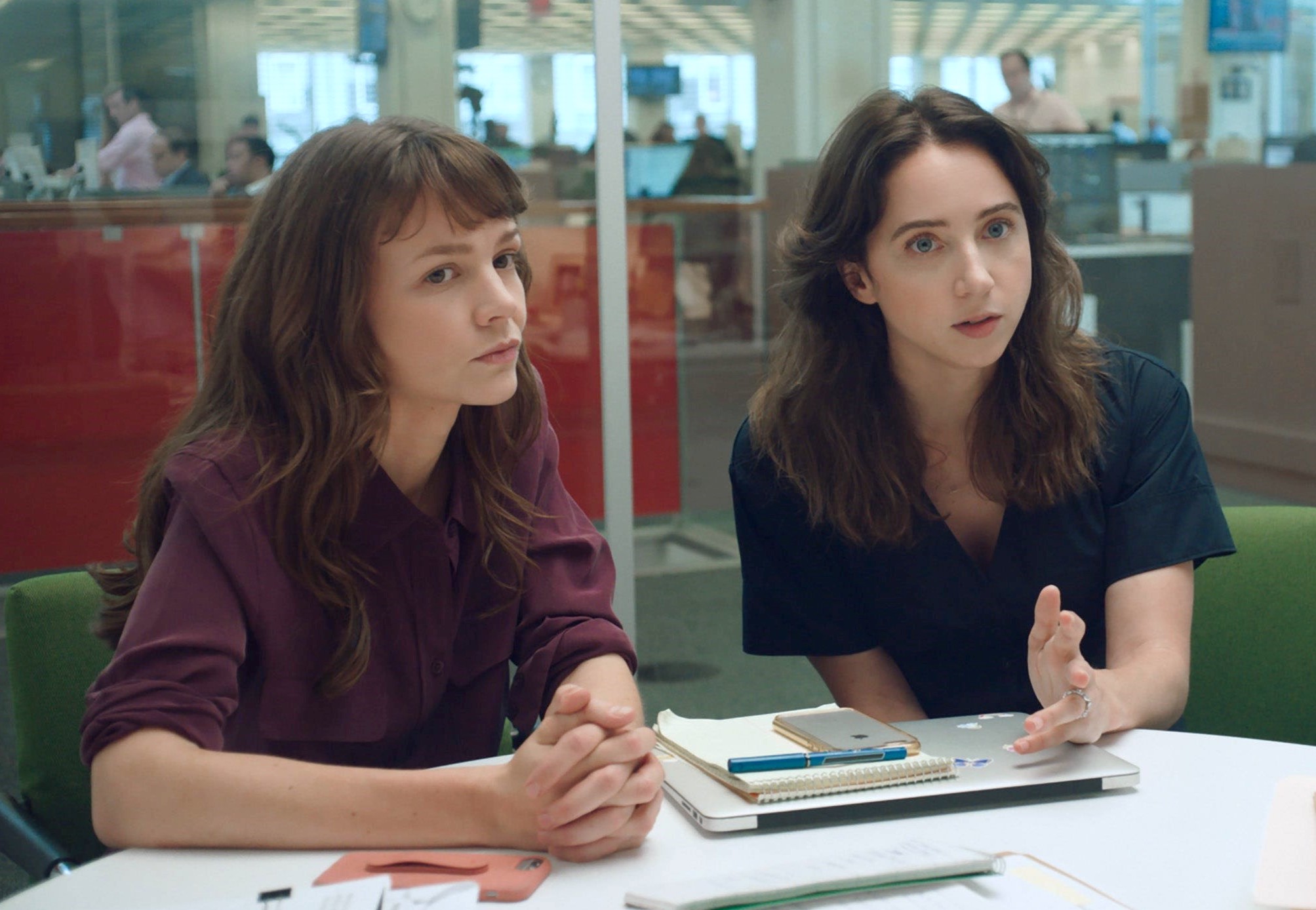
Still from She Said. (Universal Pictures)
Maria Schrader’s She Said, a feature film based on a book by New York Times reporters Jodi Kantor (Zoe Kazan) and Megan Twohey (Carey Mulligan), about their 2017 investigation that helped bring down Harvey Weinstein, is a decent, at times even inspiring, movie about women journalists helping workers to expose a horrible, exploitive, and very powerful boss. Weinstein, the disgraced megaproducer accused of either harassment or assault by some seventy women, reached millions of dollars’ worth of settlements with more than thirty of them after exposés by the Times, as well as the New Yorker. He has come to symbolize the worst of male boss behavior and is now serving prison time for rape.
While public curiosity naturally centered on the famous actresses accusing Weinstein of sexual assault and harassment — including Ashley Judd, Gwyneth Paltrow, and Rose McGowan — the movie commendably gives more attention to the unfamous and powerless assistants who suffered under Weinstein. It also conveys the structural powerlessness many women experienced: although he was, as a sexual predator, exceptionally brazen and ruthless, Weinstein was also like many American bosses in that he ran his workplace as an absolute dictatorship, with workers terrified to defy him.
That said, She Said has some blind spots typical of liberal entertainment media: a lionization of mainstream journalism and, more seriously, a failure to reckon fully with how deeply girl-boss feminism is implicated in the Weinstein story.