Queen Elizabeth II’s Ghosts
In between smiling, waving, and running up a $400 million annual bill, the late Queen Elizabeth II was the face of some pretty bad stuff during her seven-decade reign.
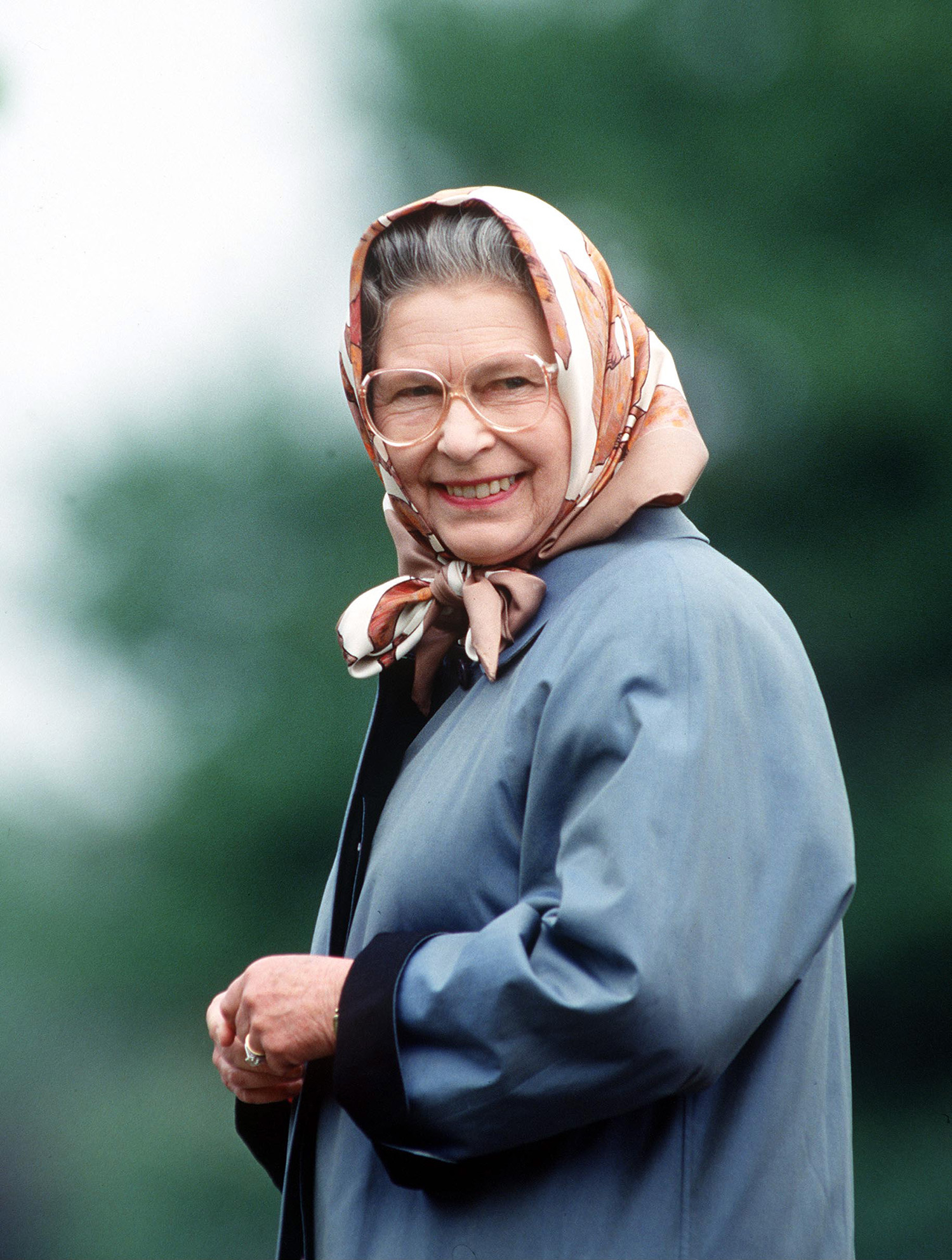
The Queen In Windsor Great Park, 1991. (Tim Graham Photo Library via Getty Images)
- Mau Mau Rebellion
When the Kikuyu, Meru, Embu, Kamba, and Maasai people rose up in armed rebellion against British rule in Kenya in the 1950s, British colonial forces responded by imposing a state of emergency, during which they implemented major agrarian reform, resettled thousands of Mau Mau fighters and sympathizers in rural villages, and detained countless others in vicious forced labor camps. As many as 25,000 Kenyans died during the eight years of uprising — though the insurgency set the stage for Kenyan independence in 1963. In 2013, the British government issued a formal apology to the Mau Mau rebels and agreed to a £20 million settlement with 5,228 living survivors — coming out to less than £4,000 each.
- Bloody Sunday
On January 30, 1972, British troops commanded by Lt Col Derek Wilford opened fire on a group of mostly Catholic civilians marching in protest of the practice of internment without trial, enacted by the British Army against those suspected of involvement in the Irish Republican Army. Fourteen died — most under the age of 20 — and more than a dozen others were injured. Subsequent inquiries found that, despite the army’s assertion that those killed were gunmen and bomb throwers, none “pos[ed] a threat of causing death or serious injury.” Queen Elizabeth nonetheless bestowed upon Wilford, who disobeyed his own superiors to initiate the events, an Order of the British Empire.
- Cyprus Emergency
As in Malaysia, the Cypriot drive for independence, helmed by the right-wing paramilitary group National Organization of Cyprus Fighters, was met by resistance from the British Army. During the four years of fighting that ensued before Cyprus won independence in 1960, UK forces killed 90 in combat and brutally tortured at least 14 men between the ages of 17 and 37 to death in prison. In 2019, the British government paid £1 million to a further 33 survivors of torture, including a woman who was raped by multiple British soldiers at 16 and a man who lost a kidney to British interrogation tactics.