How Indigenous Taiwanese Are Fighting Corporate Domination
Taiwan’s indigenous people have long been subject to mistreatment by companies seeking to extract resources from their land and integrate Taiwan into the world capitalist system. Now their resistance takes a new form: an organized political assembly.
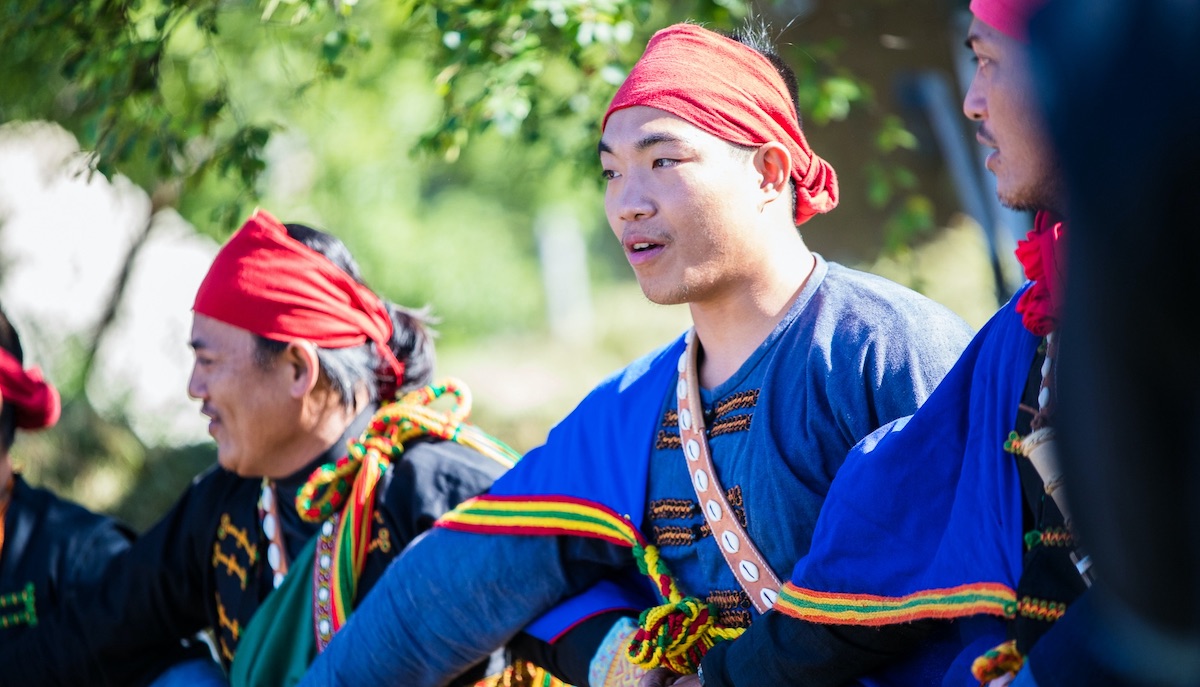
Activists from the Paiwan people of Taiwan have organized a national assembly. (Riddu Riddu / Flickr)
Indigenous people in Taiwan have long been unable to define themselves. Qing Dynasty officials called them fan, barbarians outside of their civilization. When the Republic of China government decamped to Taiwan, it used the patronizing “mountain compatriots.” Only on August 1, 1994, the official designation was changed to the neutral “indigenous.”
August 1 now marks Indigenous Peoples’ Day in Taiwan, commemorating not only the new designation but also a shift in the government’s approach to indigenous people. Whereas before the goal was assimilation, it would now be cooperation.
On this year’s Indigenous Peoples’ Day, while the country’s major leaders were dining with indigenous elites in Taipei’s Grand Hotel, hundreds of community heads, youth organizers, and activists from the Paiwan indigenous people assembled on the southern edge of the island. There they announced a new effort: the Paiwan National Assembly. Not content with token representation, the group will pursue concerted political action.