Percy Bysshe Shelley Belongs to Us, the Many
Karl Marx, Jeremy Corbyn, 19th-century Chartists, and 20th-century ILGWU strikers agree that the Left should read Percy Bysshe Shelley. Following the 200th anniversary of his death, we look at the great Romantic who brought poetry to the class struggle.
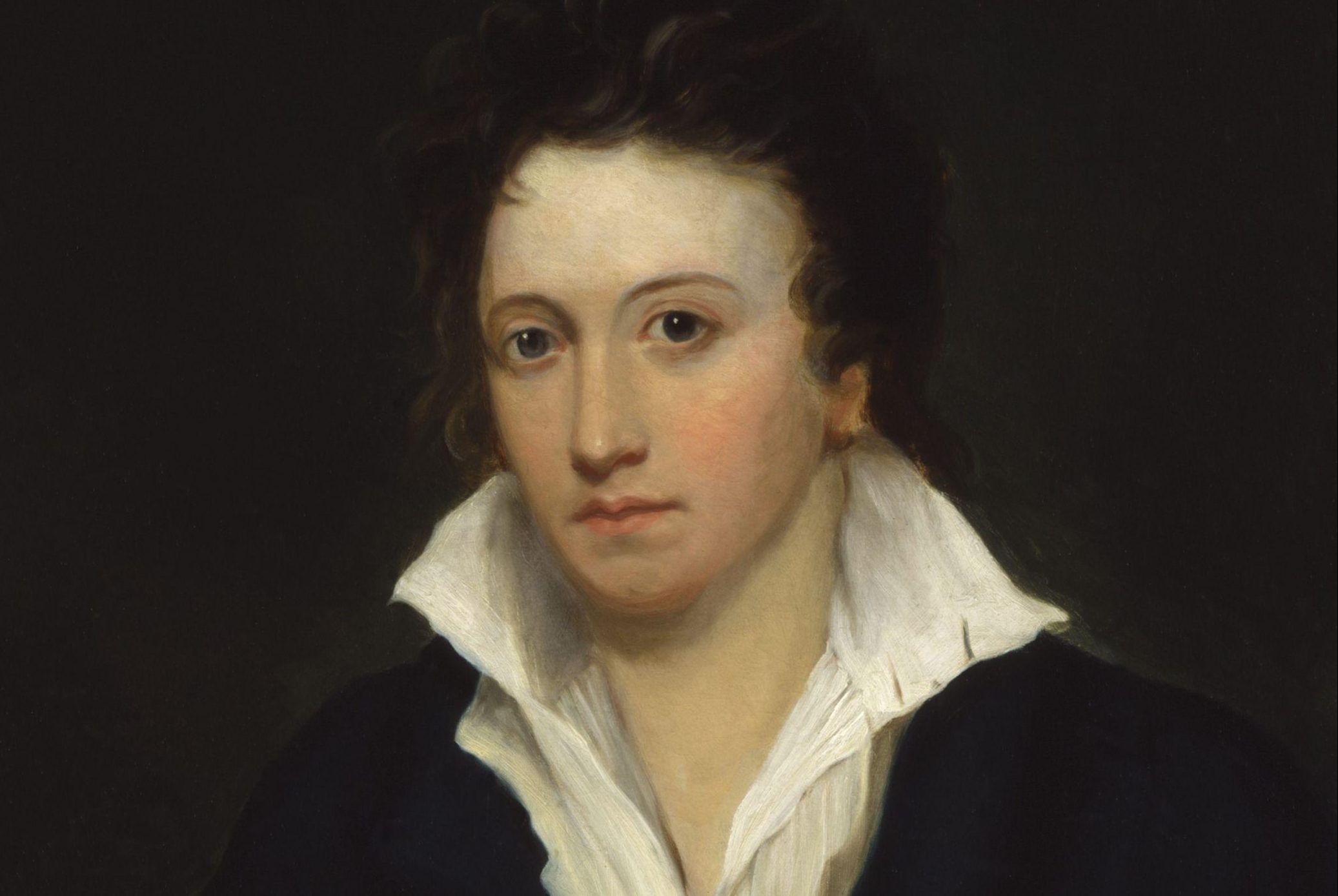
An 1819 portrait of Percy Bysshe Shelley by Alfred Clint.
In April of 1888, Eleanor Marx and Edward Aveling prepared a speech establishing one of the nineteenth century’s greatest writers as a socialist and identifying his work as a weapon of class struggle. Their subject was Percy Bysshe Shelley, and their audience the Shelley Society — an organization of the poet’s most active and prominent admirers, which had begun to confront the topic of Shelley’s political allegiances and their expression in his work.
Marx and Aveling wrote in response to a fellow member who viewed Shelley’s popularity with working-class readers as an opportunistic offense to the poet’s artistic project — and a threat to the entire craft of poetry. “I think the greatness of his writings,” A. G. Ross had claimed before the society a year earlier, “affords a rough measure of his inability to manage the world’s affairs.” Ross intended to rescue Shelley’s poetry from the “socialism of the streets,” whose tawdry aims of social reform he considered at odds with the demands of the poetic form. Reducing Shelley’s poetry to a blunt instrument of political messaging, he argued, would prevent the appreciation of that poetry on its own terms.
Two hundred years have passed since Shelley’s death at the age of twenty-nine, and in those years, Ross’s worst fears have been realized. Shelley’s verse has filled activists’ pamphlets and speeches, from the Chartist movement of nineteenth-century England to the Triangle Shirtwaist Factory strike of 1909 New York and beyond. To express the brutality of tyranny, the imperative of popular resistance, and the material conditions of freedom, two centuries’ worth of working-class organizers have found greatness in Shelley’s writings, and in turn, they have used these writings to shape the world’s affairs.