How Frantz Fanon Was Transformed by the Algerian Revolution
There was nothing abstract about Frantz Fanon’s political vision for the Global South: it was forged in the Algerian liberation struggle. Fanon’s role in that struggle convinced him that national independence would be hollow without social revolution.
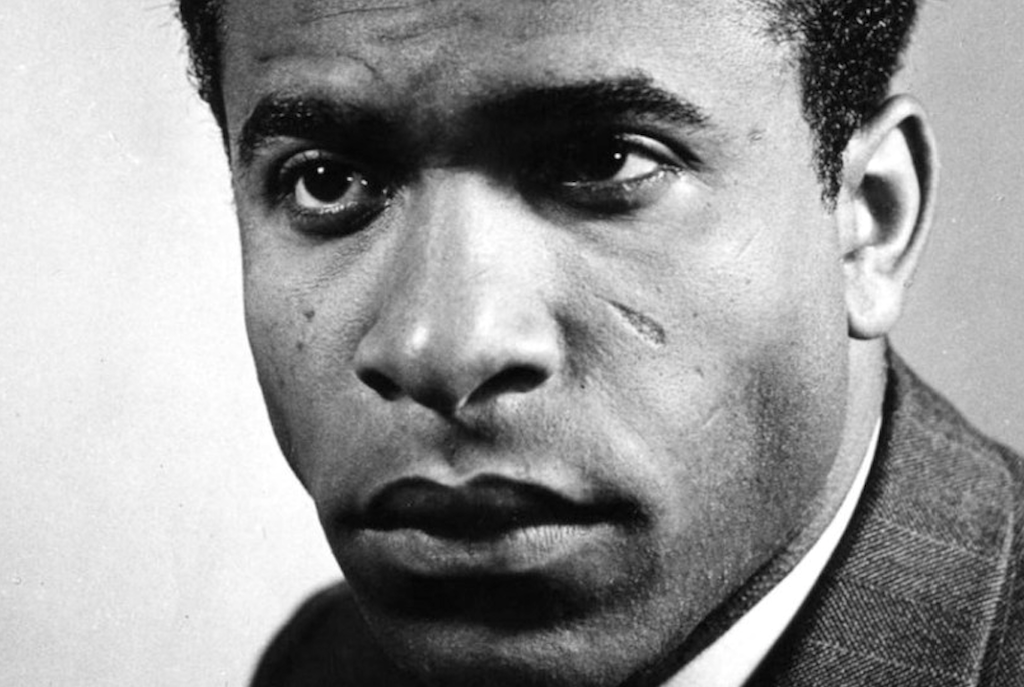
Frantz Fanon was a supporter of Algerian independence from France and the author of The Wretched of the Earth. (Photo via Verso Books)
The sixtieth anniversary of Frantz Fanon’s death on December 5 last year has prompted a number of reconsiderations of his legacy. Several focused on what Fanon called his “testament”: his pathbreaking evaluation of the African revolutions in The Wretched of the Earth, completed only weeks before his death from leukemia at the age of thirty-six.
Although many hailed The Wretched of the Earth at the time of its publication as a “bible of Third World revolution,” the book only makes passing reference to developments in Asia, the Middle East, and Latin America, and does not attempt to provide an exhaustive analysis of the many African liberation movements that were active at the time. Its focal point is rather a detailed mediation on the Algerian revolution, in which its author had directly participated since shortly after his arrival in Algiers in 1953.
The Algerian Fulcrum
Fanon had good reason to see the Algerian revolution as the fulcrum and vanguard of the wider African revolutions. While French and British imperialism were willing to concede political independence to some of their African colonies by the late 1950s, matters were very different in Algeria. The country contained a large percentage of European settlers with close ties to France, and virtually every major French political tendency opposed its independence — including the Socialist and Communist Parties. Paris mobilized tens of thousands of troops into a bid to suppress the revolution. This bloody counterinsurgent war killed close to a million people.