The Radical Printmaking of Käthe Kollwitz
Käthe Kollwitz was a radical printmaker with deep political commitments. From the last days of the German Empire until the end of the Third Reich, she gave visual expression to workers’ rebellion and loss, never losing hope in the socialist world to come.
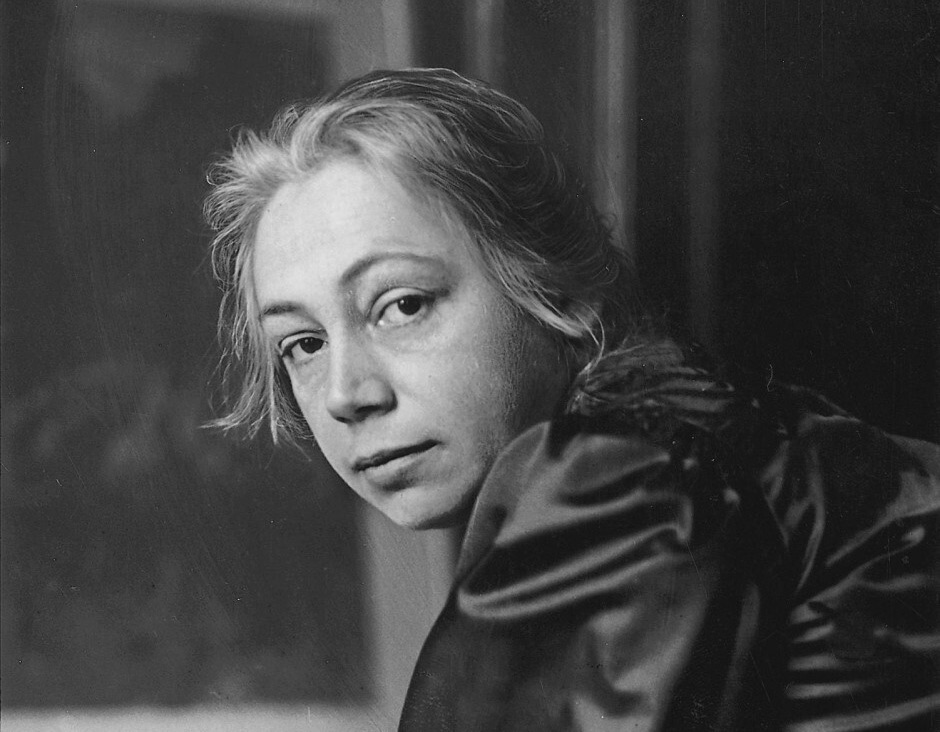
Käthe Kollwitz photographed c. 1906 by Philipp Kester. (Wikimedia Commons)
In our times, expressionism is often conflated with the movement that succeeded it in the United States — abstract expressionism. Mid-century painters like Jackson Pollock and Mark Rothko blurred away all traces of realism in a highly expressive, and individualistic, mode of painting that aligned with US propaganda during the Cold War. Decades before drip painting and the Seagram murals hit the American art world, expressionist artists in Europe were concerned with a figurative style capable of responding to war and economic hardship at the turn of the twentieth century.
Among the most prominent of these artists was Käthe Kollwitz (1867–1945). Coming of age amid rapid industrialization in Germany, Kollwitz worked across painting, sculpture, and printmaking, helping to give expressionism its radical consciousness.
In lithographs, etchings, and woodcuts, Kollwitz portrayed scenes of poverty and class warfare, devoid of color, using only line and shadow. As a propagandist and educator, she worked with socialist organizations to criticize inequality and oppression under the German Empire, Weimar Republic, and Third Reich. Her monochromatic designs, which appeared on posters and pamphlets, revived an aesthetic form of protest developed during the German Peasants’ War. That she herself produced an iconic print cycle on the sixteenth-century uprising speaks to her sustaining the old cause with the old tools.