When Social Democracy Was Vibrant
The German Social Democrats built a world of cultural institutions that improved workers' immediate lives — while organizing for a socialist future.
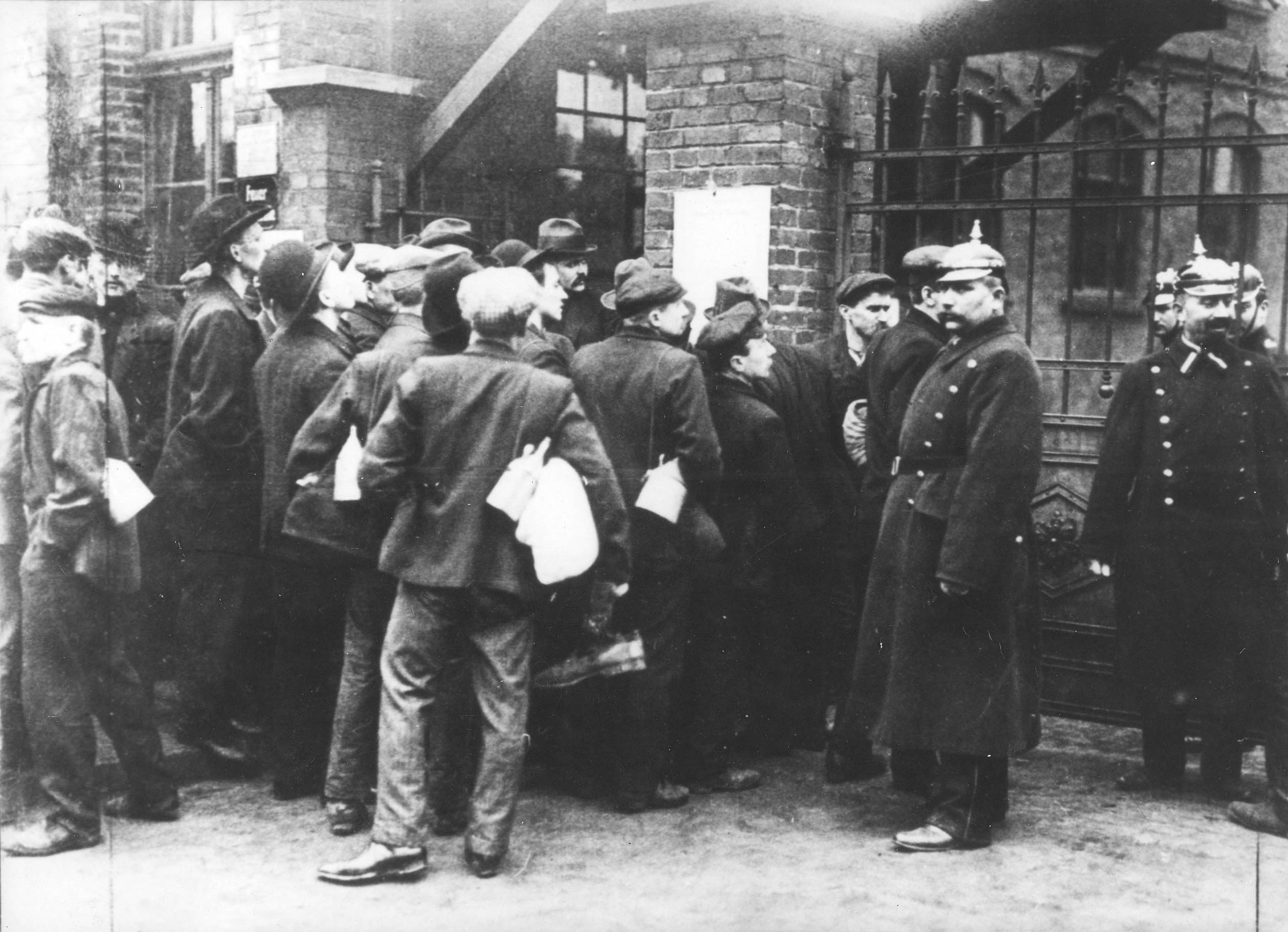
Workers during a miners strike in Germany in 1905.
On May Day 1891, over 1,200 members of the German Social Democratic Party (SPD) assembled in Berlin’s Ostend Theatre to perform an allegorical production entitled “Through Struggle to Freedom.” Afterwards, the crowd swelled to eight thousand as workers and their families partook in a waldfest (forest celebration), featuring music and satirical puppet shows. The night concluded with fireworks and songs.
That year’s May Day festivities were no aberration. Far from a staid, wooden affair, life in the SPD was a lively, vibrant expression of the party’s values. Social Democrats formed gymnastics associations and cycling clubs, choir societies and chess clubs. They organized youth activities, opened grocery stores, and offered funeral arrangements. They set up libraries and newspapers, and organized lectures. This comprehensive lifeworld represented an attempt to construct solidarity and community in the here and now, enriching workers’ lives as they collectively built a movement for a better world.
Wellness and culture, the Social Democrats insisted, were not bourgeois indulgences. Nor were they distractions from the class struggle. They were essential to shoring up the strength and capacities of workers dehumanized and dispossessed by capitalism.